Lawn
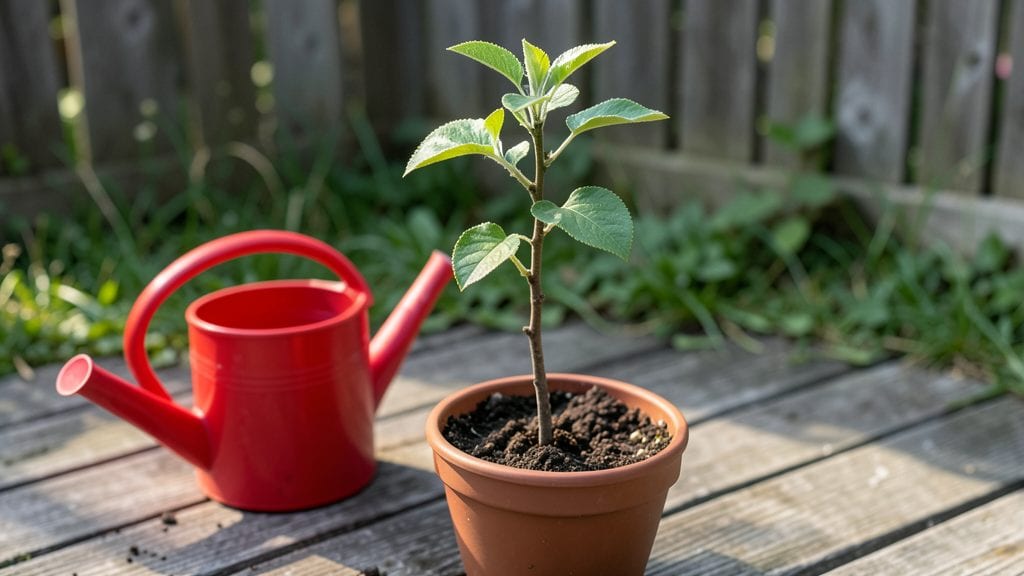
The speedy apple seed growth of a bushy young tree in just a few months is tempting—though the fruit won’t match store-bought varieties.
I’ve grown three from seeds in my backyard, and the secret isn’t patience (it’s not fast) but knowing exactly how to break dormancy and coax those stubborn little seeds to sprout.
The trick starts with fresh seeds from a ripe apple—none of that grocery store fruit. After a quick cold stratification (just 6-8 weeks in the fridge), you’ll see those first pale green shoots in 2-4 weeks.
The soil mix matters too: equal parts peat moss and perlite keeps roots from rotting while they’re still tiny. Most people rush this step, but taking it slow here means stronger roots later.
By month three, you’ll have a sturdy 12-inch sapling ready for its first outdoor transplant. It’ll grow 6-12 inches per year at first, with thicker stems and more branches than nursery trees of the same age.
The trade-off? Homestead apples take 5-7 years to fruit, but the tree itself becomes a shade-giving workhorse long before that.
Fair warning: these trees won’t produce the same fruit as their parents, but the thrill of watching a seedling you nurtured grow into a 15-foot tree makes up for it. Here’s how to skip the common pitfalls and end up with a sturdy young tree by next spring.
📚 In This Guide
- What you need
- Instructions
- Tips and common mistakes
- Wrapping up and next steps
What you need
- ● Apple seeds: 10–20 fresh, viable seeds (harvested from organic apples, not store-bought).
- ● Paper towels or dampened coffee filters: 2–3 sheets (for stratification).
- ● Plastic zip-top bags: 1–2 (to create a humid environment).
- ● Small pots or seed trays: 4–6 (3–4 inches deep, with drainage holes).
- ● Potting mix: 2–3 cups of well-draining, seed-starting mix (or a 50/50 blend of peat moss and perlite).
- ● Spray bottle: 1 (for gentle watering).
- ● Clear plastic wrap or dome: 1 (to retain moisture during germination).
- ● Refrigerator (for stratification): A cool, dark space (like the crisper drawer).
- ○ Heating mat (optional): 1 (to speed up germination, set to 70–75°F).
- ● Grow lights or sunny windowsill: Access to 6+ hours of indirect light daily.
- ● Fertilizer (balanced, water-soluble): 1 small bottle (for seedlings after sprouting).
- ● Labels & markers: To track seed varieties and planting dates.
- ● Garden twine or stakes: For supporting taller seedlings later.
Step-by-step instructions for growing apple trees from seed
Here’s how to turn apple seeds into sturdy young trees in just a few months.
Harvest and Prepare the Seeds
Start with fresh apple seeds—remove them from the fruit immediately after eating and rinse off any pulp. Let them dry completely on a paper towel for 3-5 days in a warm, dry place. This prevents mold and ensures they’re ready for stratification, the key to breaking dormancy.
Once dry, place the seeds in a small container with a damp paper towel. Fold the towel to cover them completely and store in a sealed plastic bag. Keep this setup in your refrigerator for 60-90 days—this cold treatment mimics winter and triggers germination. Check weekly to ensure the towel stays moist but not soggy.
Stratify and Plant for Germination
After the cold treatment, remove the seeds from the refrigerator and let them sit at room temperature for 24 hours to adjust. Fill small pots (2-3 inches deep) with the 3 gallons of potting mix, leaving about ½ inch of space at the top. Plant each seed ½ inch deep, spacing them 1 inch apart in the pot.
Water gently until the soil is moist but not saturated—you’ll know it’s right when water runs out the drainage holes but doesn’t pool. Cover the pots with clear plastic wrap to retain humidity, and place them in a warm spot (65-75°F). Germination can take 2-4 weeks, so be patient. Remove the plastic wrap once sprouts appear to prevent mold.
Provide Light and Care for Seedlings
Move the pots to a bright, indirect light source as soon as sprouts emerge—south-facing windows or a grow light work best. Keep the soil consistently moist but never waterlogged; damp to the touch is ideal. Thin seedlings to the strongest 2-3 per pot once they reach 2 inches tall, snipping the others at the base with clean scissors.
Fertilize lightly with a balanced liquid fertilizer (10-10-10) diluted to half strength after 4 weeks. You’ll see new leaves emerge within 1-2 weeks—this is your signal that the roots are establishing. Avoid overwatering; yellowing leaves often mean too much moisture or poor drainage.
Transplant and Harden Off for Outdoor Growth
When seedlings reach 6-8 inches tall (usually 3-4 months after planting), transplant them into individual 5-gallon pots filled with fresh potting mix. Choose a spot with full sun (6+ hours daily) and well-draining soil. Water deeply after transplanting to settle the roots, then reduce watering slightly to let the soil dry out between waterings.
Hardening off begins 2 weeks before moving outdoors. Start by placing pots outside in partial shade for 1 hour daily, gradually increasing exposure over 10-14 days. Watch for wilting or leaf drop—this means they’re adjusting too quickly. Once they tolerate full sun without stress, they’re ready for permanent outdoor planting in spring or fall, depending on your climate.
Tips & tricks for fast apple seed germination
Growing apple trees from seed might seem slow, but these tricks will help you achieve strong, healthy seedlings in record time—without sacrificing quality.
Stratification Timing: The 60-90 days in the refrigerator is non-negotiable for breaking dormancy, but you can speed up the process slightly by using a cold stratification method in your fridge's crisper drawer, where temperatures stay consistently around 35-40°F. This mimics nature’s winter conditions more precisely. After the 24-hour room temperature adjustment, plant immediately to maintain momentum—delaying this step can reduce germination rates.
Moisture Management: Keeping the paper towel damp (not soggy) during the 60-90-day cold treatment is critical. Overly wet towels can lead to mold, while too-dry ones prevent germination. I like to use a spray bottle to mist the towel weekly, ensuring it’s just moist enough to feel damp when squeezed. This balance is key to avoiding both rot and failed sprouting.
Light Source Strategy: Once sprouts emerge, move pots to a bright, indirect light source immediately—south-facing windows or grow lights work best. If using natural light, rotate pots every few days to prevent lopsided growth. For faster growth, supplement with a grow light for 12-14 hours daily, especially in cloudy climates. This ensures seedlings get the energy they need to grow bushy and strong within months.
Thinning Technique: When thinning seedlings to the strongest 2-3 per pot, use clean scissors to snip at the base rather than pulling. This minimizes stress on the remaining plants and reduces the risk of disease. I also recommend thinning early—once they reach 2 inches tall—rather than waiting. This gives the chosen seedlings more space to develop robust root systems.
Pro Tips for Apple Seed Growth
- Growing apple trees from seed might seem slow, but these tricks will help you achieve strong, healthy seedlings in record time—without sacrificing quality.
- This mimics nature’s winter conditions more precisely.
- Moisture Management: Keeping the paper towel damp (not soggy) during the 60-90-day cold treatment is critical.
Frequently asked questions
Got questions about growing apple seeds into thriving trees? You’re not alone! Here are answers to the most common queries—from impatient gardeners to skeptics wondering if it’s even worth the effort.
How long does it take for apple seeds to germinate?
Apple seeds typically germinate in 3–6 weeks under ideal conditions (warmth, moisture, and darkness). Some varieties may take longer—up to 8 weeks. Pro tip: Soak seeds overnight before planting to speed things up!
Will an apple seed grow into a true apple tree?
Not always! Seeds from store-bought apples often grow into wild, unpredictable trees with different flavors and sizes. For consistent fruit, graft a known variety onto your seedling later.
Can I plant apple seeds directly outside in fall?
Yes! Plant seeds in late fall (after the first frost) for natural stratification. Cover lightly with soil and mulch to protect them over winter. They’ll germinate in spring when temperatures rise.
Why aren’t my apple seeds sprouting?
Common causes: dry soil, too much light (seeds need darkness), or old seeds. Try soaking them in warm water for 24 hours or chilling in a damp paper towel for 2 weeks.
What’s the fastest way to grow a bushy apple tree?
Use transplant shock prevention: Keep seedlings in pots until they’re 6+ inches tall, then harden off gradually. Prune early to encourage branching, and fertilize lightly with compost. Patience pays off—bushy growth takes 1–2 years!
Wrapping up and next steps
Growing apple trees from seeds may take patience, but the journey is absolutely rewarding! 🌱 With the right preparation—like selecting fresh seeds, providing proper moisture, and maintaining warmth—you can nurture a thriving sapling in just a few months.
Remember, even if not all seeds sprout, each attempt is a step toward a future orchard.
Now that you’re armed with these fast germination secrets, why not start your own mini orchard today? Grab those seeds, follow the steps, and watch your green thumb grow—literally! 🌿 Happy planting!