Propagation
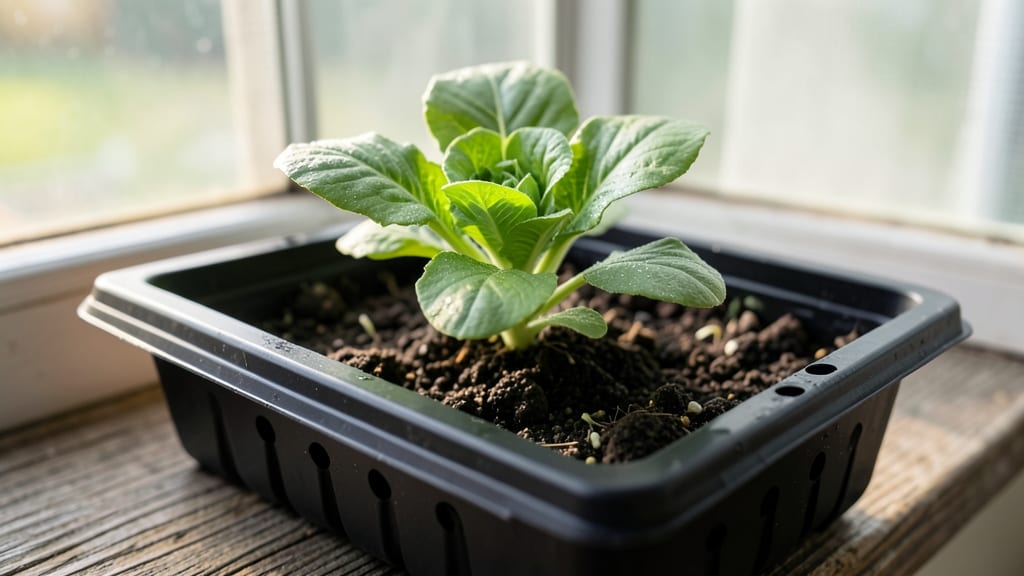
Knowing how to identify seeds is the first step to growing exactly what you want—no mystery packets or guesswork. 🌱 I’ve spent years sorting through seed collections, and the right identification method saves time, money, and frustration.
A single mislabeled seed can turn your dream garden into a patch of weeds or stunted plants.
The key lies in three simple clues: shape, size, and texture. Round seeds like beans or peas are easy, but irregular shapes—like the flat, winged seeds of maples or the spiky pods of okra—tell you everything you need to know.
Pair that with a quick germination test (soak a few in water overnight), and you’ll know if they’re still viable or just taking up space in your drawer.
Once you’ve got them sorted, planting becomes straightforward. Fast-germinating seeds like radishes or lettuce go in first, while slower starters like tomatoes or peppers wait their turn. The right soil mix—light and airy for tiny seeds, rich and crumbly for hearty ones—makes all the difference between success and disappointment.
This method works for heirlooms, hybrids, and even wild-collected seeds. Whether you’re reviving an old collection or starting fresh, identification turns gardening from a gamble into a science you can trust. Let’s get those seeds matched to their perfect growing conditions.
Seed Mix-Ups Explained
Misidentifying seeds can turn your gardening dreams into a frustrating guessing game—but why does it happen so often? The truth lies in a mix of natural traits, human error, and environmental factors. Let’s break down the real reasons behind seed confusion and how they play out in your hands.
Some seeds look almost identical because nature didn’t bother drawing clear lines. Take tomato vs. eggplant seeds, for example—both are nightshade family members with similarly shaped, flat, and slightly ribbed seeds.
Even experienced gardeners can swap them by accident. Why? - Evolutionary shortcuts: Plants that share ancestors (like squash and pumpkin) often inherit similar seed shapes, colors, or textures.
Think of it as botanical sibling rivalry—close enough to cause chaos. - Hybrid confusion: Many commercial seeds are hybrids (e.g., ‘Brandywine’ tomatoes crossed with ‘Cherokee Purple’), blending traits that make identification harder.
A seed from a hybrid plant might not grow true to type, leading to unexpected (and unrecognizable) seedlings. - Seed coat tricks: Some seeds, like morning glory vs. bindweed, have nearly identical glossy black coats.
Without a magnifying glass or key traits (e.g., seed size, shape), they’re easy to mix up.
Actionable fix: Study seed morphology charts (like those from the USDA or Kew Gardens) and note three distinguishing features for each type (e.g., length, color variations, surface texture).
Even the best-intentioned gardeners fall prey to label fade, misplaced bags, or repurposed containers. Here’s how it backfires: - Fading or lost labels: Sunlight, moisture, or time can turn a crisp "Heirloom Bean" label into an unreadable smudge.
A quick glance might make you think it’s "Lupine" instead. - Cross-contamination: Reusing seed packets for storage (e.g., saving tomato seeds in a bag originally labeled "Cucumber") is a recipe for disaster.
Seeds are tiny—one stray drop can ruin a batch. - Batch confusion: Buying seeds in bulk (e.g., from seed swaps or online auctions) often means no original packaging. Without a reference, seeds like dill vs. fennel (both feathery and flat) become indistinguishable.
Actionable fix:
- Photograph seeds before storing them (use a white background and natural light).
- Use a seed inventory spreadsheet with columns for: species, variety, harvest date, and storage location.
- Store seeds in airtight, labeled containers (mason jars with masking tape labels work great).
You might think you’ve planted basil seeds, but the first leaves look more like mint. Why?
Because cotyledons (seed leaves)—the first structures to emerge—can be deceiving. - False starts: Some seeds (like lettuce vs. spinach) have round, lobed cotyledons that look nearly identical until the true leaves appear (which can take 2–3 weeks). - Slow developers: Parsley and cilantro seeds germinate slowly and may produce lacy, fern-like leaves that resemble each other before their distinct aromas kick in. - Environmental delays: Cool soil or low light can stunt early growth, making seedlings look underdeveloped or malformed, leading to misidentification.
Actionable fix:
- Grow a "test batch" in small pots before committing to your garden bed.
- Use a seedling ID guide (like the Burpee Seedling Chart) to compare shapes and growth stages.
- Label seedlings immediately with toothpicks and masking tape—even if you’re not 100% sure!
If you’ve ever collected seeds from wild plants, neighbors’ gardens, or roadside weeds, you’ve likely encountered unwanted guests in your seed stash. - Volunteer seeds: Plants like dandelions or chickweed self-sow aggressively.
Their seeds might hitchhike into your tomato or pepper packets. - Bird or insect interference: Birds love sunflower and millet seeds—they’ll peck at them, mix them with their droppings, and leave you with a surprise batch of "unknown" seeds. - Local variations: A seed labeled "Zinnia" might behave differently in your climate, producing unexpected colors or growth habits that throw off identification.
Actionable fix:
- Source seeds from reputable suppliers (e.g., Baker Creek Heirloom Seeds, Johnny’s Selected Seeds).
- Clean wild-collected seeds by winnowing (blowing away chaff) and germinating a sample to test purity.
- Avoid "mystery seeds" from unverified sellers—what you think is "Poppy" might actually be opium poppy (Papaver somniferum), a controlled substance in some regions.
Sometimes, the problem isn’t the seeds—it’s you.
Here’s how: - Skipping the manual: Relying on memory or "it looks close enough" leads to swaps like okra vs. hyacinth bean (both have elongated, pointed seeds). - Rushing germination tests: Popping seeds into water to "check for viability" can damage their protective coatings, making them harder to ID later. - Ignoring size clues: A pea seed is smooth and round, while a lentil seed is flat and lens-shaped.
Overlooking these details can lead to big mistakes in the garden.
Actionable fix:
- Slow down: Spend 5–10 minutes comparing seeds to reference images before planting.
- Use a seed key: Tools like the Seed ID App let you upload photos for instant matches.
- Keep a "seed journal" with sketches or notes on unique traits (e.g., "Red clover seeds have a white ‘eye’ spot").
Fixing Seed ID Mistakes Quickly
Miscalculating seed types can turn your green thumb into a guessing game—but don’t worry! With the right tools and techniques, you can correctly identify seeds and avoid costly planting errors. Below, we break down common pitfalls and their practical fixes, plus prevention tips to keep your garden thriving.
Problem: Similar shapes or colors make seeds hard to distinguish (e.g., tomato vs. pepper, or wildflower vs. weed seeds). Fix:
- Use a seed ID guide (like the Seed Savers Exchange database or apps like PictureThis) to compare textures, sizes, and growth habits.
- Test a few seeds in a damp paper towel—some (like beans) sprout in 3–5 days, while others (like tomatoes) take weeks.
- Check seed packets for embedded images or descriptions—many brands include microscopic details (e.g., "net-like seed coat").
Prevention Tip: 💡 Label seeds immediately with masking tape and a marker before storing. Snap a photo of each packet for future reference!
Problem: Seeds sprout but look nothing like expected plants (e.g., a "sunflower" seedling that’s actually a dandelion). Fix:
- Compare seedlings to reference photos (use resources like Gardeners.com’s Seedling ID Guide).
- Examine leaf shape and arrangement:
- Alternate leaves (e.g., tomato, basil) vs. opposite leaves (e.g., mint, coleus).
- Pinnate veins (like in peas) vs. palmate veins (like in squash).
- Pull and replant if unsure—most seedlings recover from a gentle transplant.
Prevention Tip: ✨ Start with easy-to-ID seeds (like beans or marigolds) before tackling tricky varieties like nightshades (tomatoes, peppers, eggplants).
Problem: Old seeds or cross-contamination (e.g., saved seeds mixed with store-bought). Fix:
- Float test for viability:
- Fill a bowl with water, add seeds. Sinkers = viable; floaters = discard.
- Winnow by weight:
- Use a fine mesh sieve to separate chaff or smaller weed seeds from larger crop seeds.
- Germination test:
- Plant 5–10 seeds in peat pots. If >80% sprout uniformly, the batch is likely pure.
Prevention Tip: 🌡️ Store seeds in airtight containers with silica gel packets to prevent moisture damage and cross-pollination.
Problem: Seeds refuse to germinate—are they dead, dormant, or just picky? Fix:
- Scratch-test for hardness:
- Gently file a tiny section of the seed coat. If it’s thick and woody (e.g., maple or some legumes), soak in warm water for 24–48 hours before planting.
- Check moisture and temperature:
- Use a seedling heat mat (70–85°F) for slow starters like parsley or carrots.
- Bottom-water trays (place pots in a shallow tray of water) to avoid over-saturating soil.
- Try a "paper towel sandwich":
- Fold a damp paper towel around seeds in a ziplock bag. Check for sprouts in 3–7 days.
Prevention Tip: ⏰ Plant seeds at the right time—some (like peas) need cold stratification, while others (like cucumbers) hate it.
- Buy from reputable sellers: Seed companies like Baker Creek or High Mowing Organic provide detailed seed descriptions.
- Join gardening forums: Reddit’s r/Gardening or Facebook groups often share user-submitted ID photos.
- Invest in a loupe (magnifying glass): Seed features like hilum shape (the scar on the seed) can reveal species (e.g., kidney-shaped = bean family).
- Keep a seed journal: Note where each batch came from, its ID traits, and germination rates.
Final Thought: 🎯 The more you practice, the sharper your eye gets! Start with a few "easy" seeds, then gradually tackle trickier varieties. Soon, you’ll be identifying seeds like a pro—and your garden’s success rate will skyrocket.
Frequently asked questions
How can I tell the difference between similar-looking seeds like tomato and pepper?
Use a magnifying glass to check the hilum shape (the scar on the seed). Tomato seeds have a white, crescent-shaped hilum, while pepper seeds have a smaller, darker spot. Also compare size—tomato seeds are smaller (1/8 inch) than pepper seeds (1/4 inch).
What’s the best way to test if old seeds will still grow?
Try the paper towel test: Place seeds between damp paper towels in a sealed bag. Check for sprouts in 3-7 days. If 50%+ sprout, they’re viable. For hard seeds (like beans), soak them first to break dormancy.
Can I identify seeds just by looking at them, or do I need special tools?
You can start with just your eyes! Look for size, shape, and texture (e.g., smooth vs. ridged). For tricky cases, use a seed ID app or compare to reference charts. A hand lens (10x magnification) helps spot fine details like hilum patterns.
Why do some seeds sprout into plants that look completely different?
This happens with cross-pollinated seeds (like tomatoes) or hybrids that don’t grow true to type. Even "identical" seeds can vary due to environmental factors. Always test a few seeds in small pots before planting your whole batch.
How do I organize my seed collection to avoid mix-ups?
Use airtight containers (like mason jars) with clear labels including: seed name, variety, year, and germination date. Take photos of each type and store them in a digital album. Group seeds by family (e.g., nightshades, legumes) for easier comparison.