Pests
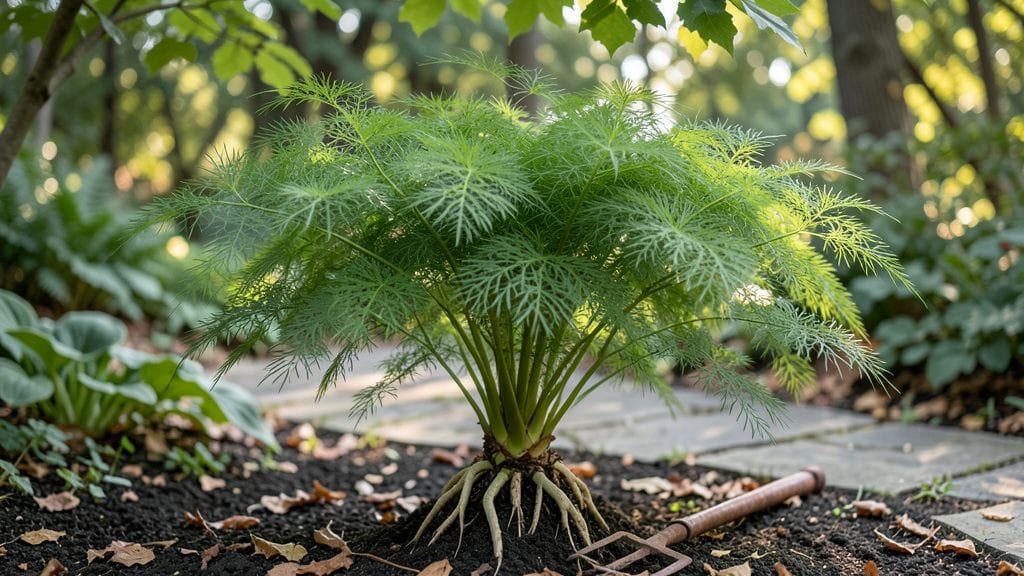
Asparagus seeding out means losing your crop to weeds before it even gets a chance to grow. 🌱 I’ve watched entire beds turn into a tangle of grass and clover because the seeds didn’t emerge strong enough to compete—and I’m here to change that for you.
The secret starts with preparation: loosen soil to 12 inches deep, mix in compost, and remove every weed by hand. Plant seeds just ½ inch deep, 6 inches apart, with rows 18 inches apart.
Thin seedlings to 6 inches apart once they’re 4 inches tall—this gives them room to fight back against weeds naturally. Overcrowding is the #1 mistake that lets seeding out happen.
By summer, you’ll have dense, weed-free asparagus crowns pushing through the soil, not fighting for space. The key is patience: asparagus takes 2-3 years to establish, but proper spacing now means bigger spears and fewer headaches later. Weeds won’t stand a chance.
This works for both direct-seeded asparagus and transplants. Whether you’re starting fresh or reviving an old bed, these steps keep your asparagus in control—and your harvests coming in strong for decades.
Root Causes Of Unwanted Spread
When your asparagus plants start seeding out uncontrollably, it’s rarely just bad luck—it’s usually a mix of biological triggers and garden management oversights. Understanding these root causes helps you take precise action to reclaim control.
Below, we break down the science behind why asparagus spreads beyond its intended borders, so you can address the problem at its source.
Asparagus crowns (the thick, woody base of the plant) naturally produce seeds as they age. But when crowns become overripe—often due to neglect or poor harvesting practices—they shift from producing spears to focusing on reproduction.
This is your asparagus’ way of saying, “I’m done growing food for you; now I’m growing seeds!”
Here’s why it happens:
- Delayed harvest timing: If you let spears grow too tall (over 8–10 inches), the plant interprets this as a signal to prioritize seed production over spear growth. The energy that could’ve gone into edible shoots is redirected to flowering.
- Crown stress from drought or heat: Environmental stress (like prolonged dry spells) forces the plant into survival mode, triggering early flowering and seeding.
- Older plants (5+ years): After a decade, asparagus crowns often voluntarily shift to seed production. This is normal biology—but it’s also why gardeners are encouraged to rotate beds every 10–15 years.
💡 Pro Tip: If your asparagus bed is past its prime, consider strategically thinning the oldest crowns to reduce seeding pressure. Focus on younger, more productive plants.
When asparagus plants are under attack—whether by insects, fungi, or viruses—they often abort spear production and ramp up seed output as a last-ditch survival strategy. Think of it like a stressed-out gardener: when things go wrong, the first instinct is to reproduce to ensure the next generation survives.
Common culprits include:
| Pest/Disease | How It Triggers Seeding | Signs to Watch For |
|---|---|---|
| Asparagus Beetles (Crioceris asparagi) | Beetles chew on spears and foliage, starving the plant. The crown responds by producing seeds to propagate the species. | Holes in spears, black/red beetles, yellow eggs on stems. |
| Rust Fungus (Puccinia asparagi) | Fungal infections weaken the plant, diverting energy to seed production. Rust thrives in damp conditions, accelerating the process. | Orange pustules on fronds, stunted growth. |
| Root Rot (Phytophthora or Fusarium) | Rot disrupts nutrient uptake, forcing the plant into reproductive mode. Waterlogged soil worsens the issue. | Mushy, discolored roots, wilting fronds. |
| Crown Borers (Phyllophaga larvae) | Larvae tunnel into crowns, damaging the plant’s core. The crown “gives up” on spears and focuses on seeds. | Hollow stems, sawdust-like frass near roots. |
🔥 Action Step: If pests or disease are the issue, treat the problem first (e.g., neem oil for beetles, copper fungicide for rust). Once the plant is healthy, seeding will often slow down.
Sometimes, the problem isn’t biological—it’s you. Asparagus is a perennial with specific needs, and ignoring them can trigger seeding as a stress response. Here’s how common gardening mistakes backfire:
- Over-fertilizing with nitrogen: Too much nitrogen (especially late in the season) promotes leafy growth over spears, but it can also delay maturity, causing the plant to “panic” and seed prematurely.
- Inconsistent watering: Asparagus needs 1–1.5 inches of water weekly. Drought stress or sudden soaking triggers reproductive modes. A drip irrigation system on a timer solves this.
- Competing weeds or overcrowding: Weeds steal nutrients and moisture, stressing the crown. Overcrowded asparagus beds (plants closer than 12–18 inches apart) also force competition, leading to seeding.
- Harvesting too aggressively: Cutting all spears in a season (especially in early years) weakens the crown. The plant may respond by producing seeds to “escape” the harsh treatment.
🎯 Fix It: Audit your asparagus bed for these red flags. For example, if your soil test shows excess nitrogen, switch to a balanced 5-10-10 fertilizer in fall to reset growth patterns.
Asparagus is sensitive to day length and temperature shifts. When these conditions change abruptly, the plant may interpret it as a signal to reproduce before winter. Here’s how it plays out:
- Longer daylight hours: Asparagus is a short-day plant, meaning it flowers when daylight exceeds 12–14 hours. In northern climates, this happens in late spring/early summer.
- Heatwaves or early frost: Sudden temperature swings (e.g., a 90°F day followed by 50°F nights) shock the plant into seeding mode.
- Poor soil drainage: Waterlogged conditions in spring can delay spear emergence, tricking the plant into thinking it’s time to seed.
🌡️ Climate Hack: In hot climates, provide afternoon shade (via shade cloth) to mimic cooler conditions and delay flowering. In cold climates, mulch heavily in fall to protect roots and reduce stress.
Fixing Overrun Asparagus Beds
When your asparagus crowns are seeding out of control, the good news is that you can reclaim your garden with the right approach. Below are practical, step-by-step solutions tailored to the most common causes—plus prevention tips to keep your beds thriving for years.
Cause: Unchecked self-seeding spreads asparagus into unwanted areas. Fix:
- 👨🍳 Pull by hand when seedlings are young (before they develop deep roots). Use gloves to avoid skin irritation from sap.
- 🔪 Dig deeper if seedlings are mature—grab the entire root system to prevent regrowth.
- 🗑️ Compost or discard seedlings (never return them to the garden bed).
Pro Tip: 💡 Mark your asparagus bed with landscape fabric or mulch to make spotting seedlings easier.
Cause: Overgrown crowns produce excessive ferns, leading to more seeds. Fix:
- ⏰ Time it right: After harvest (mid-summer), trim ferns back to 4–6 inches above the ground. This redirects energy to root growth instead of seed production.
- 🔪 Use clean shears to avoid spreading disease.
- 🌿 Leave trimmed ferns in the bed as mulch (they’ll decompose and fertilize the soil).
Pro Tip: ✨ Avoid cutting too late—waiting until fall can stress the crowns and encourage seeding.
Cause: Seeds need sunlight to sprout. Fix:
- 📦 Cover beds with cardboard or thick mulch (straw, wood chips) after harvest to smother emerging seedlings.
- 🌡️ For severe cases: Use black plastic mulch (remove in spring before new shoots appear).
- 🔄 Reapply mulch every few weeks if new seedlings pop up.
Pro Tip: 🎯 Combine with hand-pulling for best results—mulch slows growth, but you’ll still need to remove visible sprouts.
Cause: Overwatering or drought stress weakens crowns, prompting them to seed. Fix:
- 💧 Water deeply but infrequently—asparagus crowns rot in soggy soil but suffer in drought.
- 🌧️ Aim for 1–1.5 inches per week, including rain. Use a soaker hose to keep moisture even.
- 🚫 Avoid overhead watering (encourages fungal issues).
Pro Tip: 💡 Test soil moisture—stick your finger 2 inches deep; if dry, it’s time to water.
Cause: Nutrient-rich soil can trigger excessive fern and seed production. Fix:
- 🍽️ Use low-nitrogen fertilizer (like 5-10-10) in early spring to support roots, not foliage.
- 🥗 Avoid fresh manure or high-nitrogen amendments—they promote leafy (and seedy) growth.
- 🌿 Top-dress with compost in fall to improve soil health without overstimulating growth.
Pro Tip: 🔥 Balance is key—asparagus needs nutrients, but too much = more seeds!
To keep seeding in check year after year, follow this routine:
- 📅 First year: Harvest nothing—let ferns grow to build roots.
- 📅 Second year: Light harvest (3–4 weeks), then trim ferns back.
- 📅 Year 3+: Full harvest + aggressive seedling control (mulch + pull).
- 🌱 Rotate beds every 10–15 years to prevent soil depletion (which can stress crowns).
Pro Tip: 🌡️ Monitor soil pH—aim for 6.5–7.5. Test annually and amend with lime (to raise) or sulfur (to lower) if needed.
By tackling seedlings early, managing water and nutrients, and staying consistent with trimming, you’ll restore balance to your asparagus patch—and enjoy plump, pest-free spears for seasons to come!
Frequently asked questions
Why does my asparagus keep spreading when I don’t want it to?
Asparagus naturally produces seeds as it matures, especially when stressed by drought, poor harvest practices, or overcrowding. The plant shifts energy from spears to reproduction when crowns are overripe or under pressure. Regular thinning and proper spacing (12-18 inches apart) helps control this spread.
How do I stop asparagus seedlings from popping up everywhere?
Remove seedlings by hand when small (before they root deeply), then cover the bed with thick mulch or cardboard after harvest. For stubborn cases, use black plastic mulch in summer to block sunlight. Combine this with consistent watering (1-1.5 inches weekly) to reduce stress-induced seeding.
Can I still harvest spears if my asparagus is seeding out?
Yes, but focus on younger, healthier crowns first. Avoid harvesting from overripe plants (5+ years old) as they prioritize seed production. Cut spears to 8-10 inches tall to prevent flowering, and trim ferns back to 4-6 inches in summer to redirect energy to roots.
Will removing asparagus seedlings harm my established plants?
No, removing seedlings actually benefits your main crop by reducing competition for nutrients and space. Just be careful not to disturb the crowns of mature plants. Use a garden fork to lift seedlings gently, and always pull from the base to prevent regrowth.