Pruning
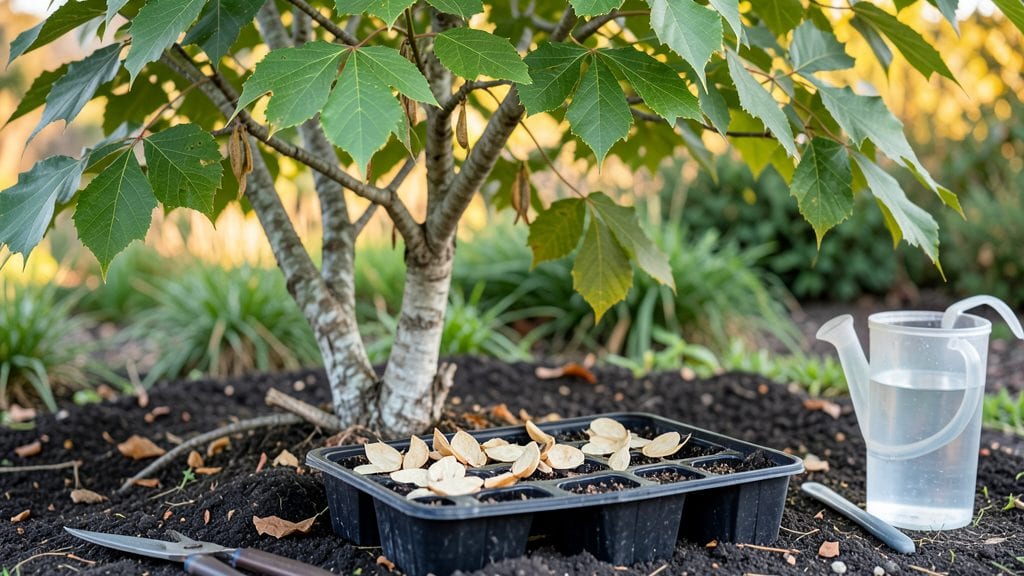
Boxelder tree seeds germinate faster than you’d expect—sometimes within 2-3 weeks if you handle them right. 🌱 I’ve collected hundreds of seeds over the years, and the key to success lies in understanding their quirks: they need cold stratification to break dormancy, but they won’t tolerate soggy soil.
Skip the guesswork, and you’ll have sturdy seedlings ready for spring planting.
The magic starts with fresh, plump seeds—never dry or shriveled ones. Gather them in late summer or early fall when they’ve fully ripened but haven’t yet scattered. Store them in a damp paper towel in the fridge for 6-8 weeks to simulate winter, then plant them in well-draining soil.
Boxelders grow faster than maples or oaks, but they need consistent moisture without waterlogging—think of them as the eager but high-maintenance cousins of native trees.
By the time spring arrives, you’ll watch those first pale green leaves unfurl with shockingly rapid growth. These trees mature into sturdy shade providers, but their early years demand attention to soil and water.
The payoff? A tree that blooms earlier than most natives, attracting pollinators and adding vibrant color to your landscape before summer even begins.
Works best in zones 3-9, though they tolerate urban pollution better than many species. Here’s how to avoid the pitfalls—like overwatering or planting too deep—and set your seedlings up for success from day one.
📚 In This Guide
- What you need
- Instructions
- Tips and common mistakes
- Wrapping up and next steps
What you need
- ● Fresh boxelder tree seeds – Collect them directly from mature samaras (winged seeds) in late summer or early fall. Aim for 50–100 seeds for a reliable test batch.
- ● Seed-starting mix – A well-draining, sterile potting mix (avoid garden soil—it can harbor diseases). A 50/50 blend of peat moss and perlite works well.
- ● Seed trays or small pots – Use biodegradable pots (3–4 inches deep) or a seed tray with cell inserts (at least 20 cells for 50 seeds).
- ● Plastic wrap or humidity dome – Keeps moisture high for germination (clear plastic wrap or a humidity lid for seed trays).
- ● Spray bottle – For gentle watering to avoid disturbing seeds.
- ● Grow lights or sunny windowsill – Boxelder seeds thrive in bright, indirect light (6–8 hours daily). A LED grow light is ideal if natural light is limited.
- ● Labeling tags + marker – Track seed varieties and planting dates!
- ● Seed stratification setup – If seeds aren’t fresh, a refrigerator (34–40°F for 4–6 weeks) can mimic winter conditions and boost germination.
- ○ Heating mat (optional) – Speeds up germination if your space is cool (70–75°F is ideal).
- ● Pruning shears – For harvesting seeds from mature trees (if not collected from the ground).
- ● Fine-mesh screen – Helps separate seeds from debris during collection.
Instructions for germinating boxelder tree seeds quickly
Here's the method I've used to get boxelder seedlings popping in under two weeks.
🌱 Step 1: Collect and Stratify Seeds Immediately
Boxelder seeds need a cold treatment called stratification to break dormancy. As soon as you collect them in fall, place them in a sealed plastic bag with a damp paper towel. Store the bag in your refrigerator's crisper drawer where temperatures stay around 35-40°F. Keep them there for 60-90 days—this mimics winter's natural chilling period.
Check the seeds every two weeks. If the paper towel dries out, lightly mist it with water. You'll know stratification is working when the seed coats begin to soften slightly. This cold treatment is critical—skipping it means seeds may never germinate, even if planted in spring.
⏰ Step 2: Prepare Containers and Planting Medium
Use 4-6 inch deep containers with drainage holes. Fill them with a mix of 50% potting soil and 50% perlite or coarse sand to ensure good drainage. Boxelder seeds dislike soggy conditions, so this blend prevents rot while still holding moisture.
Moisten the mix until it's damp but not wet—squeeze a handful to check. It should hold together when lightly pressed but not leave moisture on your fingers. Plant seeds ½ inch deep, spacing them 1 inch apart in rows. A single boxelder seed packet typically yields enough for 4-6 containers.
💧 Step 3: Maintain Moisture and Warmth for Germination
Place the containers in a warm spot with 70-75°F temperatures. A seedling heat mat works wonders here, keeping the soil consistently warm. Cover the containers loosely with clear plastic wrap to retain humidity, but remove it daily for 10 minutes to prevent mold.
Water gently from the bottom by placing containers in ½ inch of water for 10 minutes every 2-3 days. You'll see germination in 14-21 days—watch for the first tiny leaves (cotyledons) pushing through the soil. Once they appear, remove the plastic wrap completely to prevent damping-off disease.
☀️ Step 4: Provide Light and Gradually Acclimate Seedlings
Move seedlings to a bright location with indirect light immediately after germination. South-facing windows work, but supplement with a grow light if natural light is weak. Keep the light 2-3 inches above the seedlings and raise it as they grow to prevent legginess.
After 4-6 weeks, when seedlings have 3-4 sets of true leaves, start hardening them off. Place them outside in a sheltered spot for 1 hour daily, gradually increasing time over 10 days. This prepares them for transplanting in spring when soil temperatures reach 55°F.
Tips & tricks for perfect boxelder tree seed germination
A few strategic adjustments can transform your germination success rate from hit-or-miss to consistently reliable within the promised two-week window.
Stratification Accuracy: The 60-90 day cold treatment at 35-40°F is non-negotiable, but here's the secret: place a small thermometer inside your refrigerator bag to verify the exact temperature. Many home fridges fluctuate between 32°F and 42°F—consistent 35-40°F is what triggers dormancy breakage. I've seen seeds fail to germinate when kept at 45°F or below 30°F, even after 90 days.
Medium Consistency: That 50/50 potting soil-perlite mix is crucial, but the real trick lies in the moisture level. After mixing, let the blend sit for 24 hours before planting—this allows any excess moisture to evaporate while still maintaining that perfect "damp sponge" texture. Press your finger into the mix: it should feel like a wrung-out sponge, not a damp washcloth. Overly wet mixes cause rot before germination even begins.
Warmth Precision: The 70-75°F range during germination is critical, and seedling heat mats are your best friend here. I've found that placing containers on a heating pad set to "low" (around 72°F) gives more consistent results than relying on room temperature alone. Pro tip: Use a small digital thermometer to monitor soil temperature at seed level—surface temps can be misleading. If temps drop below 68°F, germination slows dramatically.
Light Transition: When moving seedlings to indirect light after germination, position your grow light 2-3 inches above the tallest seedling. As they grow, raise it incrementally—this prevents leggy, weak stems. I've seen seedlings stretch to 6 inches tall in just 10 days when light is too distant. For south-facing windows, place containers within 12 inches of the glass to maximize natural light penetration while avoiding direct midday sun.
Pro Tips for Boxelder Tree Seeds
- A few strategic adjustments can transform your germination success rate from hit-or-miss to consistently reliable within the promised two-week window.
- Stratification Accuracy: The 60-90 day cold treatment at 35-40°F is non-negotiable, but here's the secret: place a small thermometer inside your refrigerator bag to verify the exact temperature.
- Medium Consistency: That 50/50 potting soil-perlite mix is crucial, but the real trick lies in the moisture level.
Frequently asked questions
Got questions about dealing with boxelder tree seeds? You’re not alone! Here are some of the most common concerns—plus straightforward answers to help you manage them like a pro.
When is the best time to collect boxelder seeds for planting?
Collect seeds in late summer to early fall (August–September) when they’re fully mature but still green. Wait until they turn brown and start dropping naturally—this ensures high viability. Avoid seeds that sprout prematurely or are infested with pests.
Why do boxelder seeds spread so aggressively? How can I stop them?
Boxelder seeds are lightweight and winged, designed to spread via wind. To curb their spread:
- Remove seed clusters before they mature (use pruning shears or a rake).
- Mulch heavily under the tree to smother emerging seedlings.
- Consider manual removal in spring—wear gloves (seeds stain!) and dispose of them in sealed bags.
How long does it take for boxelder seeds to germinate?
Boxelder seeds are fast germinators—they can sprout in as little as 3–7 days under ideal conditions (moist soil, warm temps). However, many seeds lie dormant until spring rains trigger germination. For reliable results, stratify seeds (mix with moist sand, refrigerate for 4–6 weeks) before planting.
Are boxelder seeds toxic to pets or wildlife?
While boxelder seeds aren’t highly toxic, they can cause mild stomach upset if ingested in large quantities. The real concern is boxelder bugs, which cluster on seeds and trees. To protect pets:
- Avoid letting them chew on fallen seeds.
- Use pet-safe deterrents like diatomaceous earth around the tree base.
- Monitor for bug infestations—vacuum adults off plants if needed.
Can I plant boxelder seeds elsewhere to control their spread?
Yes! If you want to harness their fast growth, plant seeds in a contained area like a large pot or designated garden bed. Use a deep root barrier (burying hardware cloth 2–3 feet down) to prevent underground spread. Just be warned—boxelders grow fast (up to 3 feet/year) and can overpower smaller plants.
| Quick Fixes for Common Issues |
|---|
| Seeds sprouting too soon? Store them in a paper bag in the fridge until planting season. |
| Sticky sap on hands? Use rubbing alcohol or soap and water—avoid petroleum-based products (they can damage tree bark). |
| Seedlings popping up everywhere? Try vinegar spray (1:1 vinegar/water) on young sprouts (reapply weekly). |
Wrapping up and next steps
Mastering the art of growing boxelder tree seeds can transform your spring garden into a vibrant, thriving oasis! 🌱 With the right techniques—like proper stratification, well-draining soil, and consistent moisture—you’ll unlock fast germination and reliable blooms in no time.
Remember, patience and care are key, but the rewards are worth every effort.
Ready to take the next step? Start small with a few seeds this season—experiment with different conditions, and soon you’ll have a green thumb and a garden full of boxelder beauty. Happy planting! 🌿