Watering
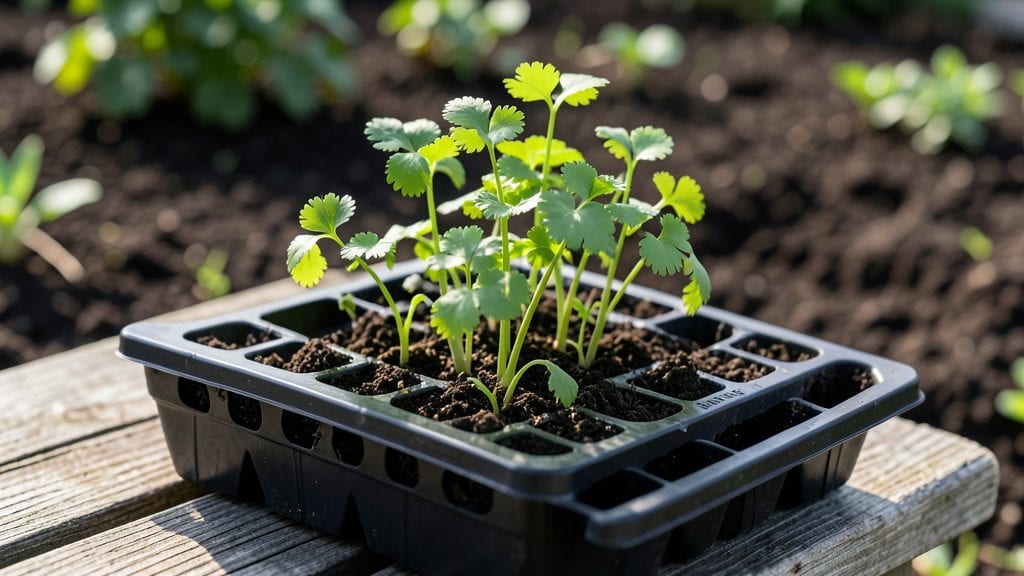
Understanding cilantro seedling stages is the key to growing the freshest herb in your kitchen. 🌱 From those first delicate sprouts to the bold leaves you snip for tacos, each phase needs just the right care.
I’ve watched cilantro go from wispy seedlings to full-grown plants in just 3-4 weeks, and the difference comes down to timing and attention.
The journey starts with germination, where tiny roots push through the soil in 5-10 days if kept moist and warm. Too much water drowns them; too little stalls growth. Once the first true leaves appear—those jagged, feathery shapes—you’ll know you’re past the fragile sprout stage.
This is when cilantro starts looking like the herb you know, and it’s ready for more light.
By week 3, your seedlings should be 4-6 inches tall with vibrant green leaves, though some bolt (flower) early if stressed. Regular harvesting keeps them productive, and a light pinch encourages bushier growth. The smell alone tells you it’s working—fresh, citrusy, and impossible to resist.
Common pitfalls? Overwatering or letting soil dry out completely. Cilantro thrives in cool weather but wilts in heat. With the right balance, you’ll go from seed to harvest in 6-8 weeks, snipping leaves as needed without sacrificing the plant. Here’s how to keep them happy at every stage.
📚 In This Guide
- What you need
- Instructions
- Tips and common mistakes
- Wrapping up and next steps
What you need
- ● Cilantro seeds: 1 packet (about 1,000 seeds) – choose organic, non-GMO seeds for best results.
- ● Seed trays or pots: 2-4 shallow trays (4-6 inches deep) or small pots (2-3 inches in diameter) with drainage holes.
- ● Seed-starting mix: 2-3 cups of high-quality, sterile potting soil (avoid garden soil—it may contain pathogens).
- ● Watering can or spray bottle: with a fine mist nozzle for gentle watering.
- ● Grow lights or sunny windowsill: A full-spectrum LED grow light (12-16 hours/day) or a south-facing window with 6+ hours of sunlight.
- ● Plastic wrap or humidity dome: To retain moisture during germination.
- ○ Fertilizer (optional but helpful): A balanced, water-soluble fertilizer (5-10-5 or 10-10-10) diluted to half-strength for seedlings.
- ● Heating mat: (70-75°F) to speed up germination in cooler climates.
- ● pH test kit: To ensure soil pH is between 6.2-6.8 (cilantro prefers slightly acidic soil).
- ● Transplanting tool: A small trowel or spoon for moving seedlings.
- ● Compost or worm castings: For extra nutrients once seedlings are established.
Step-by-Step guide to identifying cilantro seedling stages
Watch your cilantro grow from fragile sprouts to vibrant plants with these clear visual milestones.
🌱 Step 1: Germination (Days 1-7)
Cilantro seeds typically sprout within 3-7 days at 65-75°F, though cooler soil (50-60°F) can delay germination by a week. You'll see the first sign when tiny, pale green cotyledons (the seed leaves) push through the soil. These look like tiny, rounded leaves—nothing like the feathery adult foliage.
Here's the thing—don't be fooled by the speed. If you planted seeds too deeply (more than ¼ inch), germination will take longer as the seedling struggles to reach light. Keep the soil consistently moist but not soggy; a light misting with a spray bottle works best. Once 50% of seeds have sprouted, thin to the strongest seedlings, leaving 1-2 inches between plants to prevent competition.
🌿 Step 2: First True Leaves (Days 7-14)
After the cotyledons appear, wait another 7-10 days for the first true leaves to emerge—these are the feathery, lacy leaves cilantro is famous for. Unlike the broad cotyledons, these leaves will look delicate and resemble the mature plant. This is when you can finally relax; your seedlings have made it past the most vulnerable stage.
If your seedlings look leggy (long, thin stems with leaves spaced far apart), they need more light. Move them within 2-3 inches of a sunny window or under a grow light for 14-16 hours daily. Leggy seedlings often bolt (go to seed) prematurely, so this is the moment that matters: act now to prevent it. Water at the base to avoid disturbing the roots, and avoid wetting the leaves to prevent fungal diseases like damping-off.
✂️ Step 3: Established Growth (Weeks 3-4)
By 3-4 weeks, your cilantro should be 4-6 inches tall with 3-4 sets of true leaves. The plants will look bushier, and the leaves will start filling out. This is when you can begin harvesting the outer leaves—just snip with clean scissors, leaving the inner growth intact. Regular harvesting encourages more foliage and prevents bolting.
Watch for yellowing lower leaves—this is normal as the plant matures, but if it spreads upward or the leaves curl, your cilantro is stressed. Common causes include too much heat (above 80°F) or inconsistent watering. If you're growing in containers, ensure they have drainage holes and you're watering when the top inch of soil feels dry. Mulch with 1 inch of straw to retain moisture and keep roots cool.
🌿 Step 4: Pre-Harvest Maturity (Weeks 4-6)
Your cilantro is ready for full harvest when it reaches 6-12 inches tall with dense, feathery foliage. The leaves should be bright green and vibrant, not pale or wilted. This is the peak flavor window—harvest now for the best taste. Use sharp scissors to cut stems just above a leaf node to encourage regrowth.
Real talk: cilantro bolts (stems elongate and flower) quickly in hot weather. If you notice stems stretching or yellow flowers forming, it's time to harvest everything at once or pull the plant. To delay bolting, grow cilantro in partial shade during hot afternoons or choose bolt-resistant varieties like 'Santo' or 'Calypso'. If you're in a warm climate, plant cilantro in fall or early spring for the best results.
Tips & tricks for perfect cilantro seedling growth
These practical insights will help you navigate the delicate journey from seed to harvest without the common pitfalls that derail even experienced gardeners.
Seed Depth Matters: Plant cilantro seeds no deeper than ¼ inch—any deeper and they'll struggle to reach light, delaying germination by days. I've learned this the hard way after watching seeds planted too deep take twice as long to sprout. Use a toothpick to create shallow furrows if your soil is compacted, ensuring consistent depth across all seeds. The goal is to create an ideal environment where seeds can push through effortlessly.
Lighting Strategy for Leggy Seedlings: When you notice those telltale leggy stems in Step 2, it's a clear sign your seedlings need more light. Move them within 2-3 inches of a sunny window or set up a grow light providing 14-16 hours of light daily. I recommend using a full-spectrum LED grow light on a timer—this mimics natural daylight cycles and prevents the premature bolting that leggy seedlings often experience. The key is to provide consistent, bright light from the moment you notice the first signs of stretching.
Harvesting Technique: When you reach Step 3 and begin harvesting outer leaves, use clean, sharp scissors to cut stems just above a leaf node. This precise cutting method encourages regrowth while maintaining plant health. I've found that harvesting in the morning—when leaves are fully hydrated—yields the freshest flavor and prevents wilting. Always leave at least 3-4 sets of true leaves on the plant to maintain its ability to produce new growth. The first few harvests might seem small, but they're crucial for establishing a healthy plant that will reward you with abundant foliage.
Heat Management: Cilantro thrives in cooler temperatures, so when you notice leaves yellowing or stems elongating in Step 3, it's likely your plants are experiencing heat stress above 80°F. To combat this, provide afternoon shade using shade cloth or move containers to a cooler location. I've had great success with a simple DIY shade solution—just drape a white bedsheet over a frame during peak afternoon sun. This small adjustment can extend your harvest window by weeks, especially in warm climates. Remember, consistent temperatures between 60-75°F are ideal for optimal growth.
Pro Tips for Cilantro Seedling Stages
- These practical insights will help you navigate the delicate journey from seed to harvest without the common pitfalls that derail even experienced gardeners.
- Seed Depth Matters: Plant cilantro seeds no deeper than ¼ inch—any deeper and they'll struggle to reach light, delaying germination by days.
- Lighting Strategy for Leggy Seedlings: When you notice those telltale leggy stems in Step 2, it's a clear sign your seedlings need more light.
Frequently asked questions
Got questions about growing cilantro from seed? You’re not alone! Here are some of the most common concerns—and their solutions—to help you nurture those tiny seedlings into thriving plants.
How long does it take for cilantro seedlings to sprout?
Cilantro seeds typically sprout within 5–14 days, depending on temperature and moisture. If your soil stays consistently warm (60–70°F) and damp, you’ll see those first green shoots in about a week. Patience is key—some seeds take longer, especially in cooler conditions. Pro tip: Use a heat mat if sprouting feels sluggish!
Why are my cilantro seedlings taking so long to grow?
Slow growth often stems from cool soil, poor drainage, or uneven watering. Cilantro thrives in warmth but bolts in heat, so aim for 60–75°F days and 50–60°F nights. Check your soil moisture—it should stay evenly damp, not soggy. If seedlings are leggy or weak, they may need more light (a grow light helps indoors!).
What should I do if my cilantro seedlings bolt too early?
Bolting (premature flowering) happens when cilantro gets too hot or stressed. To delay it:
- Harvest leaves frequently to encourage bushier growth.
- Use shade cloth (30–50%) during peak afternoon sun.
- Plant in late summer or early spring for cooler temps.
- Choose bolt-resistant varieties like ‘Calypso’ or ‘Slow Bolt.’
How often should I water cilantro seedlings?
Keep soil consistently moist but not waterlogged—about 1 inch of water per week, more if it’s hot or windy. Seedlings need daily checks to prevent drying out. Water at the base (not leaves) to avoid fungal issues. Morning watering is best—it gives foliage time to dry before evening. Watch for wilting, a sign they need hydration!
Can I transplant cilantro seedlings, and when?
Yes! Transplant seedlings once they have 2–3 true leaves (about 3–4 weeks old). Harden them off 5–7 days beforehand by placing them outside in partial shade for a few hours daily. Space them 6–12 inches apart in well-draining soil. Transplant in the evening to reduce stress, and water thoroughly after moving. Pro tip: Use a small trowel to minimize root disturbance!
What’s the best alternative if cilantro seedlings fail?
If your cilantro struggles, try these low-maintenance swaps:
- Parsley: Slower to grow but hardy; great for garnishes.
- Dill: Loves similar conditions; seeds and leaves are edible.
- Basil: Thrives in heat and repels pests (like mosquitoes!).
- Chives: Cold-tolerant and regrow easily from cuttings.
Wrapping up and next steps
Growing cilantro from seed to harvest is a rewarding journey, and understanding each cilantro seedling stage makes the process even smoother! 🌱 From those first delicate sprouts to robust seedlings ready for transplanting, patience and care pay off with a bountiful, flavorful harvest.
Whether you’re a beginner or a seasoned gardener, your efforts will soon be rewarded with fresh, homegrown cilantro.
Now that you’re armed with the knowledge, take the next step—grab your seeds, prep your soil, and watch your garden transform! Happy planting! 🌿