Lawn
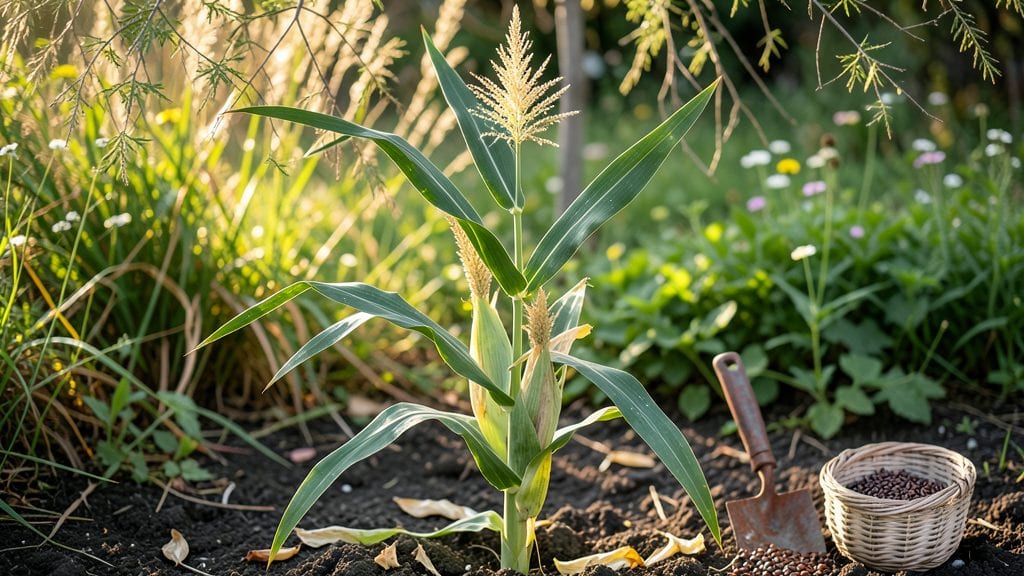
Growing corn salad from seed using the layered chill method guarantees those delicate, peppery greens by spring. 🌱 I’ve struggled with bolting plants in past years, but this technique—stratifying seeds in damp paper towels before planting—syncs germination perfectly with cooler temperatures. The result? Uniform, vigorous seedlings that outpace store-bought starts.
You’ll need a well-draining seed-starting mix, small pots or a seed tray, and patience for the 10-14 day cold stratification period. Common varieties like ‘Vital’ or ‘Salad Bowl’ thrive with this method, while ‘Giant of Italy’ produces larger leaves.
The key is consistency: keep seeds moist but not soggy during stratification, then transplant outdoors after last frost when soil reaches 50°F.
Once planted, corn salad thrives in partial shade, making it ideal for early spring or late summer harvests. Water gently to avoid disturbing shallow roots, and expect tender leaves in 4-6 weeks.
The layered chill method eliminates the guesswork of timing, so you’ll enjoy fresh greens without the frustration of bolting or uneven growth.
For container gardeners, use 6-inch pots or window boxes—just ensure they drain well. In warmer climates, opt for fall planting to avoid summer heat stress. With this approach, you’ll master a foolproof way to grow corn salad that’s both productive and reliable, season after season.
📚 In This Guide
- What you need
- Instructions
- Tips and common mistakes
- Wrapping up and next steps
What you need
- ● Corn salad seeds: 1–2 grams (about 200–400 seeds) – choose organic or heirloom varieties for best results.
- ● Seed-starting mix: 1–2 cups of sterile, well-draining potting soil (avoid garden soil to prevent mold).
- ● Small containers: 2–4 shallow trays, pots, or even a repurposed egg carton (3–4 inches deep).
- ● Plastic wrap or clear lid: To create a mini greenhouse effect and retain moisture.
- ● Spray bottle: For gentle watering to keep seeds moist without disturbing them.
- ● Refrigerator: A standard fridge with a crisper drawer (or a cool, dark space like a basement).
- ● Grow lights or sunny windowsill: For post-chill germination (6–8 hours of light daily).
- ● Plant labels: To track varieties and planting dates.
- ● Fine-mesh screen: For drainage holes if using containers without them.
- ● Humidity dome: A small greenhouse kit to speed up germination.
- ○ Fertilizer (optional): A balanced, water-soluble fertilizer (5-5-5 ratio) for transplanting.
- ● Gloves: To keep hands clean while handling soil.
Step-by-step instructions for layered chill stratification of corn salad seed
This method ensures strong germination and vibrant blooms by mimicking natural winter conditions.
🌱 Step 1: Prepare the Seeds and Moisture Medium
Begin by placing the corn salad seeds in a small bowl or container. I prefer to use a fine mesh bag or folded damp paper towels—this keeps seeds contained while allowing even moisture distribution. Add just enough water to dampen the medium thoroughly but not soak it; it should feel like a wrung-out sponge.
Seal the container or bag inside a zip-top plastic bag to retain humidity. Place it in the refrigerator where temperatures stay consistently between 34-40°F. This cold stratification period is critical—it breaks seed dormancy and primes them for spring growth.
⏰ Step 2: Stratify for 4-6 Weeks
Check the seeds weekly to ensure the medium remains evenly moist. If it feels dry to the touch, mist lightly with water and reseal. You won’t see any visible changes during this period, but the internal biochemical processes are actively preparing the seeds for germination.
Real talk: Don’t rush this step. Corn salad seeds need this cold treatment to overcome their natural dormancy. If you skip stratification, germination rates will be poor, and seedlings will be weak. After 4-6 weeks, remove the seeds from cold storage and let them sit at room temperature for 24 hours to acclimate.
🌿 Step 3: Sow in Prepared Growing Medium
Fill small seed-starting trays or individual pots with a lightweight seed-starting mix (never garden soil—it’s too dense). Press the mix down gently to create a firm but not compacted surface. Scatter the stratified seeds evenly, spacing them about ½ inch apart to prevent overcrowding.
Cover the seeds with a thin layer of the same mix—just enough to obscure them from view. Mist the surface lightly with water until the top layer feels damp but not saturated. Place the trays in a warm, bright location where temperatures hover around 65-70°F during the day.
☀️ Step 4: Provide Optimal Light and Moisture
Corn salad seedlings thrive with bright, indirect light for the first two weeks. A south-facing window works well, but supplement with a grow light if natural light is insufficient. You’ll know the light is adequate when seedlings grow upright with dark green leaves—no stretching or pale yellowing.
Keep the growing medium consistently moist but never soggy. Water gently from below by placing trays in an inch of water for 10-15 minutes, then drain excess. Overwatering at this stage leads to damping-off, a fungal disease that collapses seedlings overnight. After 7-10 days, you’ll see the first true leaves emerge—this is your cue to thin or transplant if needed.
🪴 Step 5: Transplant and Harden Off
Once seedlings develop 3-4 true leaves, they’re ready for individual pots or garden beds. Gently lift each seedling by its leaves (never the stem) and place it in a 3-inch pot filled with well-draining potting mix. Press the soil lightly around the base to eliminate air pockets.
Harden off seedlings by gradually exposing them to outdoor conditions over 7-10 days. Start with 1-2 hours of shade on the first day, then increase exposure by 1 hour daily. By the time you’re ready to plant outdoors, seedlings should tolerate full sun without wilting. Transplant after the last frost date when soil temperatures reach 50°F or warmer.
Tips & tricks for perfect corn salad seed stratification
A few essential techniques that'll transform your germination success rate from hit-or-miss to consistently reliable blooms.
The Temperature Factor: The 34-40°F range in your refrigerator is perfect for stratification, but don't assume all fridges maintain this evenly. Place a thermometer inside your fridge to verify—some models have temperature fluctuations in the crisper drawer. If your fridge runs warmer, consider using a dedicated seed stratification fridge or a cooler with ice packs. Corn salad seeds are particularly sensitive to temperature variations during this critical period.
Moisture Management: During the 4-6 week stratification period, I've found that using a fine mesh bag works better than paper towels because it maintains consistent moisture without risking mold. After sealing, give the bag a gentle squeeze test weekly—it should feel like a well-wrung sponge. If condensation appears inside the bag, open it briefly to air out before resealing. Proper moisture balance prevents both drying out and fungal growth, both of which can kill your seeds before they even germinate.
Visual Cues for Transplant Readiness: When your seedlings develop their 3-4 true leaves (not counting the initial seed leaves), they're ready for transplanting. Look for leaves that are dark green and firm to the touch, with visible veins running parallel. The stems should be sturdy enough to support themselves when gently touched. If leaves appear yellowed or translucent, the seedlings need more light or consistent moisture during their growth phase.
Harden Off Gradually: The 7-10 day hardening process is where many growers rush and end up with stressed seedlings. Start with just 1-2 hours of shade on day one, then increase exposure by 1 hour daily. Watch for wilting—this is your signal to reduce exposure time. By day 7, your seedlings should be able to handle 7-8 hours of direct sunlight without wilting. This gradual process strengthens their cell walls and prepares them for outdoor conditions without shock.
Pro Tips for Corn Salad Seed
- A few essential techniques that'll transform your germination success rate from hit-or-miss to consistently reliable blooms.
- The Temperature Factor: The 34-40°F range in your refrigerator is perfect for stratification, but don't assume all fridges maintain this evenly.
- Moisture Management: During the 4-6 week stratification period, I've found that using a fine mesh bag works better than paper towels because it maintains consistent moisture without risking mold.
Frequently asked questions
Got questions about growing corn salad seeds (also called mache or lamb’s lettuce)? You’re not alone! Here are some of the most common queries—and their answers—to help you grow a thriving crop with confidence.
When is the best time to plant corn salad seeds for spring harvest?
For a reliable spring harvest, sow seeds 8–10 weeks before your last frost date in fall (Zone 7+). In colder climates (Zones 3–6), plant in early spring as soon as soil is workable (around 40°F). Corn salad thrives in cool weather—avoid planting in summer heat—or it’ll bolt quickly.
What’s the “layered chill method,” and why is it important?
The layered chill method mimics winter conditions by exposing seeds to stratification (cold + moisture) before planting. This breaks dormancy, ensuring stronger, faster germination. For corn salad, chill seeds in a damp paper towel in the fridge for 1–2 weeks before sowing. Pro tip: Label your seed packets to track chill time!
Can I grow corn salad in containers, or does it need a garden bed?
Corn salad grows well in containers, window boxes, or raised beds—just ensure they’re at least 6–8 inches deep with drainage holes. Use a light, well-draining soil mix (like 60% potting soil + 40% compost). For containers, plant seeds ½ inch deep and keep them in partial shade to prevent bolting.
Why are my corn salad seeds not germinating? Troubleshooting tips.
Slow or no germination often stems from temperature, moisture, or seed freshness. Check these fixes:
Too warm? Keep soil 50–65°F for best results.
Dry soil? Mist seeds daily until sprouts appear (don’t overwater—seeds need air!).
Old seeds? Corn salad seeds lose viability after 1–2 years.
Light issue? Seeds need bright, indirect light to germinate.
If all else fails, try a fresh batch of seeds!
What can I plant alongside corn salad for a “cut-and-come-again” salad mix?
Corn salad pairs beautifully with fast-growing greens for a continuous harvest. Try:
- Spinach (sow every 2 weeks for staggered growth)
- Arugula (peppery kick complements corn salad’s mild taste)
- Microgreens (like radish or broccoli sprouts)
- Cilantro (harvest leaves before bolting)
Pro tip: Space plants 6–8 inches apart to prevent competition.
Wrapping up and next steps
Growing corn salad seed using the layered chill method is a rewarding way to enjoy fresh, peppery greens straight from your garden—no matter your climate! 🌱 With patience and the right techniques, you’ll soon have vibrant blooms and edible leaves ready for harvest.
Whether you’re a beginner or a seasoned gardener, this method makes success achievable.
Ready to take the next step? Start by ordering high-quality seeds (like Valerianella locusta) and mark your calendar for fall planting. Your future self—and your taste buds—will thank you! 🌿