Vegetables
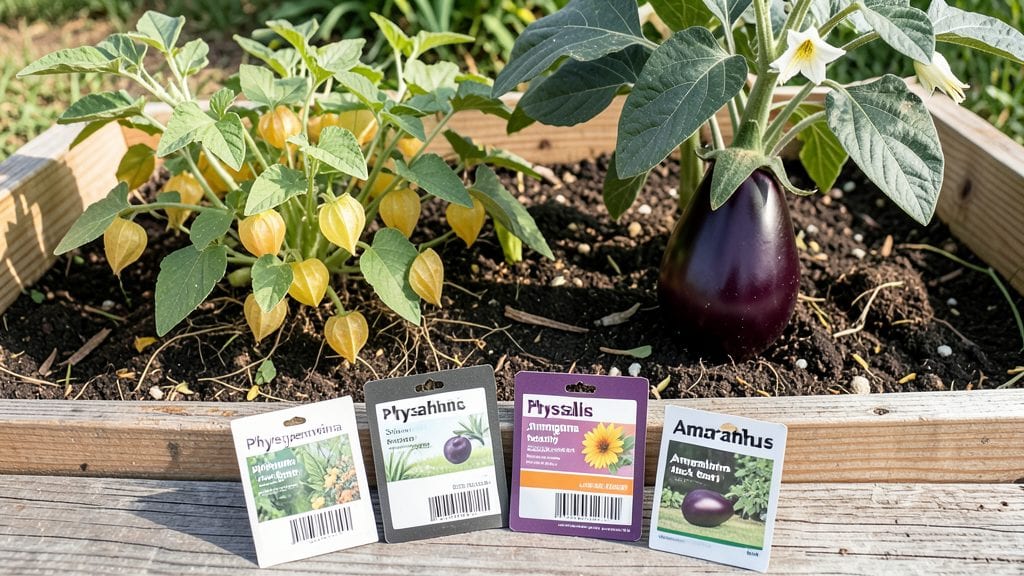
Growing exotic vegetable seeds turns your garden into a culinary adventure. 🌱 I’ve grown yacon, purple sweet potatoes, and African eggplant—plants that look nothing like what you’d find at the grocery store, but taste even better.
The key isn’t just planting; it’s knowing which varieties thrive in your climate and how to coax them from seed.
Start with seeds from specialty suppliers like Baker Creek Heirloom Seeds or Seeds of Change, which offer rare varieties and clear growing guides. Most exotic veggies need warm soil (at least 70°F) and consistent moisture to germinate—think of them like tropical houseguests that need a little extra care.
Purple sweet potatoes, for example, love heat and long growing seasons, while okra varieties handle drought once established.
By mid-season, you’ll harvest vibrant, unusual produce that steals the show at dinner parties. Imagine slicing into a purple sweet potato with jewel-toned flesh or tasting yacon’s sweet, crunchy tubers.
The payoff? A garden that’s as visually stunning as it is delicious, and a skill set that sets you apart from the average gardener.
Whether you’re in a warm climate or a cooler zone, these tips adapt—just adjust planting times and use row covers for early starts. The real reward isn’t just the harvest; it’s the joy of growing something truly unique. Let’s get those seeds sprouting!
📚 In This Guide
- What you need
- Instructions
- Tips and common mistakes
- Wrapping up and next steps
What you need
- ● Exotic vegetable seeds: Choose 3–5 rare varieties (e.g., Malabar spinach, Okinawan sweet potato, or African horned cucumber). Buy from reputable seed suppliers (organic, non-GMO preferred).
- ● Seed-starting trays or biodegradable pots: 72-cell trays or 2–3 inch pots (10–15 units per variety).
- ● High-quality seed-starting mix: 10–15 lbs (sterilized, peat-free or coco coir-based).
- ● Grow lights or sunny windowsill: LED grow lights (full-spectrum, 12–16 hrs/day) or a south-facing window with 6+ hours of sunlight.
- ● Watering can with a fine rose: 1–2 gallons capacity (avoid overhead watering).
- ● Plant labels & markers: Waterproof tags or a permanent marker to track varieties.
- ● Small hand trowel: For transplanting seedlings (5–7 inch blade).
- ● Pruning shears: Sharp, sterilized shears for harvesting or trimming.
- ● pH test kit: Digital or liquid kit to monitor soil pH (ideal: 6.0–7.0 for most exotics).
- ○ Thermometer (optional): Soil or air thermometer to track heat-loving varieties (e.g., Okra, Eggplant).
- ● Greenhouse or cold frame (seasonal): Extend growing seasons in cooler climates (4’x4’ frame or mini greenhouse).
- ● Research-based planting schedule: Exotics like Yacon or Sunchokes need 90–120 frost-free days—check your USDA zone!
- ● Space planning: Allocate 12–18 sq ft per plant (some, like Tree Collard, grow large!).
- ● Patience: Some seeds (e.g., African Black Nightshade) germinate slowly—up to 30 days!
- ● Backup seeds: Buy extras in case of poor germination (exotics can be finicky!).
How to grow exotic vegetables from rare seeds
Growing unusual vegetables is easier than you think—just follow these steps for healthy, thriving plants.
🌱 Step 1: Select and Prepare Your Seeds
Start by choosing 4 exotic vegetable seed packets that suit your climate. Some varieties, like Malabar spinach or yard-long beans, thrive in warm conditions, while others like Sunchokes or Romanesco broccoli prefer cooler temperatures. Before planting, soak seeds overnight in lukewarm water if the packet suggests it—this softens the outer shell and speeds up germination.
I like to label each seed packet with the variety name and planting date—trust me, you’ll forget which is which after a few weeks. Place them in a cool, dark spot until ready to sow. If you’re growing heat-loving varieties like Okra or Eggplant, wait until soil temperatures reach 65°F or higher before planting.
🪴 Step 2: Choose Containers and Soil Mix
Use 4 individual 12-inch pots or a single large container with divided sections for each variety. Fill them with a well-draining potting mix—never garden soil, as it can compact and suffocate delicate roots. I mix in a handful of perlite or vermiculite to improve aeration, especially for tropical varieties that hate soggy roots.
Fill each pot to about 1 inch below the rim and press down lightly to remove air pockets. Moisten the soil until it’s evenly damp but not waterlogged. A good test is squeezing a handful—it should hold together but not drip water. This ensures your seeds have the perfect environment to sprout without rotting.
☀️ Step 3: Plant Seeds at the Right Depth and Light
Follow the depth guidelines on each seed packet—most exotic seeds should go ½ to 1 inch deep, depending on their size. I use a small stick or pencil to make a hole, drop in 2-3 seeds per pot, and cover lightly with soil. Gently pat the surface to secure the seeds without burying them too deep.
Place your pots in a warm, bright spot with 6-8 hours of indirect light daily. If using a grow light, position it 4-6 inches above the seedlings and keep it on for 12-14 hours per day. Watch for the first signs of sprouts—usually within 7-14 days, depending on the variety. Once they emerge, move them to a sunny windowsill or under grow lights immediately to prevent leggy growth.
💧 Step 4: Water and Maintain Ideal Conditions
Keep the soil consistently moist but never soggy—exotic seeds often rot if overwatered. Water gently at the base of the plants, avoiding the leaves to prevent fungal diseases. I check moisture by sticking my finger 1 inch into the soil—if it feels dry, it’s time to water. Reduce watering slightly once true leaves appear, as overhydration can stunt growth.
Most exotic vegetables prefer 65-75°F temperatures during the day and 55-65°F at night. If your home runs cooler, consider using a small greenhouse or heat mat for faster germination. Once seedlings reach 2-3 inches tall, thin them to the strongest one per pot to give roots plenty of space to grow.
✂️ Step 5: Harvest and Encourage Regrowth
Harvest your exotic vegetables when they reach their peak flavor and texture—usually when pods are firm, leaves are tender, or flowers are just beginning to bloom. For example, pick yard-long beans when they’re 6-8 inches long, and harvest Malabar spinach leaves when they’re 4-6 inches tall to encourage bushier growth.
After harvesting, fertilize lightly with a balanced 10-10-10 fertilizer to replenish nutrients. Many exotic vegetables, like Sunchokes or Okra, produce continuously if given proper care. Watch for signs of stress, like yellowing leaves or stunted growth—these often signal overwatering, nutrient deficiency, or insufficient light. Adjust your care routine accordingly, and you’ll enjoy a year-round supply of unique, homegrown produce.
Tips & tricks for perfect exotic vegetable growth
Here's what I've learned from growing these rare varieties—these tricks make all the difference between healthy plants and disappointing failures.
Seed Preparation Secret: When soaking seeds overnight in lukewarm water (Step 1), use a clean glass jar with a tight lid to prevent contamination. I've found that adding a pinch of honey to the water can help prevent mold growth, especially with tropical varieties like Okra or Eggplant. This step isn't required but gives you that extra confidence boost when you see those first sprouts peeking through.
Temperature Matters: The 65-75°F daytime temperature range (Step 4) is critical for germination. If your home runs cooler, place pots on a heating pad set to low or use a small greenhouse to maintain consistent warmth. I've seen germination times double when seeds sit in temperatures below 65°F—patience is key, but warmth makes all the difference. For nighttime temps, aim for 55-65°F; anything colder can shock delicate seedlings.
Lighting Strategy: The 12-14 hours of daily light (Step 3) should be bright but indirect until seedlings emerge. I recommend using a full-spectrum LED grow light if natural light is limited—position it 4-6 inches above your pots and adjust as plants grow. Watch for leggy seedlings (long, thin stems) which means they're stretching for light; this happens when light isn't strong enough.
Harvesting Timing: For yard-long beans, harvest at 6-8 inches to encourage continuous production—any longer and they'll toughen up. With leafy greens like Malabar spinach, cut outer leaves when they reach 4-6 inches tall, leaving the inner growth intact. This method keeps your plants producing for months! I've found that harvesting in the morning gives you the freshest, most flavorful produce.
Pro Tips for Exotic Vegetable Seeds
- Here's what I've learned from growing these rare varieties—these tricks make all the difference between healthy plants and disappointing failures.
- Seed Preparation Secret: When soaking seeds overnight in lukewarm water (Step 1), use a clean glass jar with a tight lid to prevent contamination.
- Temperature Matters: The 65-75°F daytime temperature range (Step 4) is critical for germination.
Frequently asked questions
Got questions about growing exotic vegetable seeds?
You’re not alone! Here are answers to the most common concerns—from timing to troubleshooting—to help you succeed with your rare harvest.
What’s the best time to plant exotic vegetable seeds?
Timing depends on the variety! Most tropical or heat-loving seeds (like okra or bitter melon) thrive in warm soil (70°F+), so wait until after the last frost. Cool-season exotics (e.g., salsify or scorzonera) prefer spring or fall planting when temps are mild. Check seed packets for specifics—some even specify "short-day" or "long-day" needs!
Can I grow exotic veggies indoors or in containers?
Many exotic varieties (like Thai basil, Malabar spinach, or African horned cucumbers) adapt well to containers with proper drainage. Use a sunny windowsill or grow lights for 6–8 hours daily. Just ensure pots are at least 12 inches deep for root crops (e.g., taro) and use lightweight potting mix to prevent soggy soil.
Are exotic seeds more expensive? Are there budget-friendly alternatives?
Yes, niche seeds often cost more upfront, but they’re long-term investments—many produce prolifically! For savings, try:
- Seed swaps (check local gardening groups or online forums).
- Heirloom varieties (sometimes cheaper than hybrid exotics).
- Start small: Buy a few seeds to test your growing conditions before committing.
Why aren’t my exotic seeds germinating? Troubleshooting tips!
Exotic seeds can be finicky! Try these fixes if they’re slow to sprout:
- Check moisture: Keep soil consistently damp (not soggy) and use a spray bottle for delicate seeds.
- Adjust temperature: Some need warmth (try a heating mat) or a cold stratification period (e.g., refrigerate for 2–4 weeks).
- Test viability: Cut open a seed—if it’s hard and unblemished, it’s likely viable.
- Light exposure: Some (like chaya) need light to germinate; others (e.g., taro) prefer darkness.
How do I store leftover exotic vegetable seeds?
Proper storage keeps seeds viable for 1–5 years (depending on the type). Follow these steps:
Step
How-To
Dry completely
Spread seeds in a single layer on paper towels for 3–5 days in a warm, dry place.
Store in airtight containers
Use glass jars or mylar bags with oxygen absorbers to block moisture and pests.
Keep cool and dark
Store in a fridge (35–40°F) or root cellar. Label with the variety and date!
Wrapping up and next steps
Exploring exotic vegetable seeds opens up a world of bold flavors, vibrant colors, and year-round gardening possibilities! Whether you're drawn to the crisp crunch of celosia or the earthy sweetness of sunchokes, these rare varieties can transform your garden—and your meals—into exciting culinary adventures. 🌱✨
Ready to take the next step? Start small—order a few seeds, experiment with growing conditions, and let your curiosity guide you. Before you know it, you’ll be harvesting unforgettable veggies straight from your backyard. Happy planting! 🌍💚
- Pro Tip: Keep a gardening journal to track what thrives (or doesn’t) in your climate!