Vegetables
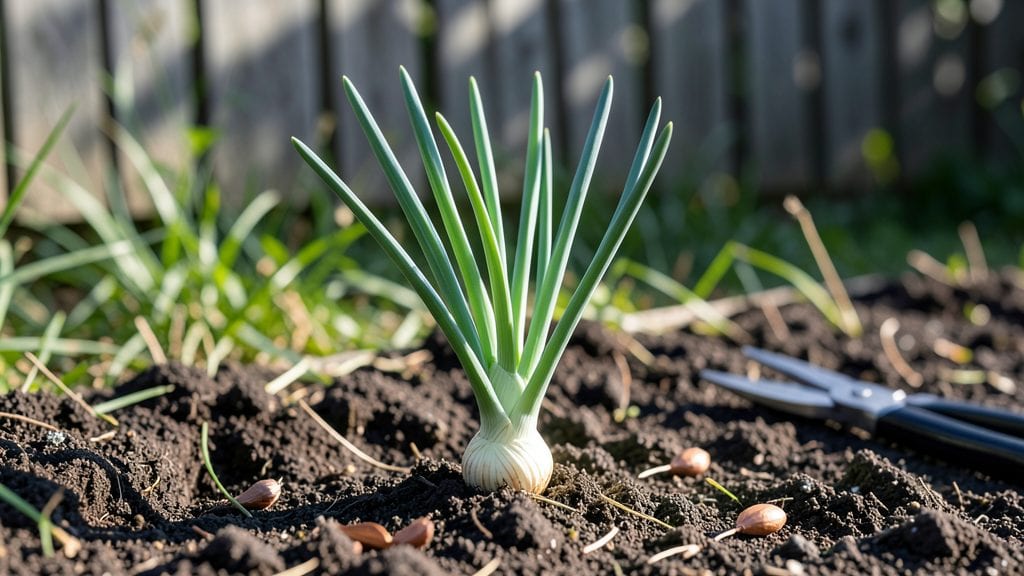
Growing green onion seedlings from seed is the fastest way to get fresh, crisp onions in just three weeks—no waiting for store-bought plants to catch up. 🌱 I’ve grown them indoors and outdoors, and the difference between homegrown and store-bought is shocking: homegrown stay fresh for weeks and taste like nothing else.
The secret isn’t complicated—it’s about timing, the right soil, and a little patience.
You’ll need a shallow container, some well-draining soil mix, and a sunny spot (or grow light). Scatter the tiny seeds about ¼-inch deep, keep them moist but not soggy, and watch for sprouts in 5-7 days.
The key is consistency—too much water drowns them, too little stunts growth. Once they’re about 3 inches tall, you can start harvesting the greens or let them grow into full onions.
By week three, you’ll have a steady supply of green onions ready for salads, soups, or stir-fries. The best part? You can keep harvesting the greens repeatedly, and the plants will regrow.
If you let them mature, you’ll get bulbs too—it’s like getting two crops for the price of one. This method works indoors on a windowsill or outdoors in cooler weather.
Here’s the thing—most people think green onions are hard to grow, but they’re one of the easiest vegetables to start from seed. The biggest mistake? Overwatering or letting them dry out.
With just a little attention, you’ll have a never-ending supply of fresh green onions in no time. Ready to get started?
📚 In This Guide
- What you need
- Instructions
- Tips and common mistakes
- Wrapping up and next steps
What you need
- ● Green onion seeds: 1 packet (about 100-200 seeds) or 3-4 mature green onions (for regrowth)
- ● Seed-starting mix: 2-3 cups of sterile, well-draining potting soil (avoid garden soil)
- ● Containers: Small seed trays (with drainage holes) or
- ● Biodegradable peat pots (3-4 inches deep)
- ● Repurposed containers (yogurt cups, egg cartons) with drainage holes
- ● Watering can or spray bottle: With a fine mist nozzle for gentle hydration
- ○ Plastic wrap or humidity dome: To retain moisture (optional but helpful for germination)
- ● Grow lights or sunny windowsill: 6-8 hours of indirect light daily (south-facing window or LED grow lights)
- ● Fertilizer: Balanced liquid fertilizer (5-5-5 or 10-10-10) diluted to half-strength
- ● Twine or toothpicks: For supporting seedlings if needed
- ● Scissors or pruning shears: For trimming mature green onions (if using regrowth method)
- ○ Thermometer (optional): To monitor soil temperature (ideal: 60-75°F for germination)
Step-by-step instructions for growing green onion seedlings indoors
Here's how I grow fast, healthy green onion seedlings—no greenhouse needed.
🌱 Step 1: Soak and Plant the Seeds
Start by soaking the green onion seeds in lukewarm water for 12 hours to soften the outer coating and speed germination. I use a small bowl or jar with enough water to fully submerge the seeds. This ensures they absorb moisture quickly and break through the soil faster.
After soaking, drain the seeds and let them sit on a paper towel for 30 minutes to dry slightly. This prevents them from sticking together when planting. Fill a shallow container—like a seed tray or even a repurposed egg carton—with moistened seed-starting mix (never garden soil). Press the soil down gently so it's firm but not compacted.
Plant the seeds ¼ inch deep and ½ inch apart in rows. I like to use a toothpick to make small holes for precision. Cover them lightly with a thin layer of soil—just enough to hide the seeds. Mist the surface with water until it feels damp but not soggy.
💧 Step 2: Provide Warmth and Moisture for Germination
Place the container in a warm spot, ideally between 70-75°F. I keep mine on top of the fridge or near a sunny window during the day. Cover the tray with a clear plastic dome or plastic wrap to retain humidity and warmth. This creates a mini greenhouse effect that speeds up germination.
Check the soil daily but resist the urge to water again until the surface feels dry to the touch. Overwatering at this stage can lead to rot. Germination usually takes 7-10 days, but it can take up to 2 weeks if your home is cooler. You'll know it's time when you see tiny green shoots pushing through the soil.
Once 50% of the seeds have sprouted, remove the dome immediately. This prevents damping-off disease, which can kill seedlings overnight. Keep the soil consistently moist but not waterlogged—think of it as a damp sponge, not a swamp.
☀️ Step 3: Move to Bright Light and Thin Seedlings
As soon as the seedlings emerge, move them to a location with bright, indirect light. A south-facing window is ideal, but if natural light is limited, supplement with a grow light placed 4-6 inches above the plants. Green onions need light to grow strong and prevent them from becoming leggy or pale.
When the seedlings reach 1-2 inches tall and have 2-3 true leaves, it's time to thin them. Use a small pair of scissors to snip the weaker seedlings at soil level, leaving the strongest one in each spot. This ensures the remaining plants have enough space and nutrients to grow.
After thinning, water the seedlings gently at the base to avoid disturbing the roots. You'll notice the remaining plants start to grow faster and develop deeper green leaves. This is your cue that they're thriving.
🌿 Step 4: Harvest or Transplant for Continued Growth
Green onions are ready to harvest in just 3-4 weeks from planting. You'll know they're ready when the green tops are 6-8 inches tall and the bulbs at the base are about ½ inch in diameter. Simply grasp the base of the plant and give it a gentle tug to pull it out of the soil.
If you want to keep growing green onions, you can replant the bulbs after harvesting the greens. Place the bulbs back into the soil, leaving the top ½ inch exposed. Water them lightly and keep them in bright light. New green shoots will emerge in 1-2 weeks, giving you multiple harvests from a single planting.
For a continuous supply, I stagger my plantings every 2 weeks. This ensures I always have fresh green onions ready to use, whether I'm cooking or garnishing dishes. The key is consistency—keep the soil moist, provide plenty of light, and harvest regularly to encourage regrowth.
Tips & tricks for perfect green onion seedlings
Here's what nobody tells you about growing fast, healthy green onions indoors.
Soaking Strategy: The 12-hour soak is non-negotiable for breaking the seed's tough outer shell, but here's the secret: use lukewarm water that feels comfortable to your wrist—not hot enough to scald, but warmer than room temperature. I've found that adding a tiny pinch of sea salt to the soaking water prevents fungal growth during those critical first days. After draining, pat the seeds dry on a paper towel for exactly 30 minutes—any longer and they'll stick together when planting.
Temperature Matters: Maintaining that 70-75°F range during germination is crucial, but don't stress if your home runs cooler. If your kitchen stays around 65°F, simply place the seed tray on top of your refrigerator (not inside) or near a sunny window during daylight hours. The key is consistency—fluctuations cause uneven sprouting. I've even used a small heating pad set to low under the tray in winter to maintain warmth without overdoing it.
Lighting Hack: When supplementing with grow lights, position them just 4-6 inches above the seedlings and use them for 12-14 hours daily. The light should be bright enough that you can't read newsprint underneath it. I've had success with simple LED grow bulbs that cost under $20—no need for expensive setups. Rotate the tray daily so all sides get equal light exposure, preventing lopsided growth.
Thinning Technique: The moment you see seedlings reach 1-2 inches tall with 2-3 true leaves, it's time to thin. Here's my pro move: instead of pulling seedlings, I use clean, sharp scissors to snip at soil level. This prevents disturbing the roots of neighboring plants. I've found that leaving the strongest seedling in each spot—identified by its vibrant green color and sturdy stem—gives you the healthiest plants with minimal competition for nutrients.
Pro Tips for Green Onion Seedling
- Here's what nobody tells you about growing fast, healthy green onions indoors.
- I've found that adding a tiny pinch of sea salt to the soaking water prevents fungal growth during those critical first days.
- Temperature Matters: Maintaining that 70-75°F range during germination is crucial, but don't stress if your home runs cooler.
Frequently asked questions
Got questions about growing green onion seedlings?
You’re not alone! Here are answers to the most common ones to help you grow lush, fast, and flavorful green onions at home.
How long does it take for green onion seedlings to grow?
With proper care, you’ll see visible sprouts in just 3–5 days and harvest-ready seedlings in 2–3 weeks. For continuous harvests, replant seeds every 10–14 days—no need to wait for full maturity!
Do green onion seedlings need sunlight?
Yes! Place them in a spot with 4–6 hours of direct sunlight daily. A sunny windowsill or grow light works well. Without enough light, seedlings will grow leggy and weak—keep them bright for crisp, flavorful stems!
Can I grow green onions from store-bought scraps?
Save the white and dark green base (about 1–2 inches), trim the roots, and place it in a shallow dish of water. Change the water every 2–3 days—new shoots will sprout in 1–2 weeks! For soil, plant the base directly in moist potting mix.
Why are my green onion seedlings turning yellow?
Yellowing can mean overwatering (let soil dry slightly between waterings), nutrient deficiency (use balanced fertilizer), or too much sun (provide partial shade if leaves scorch). Check the roots—soggy or mushy roots need immediate drying out!
How do I harvest green onions without killing the plant?
Snip the outer green stems (leave the white base and inner greens) with clean scissors. This encourages regrowth for multiple harvests over 4–6 weeks. Avoid pulling—it can damage the root system and stunt future growth.
What’s the best alternative if green onion seeds don’t sprout?
Try pre-sprouted seeds (soaked overnight) or switch to green onion sets (small bulbs) for faster, foolproof growth. If seeds fail, check for freshness—old seeds may not germinate. Store seeds in a cool, dry place for future use.
Wrapping up and next steps
Growing green onion seedlings in just three weeks is a rewarding and simple way to enjoy fresh, homegrown greens year-round! Whether you’re a beginner or a seasoned gardener, this quick-growing plant proves that anyone can cultivate their own food with minimal effort.
Now that you’re equipped with the right knowledge—from seedling care to troubleshooting—it’s time to roll up your sleeves and get planting!
🌱 Next steps:
- Start with a small batch of seeds and experiment with your setup.
- Once you’ve mastered the basics, expand to other fast-growing greens like bok choy or radishes!
- Share your harvest with friends or freeze extras for later—because homegrown taste is unbeatable!