Pests
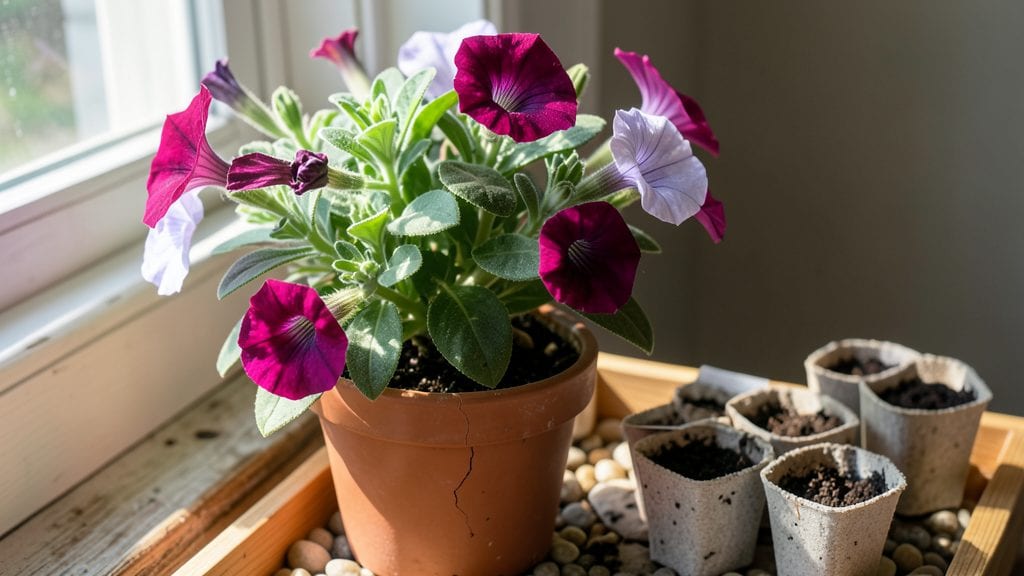
Getting petunia seeds for next year’s garden is simpler than you think—whether you’re sourcing heirloom varieties or collecting from your own blooms. ✨ I’ve saved seeds from my own petunias for three seasons now, and the key is knowing when to harvest, how to store them properly, and where to look if you prefer buying.
The right seeds mean the difference between a patch of vibrant blooms and a sad, underperforming display.
You’ll need a few basic tools: small paper envelopes for storage, a pair of clean scissors, and a dry, cool spot for seed maturation. If you’re buying seeds, reputable suppliers like Burpee or local nurseries offer high-quality, disease-resistant varieties that perform better than many store-bought plants.
For homegrown seeds, wait until the petunia flowers fade and form seed pods—then collect them before they dry completely.
The payoff is worth the effort: home-saved seeds often produce plants that match the exact colors and growth habits of your favorites. Store them in a sealed envelope in the fridge for up to a year, and you’ll have fresh stock ready for next spring’s planting.
Just be patient—some varieties take longer to mature than others, so timing is everything.
This method works for both beginners and seasoned gardeners, whether you’re filling flowerbeds or containers. The secret isn’t complicated—it’s about paying attention to the plants and following a few simple steps. Let’s get those seeds growing!
📚 In This Guide
- What you need
- Instructions
- Tips and common mistakes
- Wrapping up and next steps
What you need
- ● Mature petunia plants: Healthy, blooming petunias (preferably Petunia × hybrida or self-pollinating varieties like 'Wave' or 'Supertunia'). Aim for at least 3-5 plants for better seed yield.
- ● Scissors or pruning shears: Sharp, clean tools to harvest seed pods without damaging the plant.
- ● Brown paper bags or breathable seed envelopes: 2-3 bags (one per plant or per harvest day) to collect seeds and allow airflow.
- ● Permanent marker: To label bags with the petunia variety and harvest date.
- ○ Small mesh bags or paper towels: For drying seeds indoors (optional but helpful for bulk harvests).
- ● Glass jars or airtight containers: 1-2 jars (4 oz size) with lids for long-term seed storage.
- ○ Desiccant packets (optional but recommended): To absorb moisture and extend seed viability.
- ● Hand lens or magnifying glass: For inspecting seed pods for pests or mold.
- ● Humidity-controlled seed storage box: Ideal for preserving seeds for 2+ years.
- ● Notebook: To track seed viability, germination rates, and plant characteristics.
- ● Twine or rubber bands: To secure seed bags if they’re flimsy.
Step-by-Step guide to harvesting petunia seeds for future plantings
Here’s my foolproof method for collecting seeds from healthy petunias—no guesswork, just vibrant blooms next season.
🌿 Step 1: Select the Right Petunia Plants for Seed Collection
Choose healthy, mature petunia plants that have produced at least 10-15 blooms over the season. Look for plants with strong stems and no signs of disease—weak or leggy plants won’t yield viable seeds. I always pick the most vigorous bloomers from my collection, as they’ll produce the hardiest offspring.
Wait until late summer or early fall when the plants are fully established but still blooming actively. This timing ensures the seeds have fully matured inside the pods. If you harvest too early, the seeds won’t be ready, and if you wait too long, the pods may crack open naturally, scattering seeds before you can collect them.
✂️ Step 2: Identify and Harvest Mature Seed Pods
Petunia seed pods form after the blooms wilt and drop. Look for small, green pods that develop where the flowers once were. These pods will turn brown and papery as they mature—this is your signal they’re ready for harvest. Gently twist the pods off the stem or use clean pruning shears to snip them cleanly.
Place the harvested pods in a paper bag (not plastic—it traps moisture and encourages mold). Store the bag in a cool, dry place (around 65-70°F) for 1-2 weeks. During this time, the pods will crack open naturally, releasing seeds inside. Shake the bag occasionally to help release any stubborn seeds.
💧 Step 3: Clean and Store the Seeds Properly
Once the pods are fully open, empty the contents into a fine-mesh sieve or strainer. Use your fingers to separate the seeds from the chaff and debris. Petunia seeds are tiny and dust-like, so work gently to avoid losing them. Place the cleaned seeds in a small envelope or airtight container—I like using glass vials with tight lids for long-term storage.
Label the container with the petunia variety and the harvest date. Store the seeds in a cool, dark place (like a refrigerator) where they’ll stay viable for up to 3 years. Proper storage prevents moisture buildup, which can cause mold or premature germination.
🌱 Step 4: Test Seed Viability Before Next Planting Season
Before sowing, test a few seeds to ensure they’re still good. Place 5-10 seeds on a damp paper towel in a small plastic bag. Seal the bag and keep it in a warm spot (around 70°F). Check daily—healthy seeds should sprout within 7-14 days. If most of them germinate, your stored seeds are ready for planting.
If germination is slow or poor, try stratifying the seeds (placing them in the fridge for 2-4 weeks before sowing) to break dormancy. Once you confirm viability, you’re ready to start your next batch of petunias—just follow the same care routine for strong, vibrant blooms.
Tips & tricks for perfect petunia seed harvesting
Here's what I've learned after years of saving petunia seeds—these little details make all the difference between viable seeds and wasted effort.
Plant Selection Secret: In Step 1, focus on plants that show consistent blooming throughout the season. The most vigorous bloomers are the ones that produce the hardiest seeds. I've found that plants with at least 20 blooms (not just 10-15) yield seeds with even better germination rates. Look for stems that are sturdy but not woody—this balance ensures both seed production and plant health. The timing window in late summer/early fall is critical: aim for when your plants are still producing new blooms but the days are noticeably shorter.
Pod Maturity Cues: When harvesting in Step 2, pay close attention to the texture of those brown pods—they should feel dry and papery, almost like crumpled paper. If they're still slightly green or pliable, they need more time. I've learned to check pods every other day starting in early fall, especially if your climate has unpredictable weather patterns. The 1-2 week drying period in Step 2 works best at 65-70°F—any warmer and the seeds may dry out too quickly, losing viability.
Storage Strategy: For Step 3, I've found that using glass vials with silica gel packets creates the perfect dry environment for seed storage. The refrigerator's cool, dark conditions are ideal, but if you don't have one, a basement or root cellar works too. Labeling with both variety AND harvest date is crucial—I've had to discard seeds from previous years because I couldn't remember which varieties they were. The 3-year viability window applies to properly stored seeds in these conditions, but I've seen some varieties remain viable even longer if kept completely dry.
Germination Test Hack: When testing viability in Step 4, I've found that placing the damp paper towel setup on top of a warm (not hot) seedling heat mat at 70°F speeds up germination to just 5-7 days instead of 14. This quick test gives you confidence to move forward with planting. If you notice mold developing on the paper towel, that's your signal to clean everything thoroughly and try a fresh batch of seeds—mold means moisture levels were too high during storage.
Pro Tips for Get Petunia Seeds
- Here's what I've learned after years of saving petunia seeds—these little details make all the difference between viable seeds and wasted effort.
- Plant Selection Secret: In Step 1, focus on plants that show consistent blooming throughout the season.
- Pod Maturity Cues: When harvesting in Step 2, pay close attention to the texture of those brown pods—they should feel dry and papery, almost like crumpled paper.
Frequently asked questions
Got questions about harvesting or saving petunia seeds? You’re not alone! Here are some of the most common queries—plus straightforward answers to help you succeed.
How do I know when petunia seeds are ready to collect?
Petunia seeds ripen inside the seed pods (those dried, papery structures) after the flowers fade. Wait until the pods turn brown and feel crispy to the touch—this usually takes 4–6 weeks post-bloom. Avoid collecting seeds from pods that split open naturally, as they’ll scatter easily.
Can I save petunia seeds from store-bought flowers?
Yes! Many hybrid petunias (like Wave or Supertunia) produce viable seeds, but results may vary. For the best germination rates, opt for heirloom or open-pollinated varieties (check seed packets). Store-bought hybrids might yield unpredictable blooms—think of it as a fun experiment!
What’s the best way to store petunia seeds until planting?
Keep seeds in a cool, dry place (like a sealed envelope or jar) at room temperature (60–70°F). Avoid refrigeration unless storing long-term (up to 2 years). For extra protection, mix seeds with dry sand to prevent clumping. Label clearly—petunia seeds are tiny and easy to lose!
Why aren’t my petunia seeds germinating?
Petunia seeds need warmth, moisture, and light to sprout. Common fixes:
- Temperature: Keep soil at 70–75°F (use a heat mat if needed).
- Moisture: Mist seeds lightly daily—don’t drown them!
- Light: Place trays in a bright spot (no direct sun yet).
- Patience: Germination can take 2–4 weeks.
Can I grow petunias from seeds indoors year-round?
Start seeds 8–10 weeks before your last frost date for outdoor planting. Use seed-starting trays with sterile soil, and provide 12–16 hours of grow lights daily. Just remember: Petunias thrive in warm weather, so harden off seedlings gradually before transplanting.
Wrapping up and next steps
Growing petunias from seeds is a rewarding way to enjoy vibrant, homegrown blooms year after year! Whether you’re saving seeds from your own plants or sourcing them from trusted suppliers, the key is patience and precision—from harvesting mature seeds to proper storage and germination.
With the right techniques, you’ll be well on your way to a burst of color in next season’s garden. 🌸
Now that you’re armed with the know-how, why not take the next step? Start small—try saving seeds from just a few healthy petunias this year, or experiment with different varieties. Happy gardening, and may your garden bloom brighter than ever!