Size
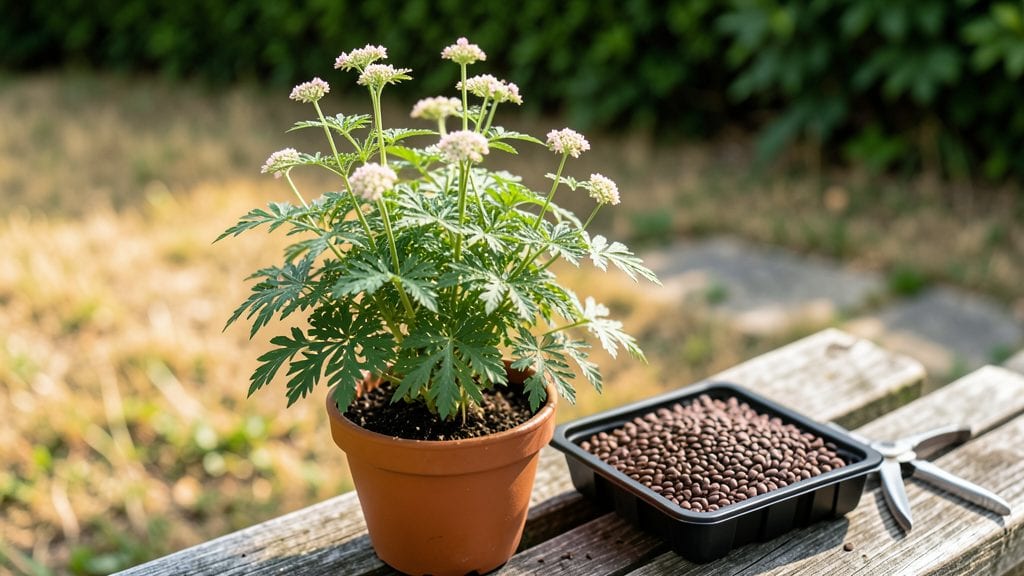
Growing cumin seeds from scratch gives you the warm, earthy spice straight from your own backyard—no store-bought jars needed. 🌱 I learned the hard way that cumin thrives best in hot, dry conditions, which makes it perfect for sunny climates or even container gardens.
The key is patience: from seed to harvest takes about 90 days, but the reward is worth it.
You’ll need well-draining soil, full sun for at least 6 hours a day, and consistent moisture—though not soggy—until germination. Start seeds indoors 8-10 weeks before the last frost, or sow directly in warm soil after all danger of frost has passed.
Spacing is crucial: plant seeds 12 inches apart in rows 18 inches apart to give them room to grow.
Once established, cumin plants are surprisingly low-maintenance. They’ll develop feathery leaves and small white flowers before the seed pods form. When the pods turn brown and dry, that’s your cue to harvest.
The seeds inside are the spice you’ll grind for cooking, and they keep their flavor for months if stored properly.
Here’s the best part: cumin grows well in containers, making it ideal for small spaces or balconies. Just ensure your pots have drainage holes and are at least 12 inches deep.
With the right care, you’ll have a steady supply of homegrown cumin—far more flavorful and satisfying than anything from the spice rack.
📚 In This Guide
- What you need
- Instructions
- Tips and common mistakes
- Wrapping up and next steps
What you need
- ● Cumin seeds: 1–2 lbs (organic, untreated seeds for best germination)
- ● Growing containers: 6-inch deep pots (if starting indoors) or a well-drained garden bed (if planting directly)
- ● Potting soil: 3–5 gallons of well-draining, organic soil mix (or garden soil amended with compost)
- ● Watering can or hose: With a gentle spray nozzle for even moisture
- ● Sunlight: Full sun (6+ hours daily) or a grow light (if indoors)
- ○ Gloves (optional): Protects hands from prickly stems
- ● Plant markers: To label cumin rows (if in a shared garden)
- ○ Fertilizer (optional): Balanced organic fertilizer (e.g., 10-10-10) or compost tea
- ○ Mulch (optional): Straw or wood chips to retain moisture
- ○ Pruning shears (optional): For harvesting mature plants
Step-by-Step instructions for growing cumin seeds
Here’s how to cultivate vibrant cumin plants in just 90 days—perfect for spice lovers and home gardeners alike!
🌱 Step 1: Start Seeds Indoors at the Right Time
Cumin thrives in warmth, so begin seeds indoors 8-10 weeks before your last frost date using the 1 packet cumin seeds and 2 seed-starting trays. Fill the trays with 2 gallons seed-starting mix and moisten it until damp but not soggy. Press the mix down gently to create a firm, even surface—this prevents seeds from sinking too deep.
Sow seeds ¼ inch deep, spacing them 1 inch apart in rows. Cover lightly with a thin layer of mix and mist the surface with water until evenly moist. Place the trays in a warm spot (70-75°F) like a sunny windowsill or under a grow light set 2-3 inches above the soil. Germination takes 7-14 days—patience is key here!
💧 Step 2: Provide Consistent Moisture and Light
Once sprouts emerge, move the trays under 12-14 hours of bright light daily—a south-facing window or grow light works best. Cumin seedlings are delicate, so avoid overwatering; keep the soil evenly moist but never waterlogged. Water from the bottom of the trays to prevent fungal issues, and use a spray bottle for gentle hydration.
Watch for first true leaves (the second set after the initial cotyledons) as a sign of strong growth. If seedlings look leggy or pale, they need more light. Thin to 1 seedling per cell if overcrowded, using clean scissors to snip at soil level. This ensures each plant gets enough nutrients to thrive.
☀️ Step 3: Harden Off and Transplant Outdoors
When nighttime temperatures stay above 50°F and 4-6 weeks after sowing, it’s time to harden off seedlings. Start by placing them outside in a sheltered spot for 1-2 hours the first day, gradually increasing exposure over 7-10 days. This prepares them for the garden’s conditions and prevents shock.
Transplant seedlings into the garden 12-18 inches apart in rows 18 inches apart, using the 1 bag potting mix amended with 1 cup compost per plant. Cumin prefers full sun (6+ hours daily) and well-draining soil. Water deeply after planting to settle the roots, then maintain 1 inch of water per week, adjusting for rain.
✂️ Step 4: Maintain and Harvest for Maximum Flavor
Cumin plants are drought-tolerant once established, but they reward consistent care. Fertilize lightly with ½ cup balanced fertilizer every 4-6 weeks after transplanting. Watch for yellowing leaves—a sign of overwatering or nutrient deficiency—and adjust care accordingly.
Harvest begins 90-100 days after sowing when seed pods turn brown and brittle. Snip pods with clean scissors and spread them on a tray to dry in a warm, dry place. Once fully dried, rub the pods between your hands to release the aromatic seeds. Store in an airtight container for up to 1 year—your homegrown spice is ready to elevate any dish!
Tips & tricks for growing cumin seeds like a Pro
Here’s what nobody tells you about growing cumin—these are the secrets that’ll transform your garden into a spice powerhouse!
The Warmth Factor: Cumin seeds need consistent warmth to germinate properly. If your home stays below 70°F, consider using a seedling heat mat set to 75°F under your trays. I learned this the hard way after waiting two weeks for seeds that never sprouted—turns out, they just needed a cozy boost!
Lighting Up the Game: Those 12-14 hours of light in Step 2 are non-negotiable for healthy seedlings. If your windowsill isn’t cutting it, invest in a basic LED grow light—it’s worth every penny. I noticed my seedlings turned pale and leggy until I upgraded to a full-spectrum bulb. Place it 2-3 inches above the plants and adjust as they grow.
Thinning Without the Guilt: When you thin to 1 seedling per cell in Step 2, don’t toss those extras! Snip them at soil level and replant in separate cells if you have space. I’ve grown extra plants this way and ended up with a mini cumin forest. Just make sure to keep the remaining seedlings well-spaced—they’ll reward you with stronger plants.
Harden Off Like a Pro: The 7-10 day hardening process in Step 3 is your secret weapon against transplant shock. Start with just 1-2 hours of outdoor time on the first day, then gradually increase. I like to place my seedlings in a sheltered spot under a tree—it gives them shade while still letting them acclimate to outdoor conditions. Watch for wilting, which means they’re getting too much sun too soon.
Pro Tips for Grow Cumin Seeds
- Here’s what nobody tells you about growing cumin—these are the secrets that’ll transform your garden into a spice powerhouse!
- The Warmth Factor: Cumin seeds need consistent warmth to germinate properly.
- Lighting Up the Game: Those 12-14 hours of light in Step 2 are non-negotiable for healthy seedlings.
Frequently asked questions
about growing cumin seeds—because even the best gardeners need a little extra guidance! Here are answers to the most common questions to help you cultivate your own fragrant harvest.How long does it take for cumin seeds to germinate?
Cumin seeds typically germinate within 7 to 14 days after planting, depending on soil temperature and moisture. For faster results, keep the soil consistently warm (around 70–85°F) and moist but not soggy. Patience is key—don’t disturb the soil while waiting!
Can I grow cumin seeds indoors or in containers?
Cumin thrives in containers at least 12 inches deep with good drainage. Use a sunny windowsill or grow lights for 6–8 hours of light daily. Just ensure the pot has drainage holes to prevent root rot—container-grown cumin can be just as flavorful as garden-grown!
What’s the best temperature for growing cumin?
Cumin loves warmth—ideal temperatures range from 70–90°F. If you’re in a cooler climate, start seeds indoors 4–6 weeks before the last frost or use a greenhouse. Avoid planting when nighttime temps drop below 50°F, as cold slows growth and can stunt plants.
Why are my cumin plants wilting or turning yellow?
Wilting or yellowing leaves usually signal overwatering, pests, or nutrient deficiencies. Check soil moisture—cumin prefers dryer conditions between waterings. Inspect for aphids or spider mites (spray with neem oil if needed). Yellowing lower leaves may also mean it’s time to fertilize lightly with a balanced organic fertilizer.
Can I harvest cumin seeds more than once per plant?
No, each cumin plant produces seeds only once during its growing cycle. However, a single healthy plant yields plenty of seeds—save some for next season! If you want continuous harvests, plant new seeds every 2–3 months in warm climates or stagger plantings for a prolonged spice supply.
Pro Tip:
Struggling with slow germination? Try soaking seeds in warm water for 24 hours before planting—it can boost sprouting success!
Wrapping up and next steps
Growing your own cumin seeds is a rewarding journey that connects you to the earth and the flavors of your favorite dishes! 🌱 With the right soil, sunlight, and patience, you’ll harvest fragrant, homegrown spices in just 90 days.
Whether you’re a beginner or a seasoned gardener, this earthy adventure is totally within reach—so roll up your sleeves and start planting!
Ready to take the next step? Try experimenting with cumin in your cooking—think curries, roasted veggies, or even homemade hummus—to savor the fruits of your labor. Happy growing! 🌟