How To
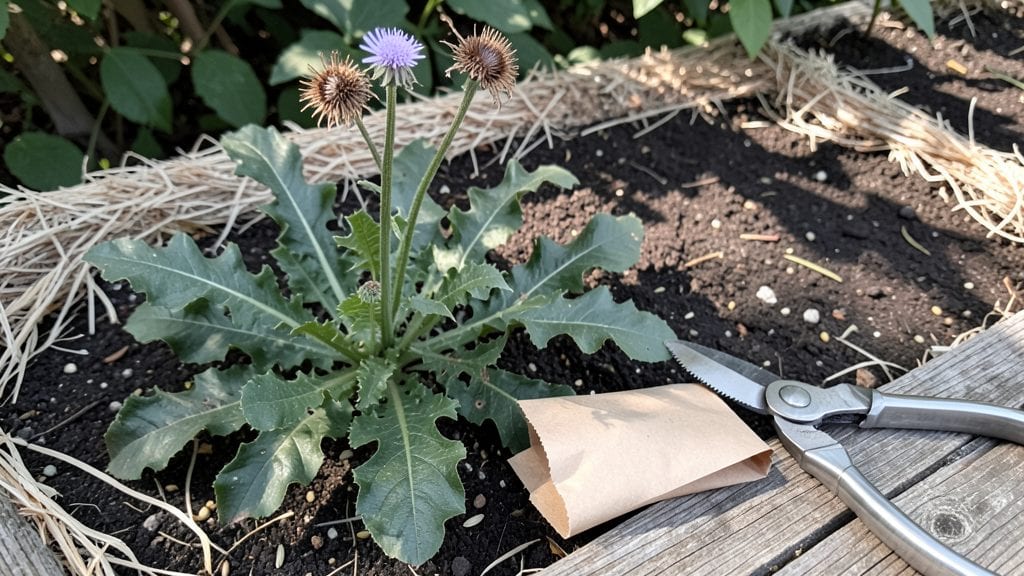
Harvesting chicory seeds is your ticket to next year’s garden—those tiny blue blooms hold the key to free, homegrown plants that thrive in USDA Zone 6a.
But here’s the catch: chicory’s delicate seed heads vanish faster than you’d think. One day they’re plump with potential, the next—gone, scattered by wind or rain. Miss the window, and you’ll be back at the nursery next spring.
Timing is everything—wait too long, and the seeds scatter; harvest too early, and they won’t germinate. Below, I’ll walk you through the exact moment to act, the tools you’ll need, and how to dry and store your seeds so they’re ready for planting by March.
No more empty seed packets or wasted blooms. By the end, you’ll know when to snip, how to process, and where to stash your harvest for a spring full of 🌱 chicory.
When to harvest chicory seeds: timing for maximum yield
Timing is everything when harvesting chicory seeds. Miss the window, and you’ll either lose seeds to premature scatter or wait too long for overripe pods that crumble at the touch.
The key is watching for three critical signs of maturity: dried seed heads, natural splitting, and a distinct rattling sound when shaken.
In my Zone 6a garden, I’ve learned that late summer—around August to early September—is the sweet spot, but your local climate may shift these dates by weeks.
Chicory thrives in cool-season conditions, so if you’re in a warmer zone (7b+), start monitoring seed heads as early as July. The goal is to collect seeds before they self-sow unpredictably or get rained on.
I once lost an entire batch because I waited too long—only to find the seeds scattered across my garden by late-September winds. Don’t let that happen to you!
Here’s the summary table for chicory seed maturity at a glance:
The rattling test is my foolproof method for confirming maturity. Hold a seed head over a white paper bag and give it a gentle shake. If seeds dust out effortlessly, they’re ready. If nothing happens, wait another 2-3 days.
Overripe seeds will scatter like confetti—a sure sign you’ve waited too long. I’ve also found that morning harvests yield the freshest seeds, as dew can cause premature splitting.
One common mistake I see is harvesting based solely on flower color. Just because the blooms fade doesn’t mean the seeds are ready. The seed heads (the dry, spiky structures) must turn tan or light brown and feel papery to the touch.
Ignore this, and you’ll end up with green, unviable seeds that won’t germinate. Always prioritize the seed head’s texture over flower appearance.
Climate plays a huge role in timing. In cooler northern regions (Zones 3-5), chicory may take until late September to mature, while southern gardeners (Zones 8-10) might see readiness as early as July.
I once grew chicory in Zone 9 and harvested seeds in June—only to have them sprout too early the next spring. To adjust, use a local frost date calculator and aim to harvest seeds 4-6 weeks before your first expected frost.
Don’t overlook the plant’s lifecycle. Chicory is a biennial, meaning it produces leaves the first year and bolts to flower the second. If you’re growing from store-bought roots, expect flowers (and seeds) 12-18 months later.
For direct-sown seeds, plan for 90-120 days to maturity. Mark your calendar now: chicory seeds are most viable when collected from healthy, disease-free plants in their second year.
Weather is another wildcard. A hot, dry spell can speed up maturity, while cool, wet conditions may delay it. I once had a batch of chicory seeds mold in the pod because I harvested after a week of rain.
If you see black or slimy seeds, toss them—they won’t germinate. Always harvest on a dry, sunny morning to minimize moisture-related issues. Pro tip: Use a fan to dry seed heads indoors if rain is forecasted.
Finally, avoid the temptation to cut seed heads too early. Immature seeds won’t germinate, and you’ll waste your effort.
Step-by-step chicory seed harvesting techniques for beginners
Harvesting chicory seeds is like catching a fleeting moment—miss the timing, and those tiny brown seeds scatter into the wind. The key is acting before the seed heads split open naturally, but after they’ve fully matured.
I’ve learned the hard way that rushing or waiting too long means losing your entire crop to birds or rain. Let’s break down the exact steps to save those seeds for next year’s garden.
You’ll need just a few simple tools: pruning shears, paper bags, and a dry, shaded workspace. Avoid plastic bags—they trap moisture and ruin seeds. I always set up a small table under my porch awning to work, keeping everything organized.
If you’re harvesting on a rainy day, cover your plants with a tarp first to protect the seeds from dampness.
Harvest when 80% of seed heads turn yellow-brown and begin splitting. Shake a head—if seeds rattle, they’re ready.
Snip 2-3 inches of stem below the head. Avoid touching mature seeds to prevent contamination.
Place each head in a labeled paper bag to catch falling seeds. Write the harvest date to track freshness.
Spread bags in a cool, dry spot (like a closet) with good airflow. Stir seeds weekly to prevent mold.
Rub dried heads between your hands or use a seed thresher to separate seeds from chaff. Sift through a mesh screen for purity.
If your chicory seed heads resist opening, try placing them in a brown paper bag overnight—the gentle heat and darkness often triggers them to release seeds. I’ve also had success gently crushing stubborn pods with a rolling pin (wear gloves!).
Just avoid pressing too hard, or you’ll crush the seeds themselves. For large harvests, a seed-cleaning kit with a fan attachment works wonders.
Once dried, store seeds in airtight containers like glass jars with silica gel packets. Label with the harvest year and variety (e.g., "Radicchio Endive, 2024"). Keep them in a cool, dark pantry—chicory seeds stay viable for 2-3 years under ideal conditions.
Test germination annually by planting a few seeds in damp paper towels.
Weather can throw off your harvest timing. If rain is forecasted, rush to collect seeds before the forecasted downpour. I once lost a batch because I underestimated a summer storm—now I check the 5-day forecast before harvesting.
Humidity is your enemy; if seeds feel damp after drying, spread them out again until fully dry to prevent mold.