Flowers
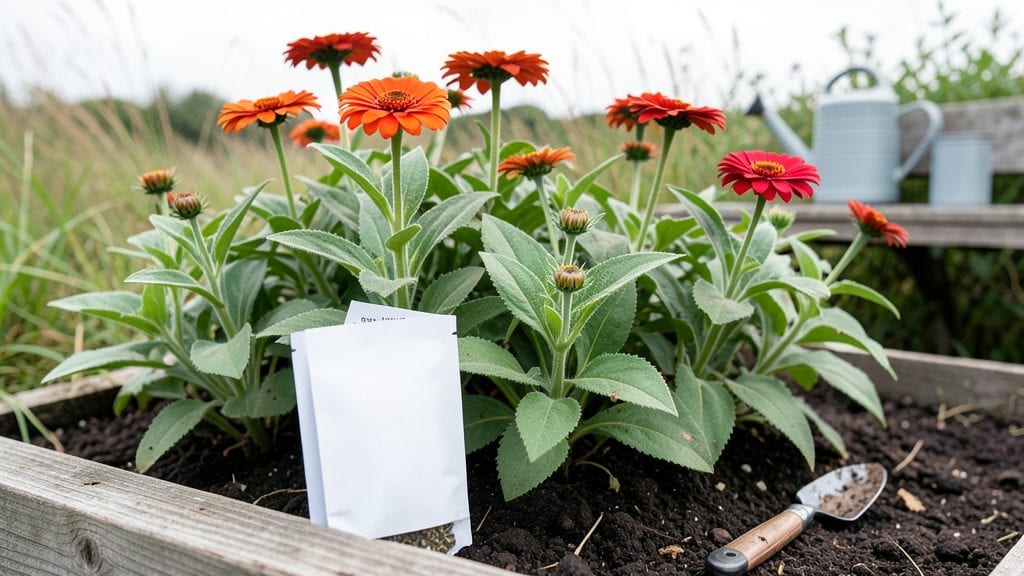
Finding inexpensive flower seeds that still pack a punch is like discovering a hidden garden treasure—it’s all about knowing where to look. 🌻 I’ve saved hundreds over the years by sticking to trusted sources like seed swaps, discount catalogs, and even grocery store sales, all while growing vibrant blooms that last from spring through frost.
The secret isn’t sacrificing quality—it’s smart shopping. Look for heirloom varieties, bulk seed packs, and late-season sales where prices drop by half. A single packet of zinnias or cosmos can produce enough flowers to fill a vase for weeks, and many annuals self-seed, giving you free plants next year.
Even a small windowsill or balcony can become a riot of color with the right choices.
Once planted, these budget-friendly blooms demand minimal fuss: consistent watering, a little deadheading, and maybe some morning sun. You’ll end up with cut flowers for the table, pollinators buzzing around your space, and a garden that feels like a luxury—without the price tag.
The payoff? A yard that looks like it belongs in a magazine, not a seed packet.
This works year-round with the right timing—cool-season flowers in early spring or fall, heat-loving varieties in summer, and even winter-blooming pansies in mild climates. Let’s turn those cheap seeds into a showstopper garden.
📚 In This Guide
- What you need
- Instructions
- Tips and common mistakes
- Wrapping up and next steps
What you need
- ● Inexpensive flower seeds: Choose from sunflowers, marigolds, zinnias, or cosmos (packets typically cost $1–$3). Aim for 1–2 packets to start.
- ● Seed-starting mix: A lightweight, sterile potting soil (5–10 lbs, depending on your setup). Avoid garden soil—it’s too dense for seeds!
- ● Containers or trays: Seedling trays (with drainage holes) or small pots (3–4 inches deep).
- ● Reusable options: Egg cartons, yogurt cups, or recycled containers (sterilized with boiling water).
- ● Watering can or spray bottle: A gentle misting tool prevents seeds from washing away.
- ○ Clear plastic wrap or humidity dome: Helps retain moisture while seeds germinate (optional but helpful for beginners).
- ● Gloves: Protects hands from soil and thorns (e.g., sunflower seeds).
- ● Plant labels: Toilette paper rolls or wooden sticks + markers to track varieties.
- ● Grow lights or sunny windowsill: 6–8 hours of light daily (south-facing windows or LED grow lights work best).
- ○ Fertilizer: A balanced, water-soluble fertilizer (5–10–5 ratio) for transplanting (optional but boosts growth).
- ● Mulch or pebbles: For outdoor beds to retain moisture and deter weeds.
Step-by-Step guide to growing inexpensive flower seeds
Here's how to transform a small budget into a vibrant garden full of seasonal blooms.
🌱 Step 1: Select the Right Seeds for Year-Round Color
Start with fast-growing annuals like marigolds, zinnias, and cosmos—they're cheap, hardy, and bloom quickly. I always check seed packets for days to maturity and pick varieties that fit my climate zone. For example, cosmos seeds germinate in 7-10 days and flower in 60 days, while marigolds pop up in 5-7 days and bloom in 45 days. These are my go-to budget picks because they self-seed easily, saving me money year after year.
Skip expensive hybrid seeds unless you're growing for cut flowers. Instead, focus on heirloom varieties—they're often cheaper, more resilient, and sometimes even tasty (like nasturtiums). A $2 packet of mixed zinnias gives me 50+ plants, while a single $5 hybrid petunia might only yield 6. Do the math before you buy.
💧 Step 2: Prep Soil and Sow Seeds Correctly
Use well-draining potting mix (never garden soil) in 4-inch pots or a seed-starting tray—this keeps costs down while preventing damping-off. I like to mix in a tablespoon of compost per pot to give seedlings a nutrient boost without overfeeding. Fill containers to ½ inch from the top, then gently press the mix down so it's firm but not compacted.
Scatter seeds thinly—don't crowd them (I use tweezers for tiny seeds like snapdragons). Cover with ¼ inch of soil (or less for tiny seeds) and mist lightly with water until the surface looks evenly damp but not soggy. Place pots in a humidity dome or cover with plastic wrap to retain moisture. Keep them in a warm spot (70-75°F)—a sunny windowsill or under a grow light works perfectly.
☀️ Step 3: Germinate and Transplant at the Right Time
Most inexpensive flower seeds germinate in 5-14 days—check the packet for specifics. Once sprouts appear, remove the humidity cover immediately to prevent mold. Water from the bottom (place pots in a tray of water for 10 minutes) to encourage deep root growth. You'll know they're ready to transplant when they have 2-3 true leaves and look sturdy, not leggy.
Hardening off takes 7-10 days—start by moving pots outside for 1 hour daily, gradually increasing time. Watch for wilting or yellowing leaves (a sign they're not ready). Plant in full sun (6+ hours daily) and space seedlings 6-12 inches apart, depending on the variety. I always plant marigolds first as a natural pest deterrent, then fill gaps with cosmos or sunflowers later in the season.
✂️ Step 4: Maintain Blooms Without Breaking the Bank
Deadhead spent blooms weekly to encourage more flowers—this is free labor that pays off in nonstop color. I use scissors or fingers to snip off faded blooms just above a set of leaves. For self-seeding flowers like zinnias or cosmos, let some stems go to seed at the end of the season—they'll sprout on their own next year.
Water deeply every 2-3 days (check when the top inch of soil feels dry). Avoid wetting leaves to prevent fungal diseases. If you notice yellow leaves, it's usually overwatering—let the soil dry out more between waterings. A mulch layer (1 inch of straw or grass clippings) keeps moisture in and weeds out, saving time and money.
🌿 Step 5: Extend the Season for Free Blooms
In cooler climates, protect late-season blooms with row covers or cloches—they're cheap and extend the season by 4-6 weeks. I reuse plastic milk jugs (cut in half) as mini cloches for tender seedlings. For winter interest, plant pansies or violas in fall—they thrive in cool weather (40-60°F) and bloom until spring.
Save seeds from your best plants! Let a few flowers go to seed, then collect and dry them before storing in envelopes. Next year, you'll have free plants with no seed costs. I always label my saved seeds by writing the variety on the envelope—no more guessing what you'll grow!
Tips & tricks for perfect year-round flower gardens on a budget
These simple strategies will help you maximize your dollar while creating a garden that blooms continuously—without the expensive mistakes I made early on.
Seed Selection Strategy: When choosing seeds, prioritize varieties with fast germination times like marigolds (5-7 days) and cosmos (7-10 days) over slower growers. I always buy heirloom seeds from reputable seed swaps or dollar stores—they're often just as good as name brands. For example, that $1 packet of mixed cosmos seeds will give you dozens of plants, while a single hybrid petunia costs five times more for fewer blooms. Look for seed packets labeled "open-pollinated" or "heirloom" to save seeds for next year.
Soil Prep Hack: The tablespoon of compost per pot in Step 2 is your secret weapon for stronger seedlings. I make my own compost from kitchen scraps and garden waste—it's free and packed with nutrients. If you don't have compost, use a balanced organic fertilizer (10-10-10) diluted to half strength when transplanting. The key is to avoid overfeeding—young seedlings prefer gentle nutrition over strong doses that can burn their delicate roots.
Germination Troubleshooting: If your seeds aren't sprouting within the 14-day window mentioned in Step 3, check three things first: moisture (should feel like a damp sponge), temperature (keep between 70-75°F), and seed freshness (older seeds germinate poorly). I've found that soaking seeds overnight in lukewarm water before planting can help break dormancy for stubborn varieties like snapdragons. Just remember to plant them immediately after soaking—they'll dry out quickly.
Transplanting Timing: The 7-10 day hardening off period in Step 3 is where most beginner gardeners fail. Start with just 1 hour outside daily, then gradually increase exposure. I test readiness by gently tugging on a leaf—if it stays attached, the plant's strong enough. Watch for yellowing leaves (a sign of shock) and provide afternoon shade during the first few days. This gradual approach prevents transplant shock that can kill tender seedlings.
Pro Tips for Inexpensive Flower Seeds
- These simple strategies will help you maximize your dollar while creating a garden that blooms continuously—without the expensive mistakes I made early on.
- Seed Selection Strategy: When choosing seeds, prioritize varieties with fast germination times like marigolds (5-7 days) and cosmos (7-10 days) over slower growers.
- Soil Prep Hack: The tablespoon of compost per pot in Step 2 is your secret weapon for stronger seedlings.
Frequently asked questions
Got questions about growing stunning blooms without breaking the bank? Here are answers to the most common queries about inexpensive flower seeds—so you can garden with confidence!
What’s the best time to plant inexpensive flower seeds?
Timing depends on your climate and flower type! For cool-season flowers (like pansies or snapdragons), plant in early spring or late summer. Warm-season bloomers (e.g., marigolds or zinnias) thrive when soil reaches 60°F+—usually after the last frost. Always check the seed packet for specifics!
Where can I find the cheapest flower seeds?
Skip big-box stores—focus on discount seed swaps, online bulk sellers (like Baker Creek or Etsy), or local gardening groups. Thrift stores and garage sales sometimes hide hidden seed gems too! Pro tip: Buy heirloom or open-pollinated varieties—they’re often cheaper and save-able for next year.
Do I need special soil for inexpensive flower seeds to grow?
Not necessarily! Most flowers thrive in well-draining, fertile soil mixed with compost. Skip pricey "flower-specific" blends—amend your garden soil with organic matter (like peat moss or aged manure) for half the cost. Troubleshooting: If seeds aren’t sprouting, test drainage (water shouldn’t pool).
How much sunlight do budget-friendly flowers really need?
Sunlight needs vary! Sun-lovers (e.g., sunflowers, cosmos) need 6+ hours daily, while shade-tolerant picks (like impatiens or bleeding hearts) thrive in 4–6 hours. Check seed packets for light requirements—most budget seeds label this clearly. Bonus: Rotate pots for even sun exposure if space is tight!
Can I grow flowers from inexpensive seeds indoors year-round?
Start slow-growers (like African violets or herbs like basil) indoors with a grow light (or sunny windowsill). For outdoor flowers, use a seed-starting kit ($10–$20) to jumpstart growth before transplanting. Warning: Avoid overwatering—seedlings rot faster indoors!
What if my inexpensive seeds don’t sprout?
Don’t panic! First, check moisture (soil should stay damp but not soggy). If seeds are old (<2 years), germination drops—test a few in a damp paper towel for viability. Quick fix: Pre-soak seeds overnight for stubborn varieties. Still no luck? Try a seed swap or ask local gardeners for tips!
Wrapping up and next steps
Growing beautiful flowers doesn’t have to break the bank—with inexpensive flower seeds, you can enjoy vibrant blooms year-round while keeping costs low! Whether you’re a beginner or a seasoned gardener, the key is to start small, choose the right seeds, and nurture them with care.
The possibilities are endless, from sunny marigolds to delicate pansies, all waiting to transform your space into a colorful paradise.
Ready to get started? Pick your favorite seeds, grab your gardening tools, and plant your first batch today! 🌸 Your garden—and your wallet—will thank you.