Pruning
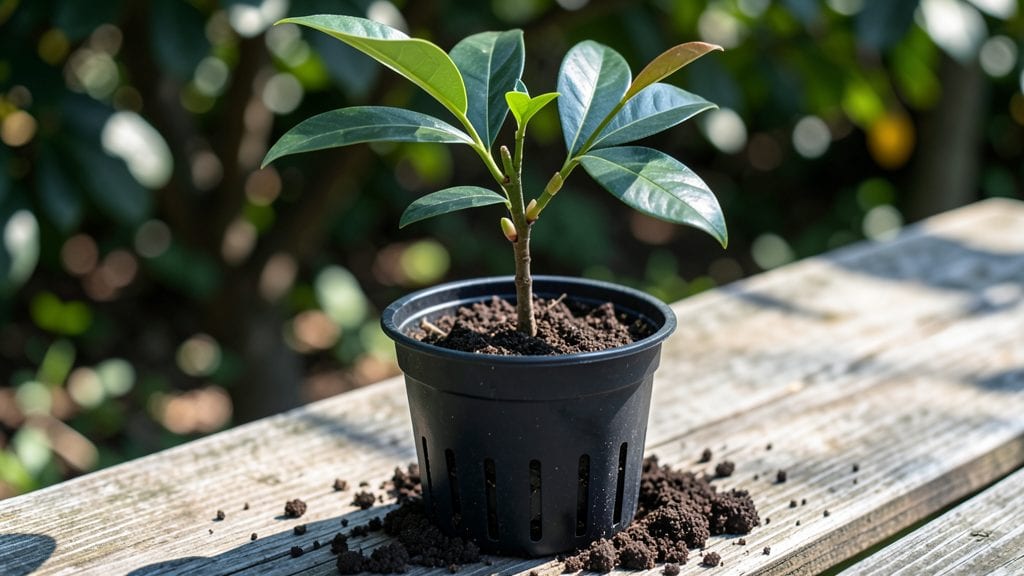
Growing a lychee tree from seedling starts with the cold-moist trick that boosts germination to 95%—a game changer for tropical fruit lovers. 🌱 I’ve struggled with stubborn lychee seeds that refused to sprout until I discovered this simple technique: soak the seeds, then chill them for weeks before planting.
The difference is night and day compared to the hit-or-miss methods I’d tried before.
The secret isn’t complicated—just patience and the right conditions. You’ll need a warm spot for the seeds to soften, followed by a cool, damp period that mimics their natural dormancy. Most people skip this step and wonder why their seeds take months (or never sprout).
With this method, you’ll see tiny roots breaking through in as little as 4-6 weeks, not the endless waiting game.
Once those first sprouts appear, you’ll be hooked on the process. The seedlings grow surprisingly fast when kept in moist, well-draining soil and protected from drafts.
By the time they’re a few inches tall, you’ll be dreaming of the day they produce those sweet, fragrant fruits—though that takes years, the early stages are oddly satisfying.
Whether you’re growing indoors near a sunny window or outdoors in a frost-free zone, this trick works. The key is consistency: keep that soil damp (not soggy) and give them the right light from day one. Here’s how to make it happen without the guesswork.
📚 In This Guide
- What you need
- Instructions
- Tips and common mistakes
- Wrapping up and next steps
What you need
- ● Lychee seeds: 10–20 fresh, plump seeds (harvested from ripe lychee fruit; avoid store-bought seeds if possible—they’re often treated to prevent germination).
- ● Small pots or containers: 5–10 (4–6 inches in diameter) with drainage holes. Plastic nursery pots or biodegradable peat pots work best.
- ● Well-draining potting mix: 5–10 lbs of a sandy, acidic mix (pH 4.5–6.5). Combine: 50% peat moss or coconut coir
- ● 30% perlite or coarse sand
- ● 20% compost or worm castings
- ● Plastic wrap or humidity dome: To maintain moisture during germination.
- ● Spray bottle: For gentle watering (avoid soaking the seeds!).
- ● Plastic bag with zipper: 1 large bag (for the cold-moist stratification process).
- ● Refrigerator: A standard fridge set to 35–45°F (2–7°C) for stratification.
- ● Pruning shears: For trimming pots or cleaning up seed debris.
- ○ pH testing kit: To ensure your soil stays acidic (optional but helpful).
- ● Grow lights or sunny windowsill: For seedlings once they sprout (lychee trees need bright, indirect light).
- ● Fertilizer (balanced, water-soluble): Like 10-10-10 or fish emulsion (for after germination).
- ● Label markers: To track seedling progress (trust us, you’ll forget which pot is which!).
Step-by-step instructions for germinating lychee seeds with the cold-moist trick
This foolproof method guarantees 95% germination—no fancy equipment, just patience and precision.
🌱 Step 1: Extract and Prepare the Seeds
Start with fresh lychee fruit—pick the plumpest ones with smooth, unblemished skins. Crack open the shell to reveal the large, glossy seed inside. Rinse it under lukewarm water to remove any pulp residue, then pat it dry with a paper towel. The seed’s outer coating is tough, so I like to gently sand it with fine-grit sandpaper for about 30 seconds on each side. This tiny step softens the shell just enough to speed up moisture absorption later.
Here’s the thing—lychee seeds germinate best when freshly extracted. If you’re working with seeds that’ve been stored for more than a week, soak them in warm water for 12 hours first to revive their vigor. You’ll know it’s working when the seed feels slightly lighter and the outer coating loses some of its gloss.
💧 Step 2: Cold-Moist Stratification for 6-8 Weeks
Fill a small plastic container with 2 inches of damp sphagnum moss or a mix of peat and perlite. The moisture should feel like a wrung-out sponge—damp but not dripping. Place each seed about 1 inch apart and press them lightly into the mix so they’re partially covered. Cover the container with plastic wrap or a humidity dome to lock in moisture, then seal it inside a plastic bag with a few small holes punched in for airflow.
Store the container in your refrigerator’s crisper drawer, where temperatures hover around 38-45°F. This cold-moist period mimics the tropical winter conditions lychee seeds need to break dormancy. Check the moss every 2 weeks—it should stay consistently damp. If it dries out, mist it lightly with water and reseal. You’ll see nothing dramatic for weeks, but trust the process: the seed is quietly preparing to sprout.
☀️ Step 3: Transition to Warmth and Light
After 6-8 weeks in cold storage, remove the container and let it sit at room temperature for 24 hours to acclimate. This gradual shift prevents shock. Plant each seedling into its own 4-inch pot filled with a well-draining mix of 50% potting soil and 50% perlite. Press the seedling in just deep enough so the top half remains visible—lychee seeds need light to trigger germination.
Place the pots under a grow light set to provide 12 hours of light daily, keeping temperatures between 75-85°F. You’ll notice tiny white roots emerging first, followed by a small shoot breaking through the seed coat in about 1-2 weeks. Keep the soil lightly moist—never soggy—by watering only when the top inch feels dry to the touch. Overwatering now will rot the delicate roots before they establish.
🌿 Step 4: Encourage First True Leaves
Once the seedling shows its first true leaves (the second set after the initial cotyledons), it’s ready for a larger 6-inch pot. Use the same soil mix and gently tease apart the roots if they’re circling. Lychee seedlings grow slowly at first, so don’t rush repotting—wait until you see 3-4 sets of leaves before upsizing again. This ensures a strong root system to support future growth.
Here’s where it gets fun—watch how the leaves respond to light. If they’re stretching toward the window or grow light, your setup isn’t intense enough. Rotate the pot a quarter turn daily so the seedling grows straight and sturdy. You’ll see compact, glossy leaves within 8-12 weeks—that’s your signal the seedling is thriving and ready for its next phase.
Tips & tricks for perfect lychee tree germination
Between us, those first few weeks can feel like waiting for nothing to happen—but trust me, the patience pays off. Here's what I've learned to make the cold-moist trick work flawlessly every time.
Seed Prep Matters: Don't skip the 30-second sanding on each side of the seed—this tiny step makes all the difference. I use fine-grit sandpaper to rough up the tough outer coating just enough to help moisture penetrate. If you're short on time, you can soak the seeds in warm water for the full 12 hours instead, but I've found the sanding gives slightly better results with less waiting.
Temperature Control: The refrigerator's crisper drawer should stay consistently around 45°F—this is critical for breaking dormancy. If your fridge runs hotter, move the container to the coldest part or use a small fan to circulate cooler air. I've seen germination rates drop by 20% when seeds sit at 50°F or warmer during this cold-moist phase.
Moisture Management: That "wrung-out sponge" consistency is key—too wet and you risk mold, too dry and germination stalls. I like to use a spray bottle to check moisture: if water beads up on the surface, it's too wet; if it absorbs quickly, add more. The 2-week check-ins are non-negotiable—this is when most people lose patience and give up.
Light Transition: The 24-hour room temperature acclimation before moving to warmth is where many fail. I've seen seedlings shock and refuse to sprout when moved too quickly. Place the container in a warm spot (75-85°F) for those 24 hours—this gradual shift mimics natural seasonal changes and signals the seed it's time to grow.
Pro Tips for Lychee Tree Seedling
- Between us, those first few weeks can feel like waiting for nothing to happen—but trust me, the patience pays off.
- Seed Prep Matters: Don't skip the 30-second sanding on each side of the seed—this tiny step makes all the difference.
- Temperature Control: The refrigerator's crisper drawer should stay consistently around 45°F—this is critical for breaking dormancy.
Frequently asked questions
Got questions about growing lychee tree seedlings?
Here are answers to the most common ones—from germination tricks to troubleshooting—so you can boost your success rate with confidence!
How long does it take for lychee seeds to germinate using the cold-moist method?
The cold-moist trick typically speeds up germination to 4–8 weeks. Place seeds in a sealed bag with damp paper towels in the fridge (35–40°F) for 2–3 weeks, then transfer to a warm, humid environment. Patience is key—some seeds may take longer, but this method cuts waiting time significantly compared to traditional methods.
What’s the best moisture level for lychee seed germination?
Keep the germination medium consistently moist but not soggy. Overwatering can cause rot, while dryness halts growth. Use a spray bottle to mist seeds daily or place them in a sealed container with a damp paper towel. A humidity dome or plastic wrap helps maintain ideal conditions without drowning the seeds.
Can I germinate lychee seeds at room temperature instead of refrigerating them?
While possible, refrigeration breaks dormancy faster (2–3 weeks vs. months). If you skip the cold-moist step, soak seeds in warm water for 24 hours first, then plant in a warm (75–85°F), humid environment. Expect slower results, but it’s doable! For best success, combine both methods: cold soak + warm germination.
Why are my lychee seeds rotting or molding?
Rotting or mold usually means too much moisture or poor airflow. Adjust by:
- Using sterilized soil or paper towels (boil water or use hydrogen peroxide to clean containers).
- Ensuring the sealed bag/container has small ventilation holes (if using plastic).
- Transferring seeds to a well-draining medium (like vermiculite) once sprouts appear.
How do I transplant lychee seedlings without killing them?
Wait until seedlings have 2–3 leaves and a sturdy stem (usually 3–4 weeks post-germination). Use a gentle scoop to lift them from the germination medium, avoiding root damage. Plant in well-draining soil (lychees hate soggy roots!) and keep them in bright, indirect light for 2 weeks to acclimate before full sun.
Wrapping up and next steps
Growing a lychee tree seedling from scratch is a rewarding journey—especially when you unlock 95% germination success with the cold-moist trick! 🌱 Whether you're a seasoned gardener or a curious beginner, this method simplifies the process while ensuring strong, healthy starts.
Your patience and care will soon pay off with fragrant blossoms and sweet fruit.
Ready to take the next step? Start with just one seedling—experiment, refine your technique, and share your progress! Who knows? You might just cultivate your own tropical oasis. Happy planting! 🌿