Pruning
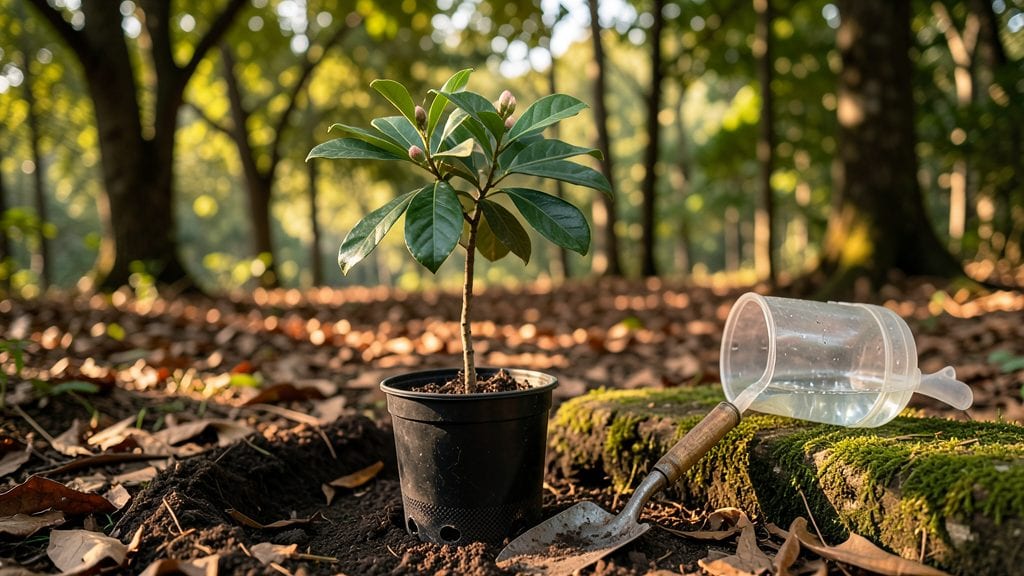
Growing a macadamia tree from a seedling starts with cold stratification—this 4-6 week process mimics winter and tricks the seed into thinking it's time to wake up. I learned the hard way that skipping this step means waiting months, if not years, for germination.
The key is patience and precision, but once you see that first pale green shoot, it’s worth every week.
You’ll need just three things: the seedling itself, a damp paper towel or peat moss, and a sealed plastic bag. Place it in the fridge for the full duration, checking weekly to keep it moist—no soggy messes, just consistently damp.
This method works best for tropical/subtropical climates, but even cooler zones can try it with adjusted timing. The payoff? Faster sprouting and a head start on growing a tree that could live for decades.
By the time you plant, you’ll have a seedling that’s ready to take root in well-draining soil. Picture a small pot with a mix of sand, perlite, and compost—light, airy, and perfect for mimicking the tree’s native habitat.
Keep it in bright, indirect light at first, then gradually introduce full sun as it grows. Within 8-12 weeks of planting, you might even see the first signs of true leaves, not just the initial sprouts.
Here’s the thing—macadamia seedlings are stubborn little things. They’ll test your patience with slow growth or even stalling, but with the right care, you’ll break through that barrier. The first year is all about nurturing, not rushing.
Once established, though, your tree could reward you with nuts in 7-10 years, but the journey starts now with that cold stratification step.
📚 In This Guide
- What you need
- Instructions
- Tips and common mistakes
- Wrapping up and next steps
What you need
- ● Macadamia nut seed: A fresh, high-quality nut with a hard shell (ensure it’s not roasted or processed). Quantity: 1 per seedling.
- ● Cold stratification setup: Plastic bag or airtight container: A quart-sized ziplock bag or small plastic tub with a secure seal.
- ● Moistened growing medium: 3-4 cups of sphagnum moss or a mix of peat moss + perlite (50/50 ratio). Keep it damp (not soggy).
- ● Planting container: A 4-6 inch nursery pot with drainage holes or a small seed tray for post-stratification.
- ● Well-draining potting mix: 2-3 gallons of a blend designed for acid-loving plants (e.g., 50% peat moss + 30% pine bark + 20% perlite).
- ● Pruning shears or knife: For gently cracking the nut’s shell (if needed) after stratification.
- ● Thermometer: To monitor cold stratification temps (35–45°F is ideal).
- ○ Humidity dome or plastic wrap: To retain moisture during germination (optional but helpful).
- ● Grow lights or sunny windowsill: For post-stratification light exposure (macadamia seedlings need bright, indirect light).
- ● Fertilizer (low-nitrogen): A balanced 10-10-10 or organic compost to introduce after sprouting.
Step-by-step instructions for cold stratifying macadamia tree seedlings
Here’s how to break dormancy and trigger faster sprouting in just a few months.
Collect and Prepare Fresh Macadamia Nuts
Gather fresh, mature macadamia nuts from the tree—green shells mean they’re ready for stratification. The key is to use nuts that have fully ripened but haven’t dried out. Crack open the hard outer shell to expose the seed inside, but leave the brown husk intact. This husk protects the seed from drying while allowing moisture to penetrate during stratification.
If the nuts are too dry, soak them in lukewarm water for 24 hours before starting. You’ll know they’re ready when the husk softens slightly and the seed feels plump. Avoid over-soaking—waterlogged seeds can rot. Once prepped, let them air-dry on a paper towel for 2-3 hours to remove excess moisture before moving to the next step.
Layer Nuts in a Moistened Growing Medium
Fill a shallow container (like a seed tray or plastic bin) with a mix of moistened peat moss and perlite—this ensures good drainage while keeping humidity high. The medium should feel damp like a wrung-out sponge, not soggy. Arrange the macadamia seeds 1-2 inches apart in a single layer, placing them 1 inch deep into the mix. Press lightly to secure them without compacting the soil.
Cover the container with a clear plastic lid or wrap it in plastic wrap to create a humid environment. This mimics the natural moisture conditions of forest floors where macadamia trees grow. Poke a few small holes in the plastic to allow airflow—you want to prevent mold while keeping the seeds hydrated. Store the container in a cool, dark place like a garage or basement.
Stratify for 8-12 Weeks at 40-50°F
Cold stratification is critical for breaking dormancy. Keep the container at a consistent 40-50°F for 8-12 weeks. Check the moisture level every 2-3 weeks—the mix should never dry out completely, but it shouldn’t feel waterlogged either. If the top layer feels dry, lightly mist it with water. Avoid disturbing the seeds; macadamia nuts are sensitive to movement during this phase.
You’ll know stratification is working when the husks begin to split slightly or soften. This usually happens around 6-8 weeks, but some seeds may take longer. Patience is key—rushing this step can result in poor germination. If mold appears, increase airflow by loosening the plastic or moving the container to a drier spot.
Transition to Warmth and Light
After 8-12 weeks, transfer the container to a warm, bright location with temperatures between 65-75°F. Remove the plastic cover to expose the seeds to indirect light. Keep the growing medium consistently moist—not soggy, but never allowed to dry out. Germination can take another 4-12 weeks, depending on the seed’s readiness.
Once sprouts emerge, move them to small individual pots filled with a well-draining potting mix. Place the pots under grow lights or in a sunny window (6+ hours of light daily) to prevent leggy growth. Water gently at the base, avoiding the leaves to reduce disease risk. You’ll see true leaves develop in 4-6 weeks, signaling it’s time to transplant outdoors in a warm climate.
Acclimate Seedlings Before Planting Outdoors
Before moving seedlings outside, harden them off over 2-3 weeks. Start by placing them in a sheltered, shaded spot for 1-2 hours the first day, gradually increasing exposure to full sun and wind over time. Watch for wilting or yellowing leaves—these are signs the transition is too fast. A slow acclimation ensures stronger roots and better survival rates.
Plant outdoors only after the last frost when soil temperatures stay above 60°F. Choose a location with well-draining soil and partial shade for the first year. Mulch around the base to retain moisture and protect young roots. With proper care, your macadamia seedlings will establish quickly and reward you with nuts in 5-7 years.
Tips & tricks for perfect macadamia tree seedling stratification
Cold stratification might seem like a slow process, but these key tips will help you achieve faster, healthier sprouting while avoiding common pitfalls.
Timing is Everything: The 24-hour soak in Step 1 is crucial for rehydrating dry nuts, but don't exceed this time. I've seen seeds swell too much and split prematurely when soaked longer. After soaking, those 2-3 hours of air-drying on a paper towel are equally important—they prevent mold while keeping the seeds ready for planting. Think of it as a delicate balance between hydration and preservation.
Medium Matters: When mixing peat moss and perlite in Step 2, aim for a ratio that's about 70% peat moss to 30% perlite. The peat moss retains moisture while the perlite prevents compaction and promotes airflow. I've found that using a shallow container with drainage holes makes all the difference—it keeps the medium from becoming waterlogged, which can lead to root rot. Trust me, this small detail saves countless seedlings.
Temperature Consistency: Maintaining that 40-50°F range during the 8-12 week stratification in Step 3 is where most people struggle. I recommend using a refrigerator set to 40°F as your backup if your cool, dark location isn't consistent. The seeds need this cold period to break dormancy, but even slight temperature fluctuations can delay germination. A small digital thermometer placed near the container gives you peace of mind.
Visual Cues for Success: In Step 4, watch for the husks to split slightly around 6-8 weeks—that's your first sign the stratification is working. Once you move to warmth and light, look for tiny white roots emerging from the seeds. These roots signal it's time to transplant to individual pots. I've learned that patience here pays off—rushing to move seeds too soon often results in weak, leggy seedlings that struggle to establish.
Pro Tips for Macadamia Tree Seedling
- Cold stratification might seem like a slow process, but these key tips will help you achieve faster, healthier sprouting while avoiding common pitfalls.
- Timing is Everything: The 24-hour soak in Step 1 is crucial for rehydrating dry nuts, but don't exceed this time.
- Medium Matters: When mixing peat moss and perlite in Step 2, aim for a ratio that's about 70% peat moss to 30% perlite.
Frequently asked questions
Got questions about growing macadamia tree seedlings? You’re not alone—these nutty little plants have their quirks! Here are the answers to the most common queries to help you get sprouting like a pro.
How long does cold stratification take for macadamia seedlings?
Cold stratification typically lasts 60–90 days in a moist, refrigerated environment (35–45°F). For macadamia nuts specifically, extend this to 90–120 days—they’re picky! Monitor moisture (keep it damp but not soggy) and check for sprouts every 2–3 weeks. Patience pays off—skipping this step often results in slow or no germination.
Can I speed up the sprouting process?
While you can’t shorten cold stratification, you can optimize conditions to encourage faster, healthier sprouts. Use a mix of peat moss and perlite for airflow, maintain consistent moisture, and avoid temperature swings. Once stratified, transfer seedlings to warmth (70–80°F) and bright, indirect light to kickstart growth. Think of it like giving your nuts a cozy, timed wake-up call!
What’s the best soil mix for macadamia seedlings?
Macadamia seedlings thrive in well-draining, slightly acidic soil (pH 5.5–6.5). A custom blend of 60% peat moss, 20% perlite, and 20% coarse sand mimics their native habitat. Avoid heavy clay—root rot is a real risk! For containers, ensure drainage holes and use a slow-release fertilizer (like 10-10-10) sparingly until established.
Why aren’t my macadamia nuts sprouting after stratification?
If your nuts refuse to sprout post-stratification, check these common culprits:
- Under-stratified: Extend cold treatment to 120 days.
- Too dry or moldy: Refresh the moist medium and re-stratify.
- Old or damaged nuts: Use plump, blemish-free nuts (store-bought roasted nuts won’t work—they’re dead!).
- Temperature stress: Keep it consistent—no freezing or thawing cycles.
If all else fails, try scarifying the nut (lightly sanding the shell) to break dormancy.
Can I grow macadamia trees from store-bought nuts?
Technically yes, but with a big caveat: Store-bought roasted or salted macadamia nuts are non-viable—they’re processed to kill dormancy. For success, use raw, fresh nuts from a tree (or a specialty nursery). Even then, germination rates are low (5–30%), so buy seedlings if you’re serious about growing!
Wrapping up and next steps
Growing a macadamia tree seedling from scratch is a rewarding journey, and cold stratification is your secret weapon for faster, healthier sprouts!
By following the right timeline—typically 6 to 12 weeks—you’ll give those tiny seeds the best chance to burst into life. 🌱 Whether you’re a seasoned gardener or a curious beginner, patience and the right techniques will pay off with lush, thriving trees.
Ready to take the next step? Once your seeds complete stratification, plant them in well-draining soil and keep them cozy in a warm, bright spot. Watch those first leaves emerge—you’re officially on your way to a homegrown macadamia harvest! 🌟