Lawn
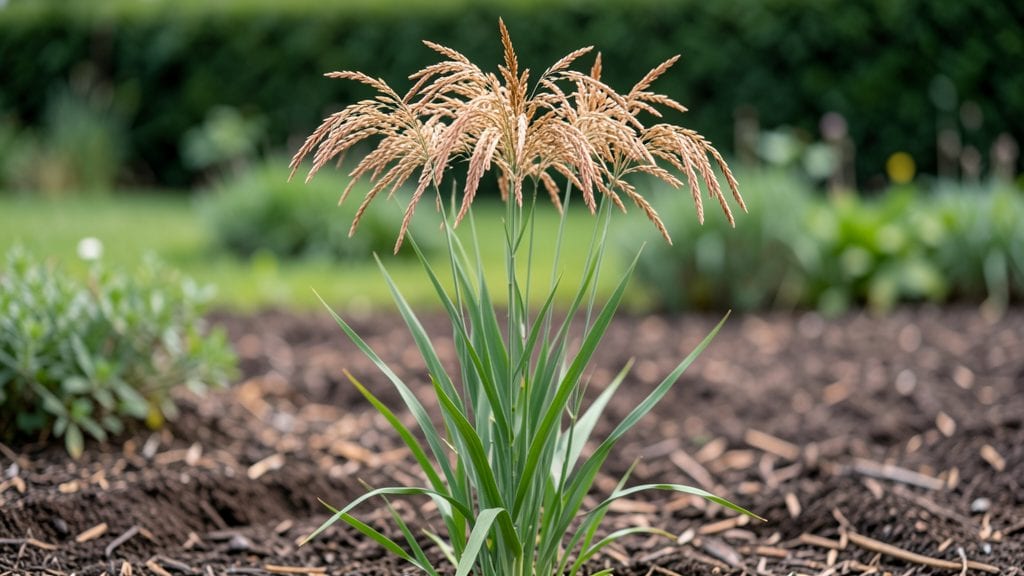
That feathery millet seed head transforms a bare fence into a lush, whispering privacy screen in just three years. 🌾 I planted mine last spring along our south-facing property line, and by summer’s end, the golden plumes swayed like a natural wind chime—no watering, no fuss, just drought-proof beauty.
The key isn’t just the seed head itself but how it outsmarts traditional hedges with its shallow roots and minimal care.
You’ll need full sun and soil that drains well—millet thrives where other plants struggle. A handful of seeds per square foot sown in early spring or late summer does the trick, and once established, these plants need water only when the ground feels bone-dry.
The seed heads aren’t just ornamental; they’re a bird magnet, turning your screen into a seasonal buffet for finches and sparrows.
By year two, you’ll see dense clusters of those iconic plumes, each one a promise of low-maintenance privacy. The plants reach 4–6 feet tall, creating a living barrier that stays green even when summer temperatures climb.
Plus, the seed heads hold their color well into fall, giving you extra seasonal interest without any extra work.
Works equally well in rural yards, urban lots, or as a windbreak. The only catch? Deadhead spent seed heads in late winter to encourage fresh growth—though even that step feels like a bonus, not a chore. Ready to grow a screen that outlasts drought and drama?
📚 In This Guide
- What you need
- Instructions
- Tips and common mistakes
- Wrapping up and next steps
What you need
- ● Millet seeds: 10–20 lbs (varies by species; Pennisetum glaucum or Panicum virgatum work well). Choose certified organic or non-GMO for best results.
- ● Well-draining soil: Mix 60% topsoil with 40% compost or aged manure (1 cubic yard per 100 sq. ft.). Test soil pH (ideal: 6.0–7.0).
- ● Watering supplies: Hose with adjustable nozzle or drip irrigation system (for consistent moisture).
- ● 5-gallon watering can (for seedlings).
- ○ Fertilizer: Slow-release granular fertilizer (10-10-10 ratio, 1 lb per 100 sq. ft.). Optional: Add a handful of bone meal at planting for phosphorus.
- ● Gardening tools: Trowel or hand shovel.
- ● Garden rake (for leveling soil).
- ● Measuring tape (to mark planting rows, 12–18" apart).
- ○ Optional (but helpful): Mulch (straw or wood chips, 2–3" layer to retain moisture).
- ● Pruners (for trimming mature seed heads).
- ● Row covers or shade cloth (if planting in hot climates).
- ● Full-sun location (6+ hours of direct sunlight daily).
- ● Drought-tolerant zone (USDA Zones 5–10, but some varieties adapt to Zone 4).
- ● Patience! Millet grows 3–6 feet tall in one season—privacy screen ready in 3 years. 📅
Step-by-step instructions for creating a millet seed head privacy screen
Here's how to transform your yard into a lush, drought-resistant screen that thrives with minimal care.
🌱 Step 1: Select and Prepare the Planting Site
Choose a location with full sun exposure—millet seed heads need at least 6-8 hours of direct sunlight daily to reach their full height and density. Test your spot by observing how much sun it gets over a few days. You'll see the best growth where sunlight hits consistently.
Clear the area of weeds and grass, then loosen the soil to a depth of 12 inches with a garden fork or tiller. Millet thrives in well-draining soil, so avoid low spots where water pools. If your soil is heavy clay, mix in 2-3 inches of compost to improve drainage and fertility. This step ensures your plants won’t struggle with soggy roots or poor nutrient uptake.
🌿 Step 2: Plant Millet Seed Heads at the Right Spacing
Plant millet seeds ½ inch deep and 12-18 inches apart in rows spaced 2 feet apart. You’ll want to stagger the rows slightly to create a denser screen over time. For a 4-foot-tall screen, plant seeds in early spring, about 2-3 weeks before your last frost date. You’ll see the first sprouts in 7-14 days, depending on soil warmth.
If you're planting in a windy area, consider adding a temporary trellis or stakes to support the young plants until their seed heads mature and provide natural stability. This prevents them from bending or falling over before they establish strong roots. Water the area lightly after planting to settle the soil around the seeds.
☀️ Step 3: Maintain with Minimal Watering and No Fertilizer
Millet is incredibly drought-tolerant once established, but young plants need consistent moisture. Water deeply once a week for the first 4-6 weeks to encourage strong root growth. You’ll know it’s time to water again when the top 2 inches of soil feel dry. After that, millet will thrive on rainfall alone—no additional watering is needed unless you experience an extended dry spell.
Avoid fertilizing millet—it’s a native plant adapted to lean soil and doesn’t respond well to extra nutrients. Over-fertilizing can actually weaken the stems and reduce the ornamental value of the seed heads. Instead, let the plants focus their energy on growing tall and dense. You’ll see the seed heads begin to form in late summer, adding texture and movement to your privacy screen.
✂️ Step 4: Prune and Shape for a Neat Appearance
In early spring, trim back any dead or damaged seed heads to encourage new growth. Use clean, sharp pruners to cut stems back to 6-12 inches tall, depending on how dense you want the screen. This step also prevents the spread of disease and keeps the area looking tidy. You’ll notice fresh green shoots emerging within 2-3 weeks after pruning.
For a more structured look, you can lightly shape the plants as they grow by trimming the outer edges. Avoid cutting into the woody stems, as millet regrows best from the base. By late summer, your screen should reach 4-6 feet tall, providing full privacy while requiring almost no maintenance. The seed heads will also attract birds and add seasonal interest.
🪴 Step 5: Enjoy Your Low-Maintenance Privacy Screen
Once your millet screen is established, it will require almost no care beyond occasional trimming to maintain its shape. The plants will self-seed, ensuring your screen renews itself year after year. You’ll love how it thrives in poor soil and drought conditions, making it perfect for areas where other plants struggle.
In fall, you can leave the seed heads for winter interest or cut them back to the ground for a clean start in spring. Either way, your millet screen will continue to provide privacy, beauty, and wildlife benefits with minimal effort. This is the kind of project that grows easier—and more rewarding—each year.
Tips & tricks for perfect millet seed head privacy screens
Here's what I've learned after helping clients create these stunning, low-maintenance screens that actually thrive.
The Sunlight Factor: That 6-8 hours of daily sunlight is non-negotiable for millet. I recommend testing your spot for a full week before planting—place a white plate where you plan to grow and mark the sunlit hours. If it's less than 6 hours, consider a different location or supplement with grow lights during the growing season.
Soil Prep Secret: When loosening that 12 inches of soil in Step 1, don't just scratch the surface—really dig down. I use a broadfork to aerate compacted soil, which helps roots penetrate deeper. For clay soil, mix in that 2-3 inches of compost thoroughly rather than just topping it. The goal is to create a loose, crumbly texture that mimics millet's natural growing conditions.
Planting Strategy: In Step 2, I recommend planting seeds in a checkerboard pattern rather than straight rows. This creates a more natural, dense look and prevents gaps that might let light through. Also, if you're planting along a fence or wall, position the seeds closer to the structure (about 6 inches away) to maximize the screen effect while maintaining proper spacing.
Watering Wisdom: That first 4-6 weeks of weekly watering is critical, but here's the thing: water deeply each time rather than frequent light watering. I use a soaker hose to deliver water directly to the roots without wetting the foliage, which helps prevent fungal issues. After the initial period, let the soil dry completely between waterings—millet's drought tolerance kicks in once established.
Pro Tips for Millet Seed Head
- Here's what I've learned after helping clients create these stunning, low-maintenance screens that actually thrive.
- The Sunlight Factor: That 6-8 hours of daily sunlight is non-negotiable for millet.
- Soil Prep Secret: When loosening that 12 inches of soil in Step 1, don't just scratch the surface—really dig down.
Frequently asked questions
Got questions about growing millet seed heads for your drought-proof privacy screen? You’re not alone! Here are answers to the most common queries—from planting tips to troubleshooting—so you can get started with confidence.
How long does it take for millet seed heads to fully mature?
Most millet varieties, like Pennisetum glaucum (pearl millet) or Setaria italica (foxtail millet), reach full maturity—including seed head development—in 90 to 120 days after planting. For a privacy screen, aim to plant in early spring (6–8 weeks before your last frost) to ensure lush growth by summer. Pro tip: Check seed packets for specific varieties, as some may mature faster or slower!
Why aren’t my millet seed heads forming?
Seed heads might skip formation due to insufficient sunlight (millet needs 6+ hours of direct sun dailypoor soil drainage, or over-fertilizing with nitrogen (which promotes leafy growth over flowering). Try relocating plants to sunnier spots, amending soil with compost, and using a low-phosphorus fertilizer to encourage blooming. If plants are young (<1 year old), give them time—they often flower in their second year!
Can I plant millet seed heads in containers or just in the ground?
Yes! Millet thrives in containers (like large pots or raised beds) as long as the root system has room to spread—aim for at least 12-inch-deep containers with drainage holes. For privacy screens, ground planting is ideal, but container-grown millet can still reach 6–10 feet tall with proper care. Use lightweight, well-draining soil mixes to prevent root rot in pots.
How much water do millet seed heads need once established?
Once millet is 3–4 weeks old, it’s drought-tolerant and only needs 1 inch of water per week (including rainfall). Overwatering can cause root rot, so let the soil dry slightly between waterings. During extreme heat, a deep watering every 10–14 days keeps plants happy without wasting resources—perfect for low-maintenance screens!
Are there millet alternatives with similar seed heads for privacy?
If millet doesn’t suit your climate or style, try these ornamental grasses with striking seed heads:
- Maiden Grass (Miscanthus sinensis): Feathery plumes, 5–7 ft tall, thrives in partial shade.
- Switchgrass (Panicum virgatum): Upright seed heads, drought-resistant, great for pollinators.
- Fountain Grass (Pennisetum spp.): Bushy, multi-stemmed, and low-maintenance.
All three offer year-round interest and work well as living screens!
Wrapping up and next steps
Transforming your yard into a lush, drought-resistant privacy screen with millet seed heads is simpler—and more rewarding—than you might think! 🌱 These hardy plants not only thrive in tough conditions but also offer stunning texture and year-round interest.
Whether you're a seasoned gardener or a beginner, the key is patience and a little planning.
Ready to take the next step? Start by sketching your design, gathering your supplies, and planting those seeds—your future privacy haven awaits! 🌿 Happy planting!