Diseases
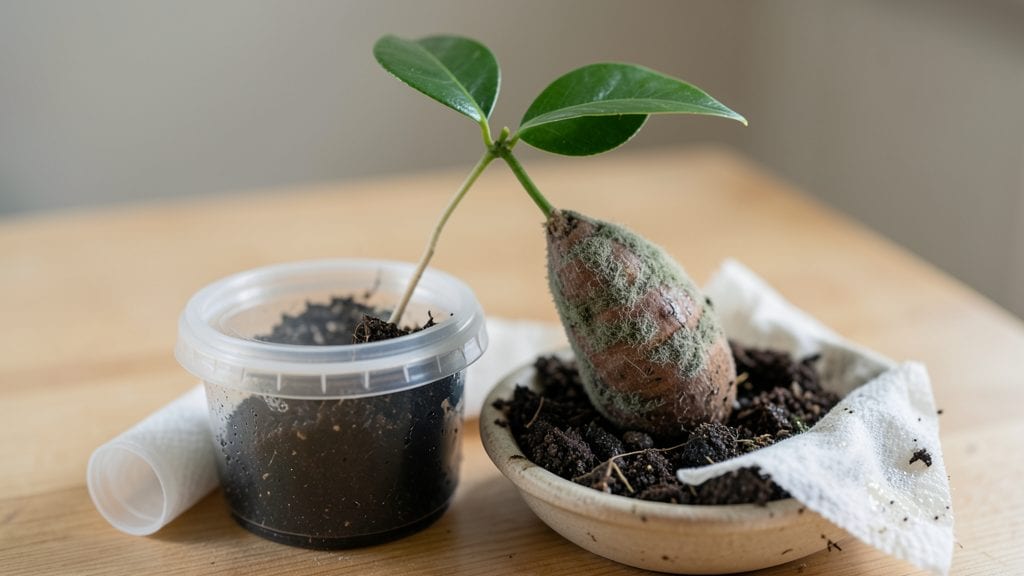
That fuzzy black growth on your mango seed isn't just unsightly—it's a silent killer of germination. 🌱 I've lost more seeds to mold than I care to admit, but I finally cracked the code on keeping them clean and ready to sprout.
The key starts before you even plant, with drying and storage tricks that stop mold before it begins.
Mold thrives where seeds stay damp or crowded in plastic bags. My first batch of seeds rotted because I rushed to plant them straight from the fruit—big mistake.
Proper drying (2-3 days in a warm, dry spot) and storage in a sealed container with silica gel packets make all the difference. Even a single moldy seed can contaminate the whole batch, so isolation is critical.
You'll end up with seeds that stay firm and white, ready to sprout within 2-4 weeks when planted. The first sign of healthy germination is a tiny root breaking through—no more black fuzz, just vibrant new growth. Plus, your seedlings will be stronger and more disease-resistant from the start.
Works for any tropical seed, from avocado to papaya. Here's how to rescue your seeds and get them growing right the first time.
Hidden Triggers Behind Seed Spoilage
Mold on mango seeds isn’t just a random occurrence—it’s a silent battle between nature’s defenses and unseen threats. Understanding the root causes helps you stop the problem before it starts. Here’s why your mango seeds might be turning fuzzy instead of thriving.
Mold thrives in damp, stagnant environments—think of it as the perfect storm for fungal growth. Mango seeds contain high moisture content (up to 50% or more), making them a prime target if they’re stored improperly.
- Why it happens: When seeds are left in humid conditions (above 60% relative humidity), excess moisture triggers fungal spores like Aspergillus or Penicillium to colonize the seed’s outer layer.
- Science in action: Fungal hyphae (thread-like structures) penetrate the seed coat, breaking down proteins and sugars. This creates the musty smell and visible mold you see.
- Actionable fix:
- Store seeds in a well-ventilated container with silica gel packets or activated charcoal to absorb excess moisture.
- Aim for 40-50% humidity and room temperature (68–77°F)—too hot or cold can also stress seeds.
Even a tiny speck of dirt or sap can invite mold. Mango seeds often carry residual fruit pulp, bird droppings, or soil particles from the tree—all of which harbor fungal spores.
- Why it happens:
- Organic debris (like rotting fruit bits) provides a food source for mold.
- Microbes in soil (e.g., Fusarium) can latch onto seeds during harvest.
- Science in action: Spores germinate when moisture is present, forming mycelium networks that choke the seed’s ability to germinate.
- Actionable fix:
- Rinse seeds in 1% hydrogen peroxide solution (1 part peroxide to 9 parts water) for 5 minutes to kill surface spores.
- Pat dry with a sterile paper towel and let air-dry for 24 hours before storage.
Fresh mango seeds are juicy and vulnerable. If they don’t dry properly, they become a mold magnet within days.
- Why it happens:
- Seeds left in wet pulp or unwashed retain moisture, creating the ideal incubator for mold.
- Improper drying (e.g., direct sunlight causing uneven moisture loss) can crack the seed coat, inviting fungal invasion.
- Science in action: Fungi like Rhizopus (common in fruit rot) release enzymes that degrade the seed’s protective layers within 24–48 hours of excess moisture.
- Actionable fix:
- Dry seeds in a shady, well-ventilated area for 3–5 days until the outer layer is hard and light brown.
- Use a dehydrator (115°F for 4–6 hours) or food dryer for faster, even drying.
Too hot or too cold can weaken a seed’s defenses, making it easier for mold to take hold.
- Why it happens:
- Heat stress (>85°F) speeds up microbial activity, while cold (<50°F) slows seed metabolism, reducing natural antifungal compounds.
- Freezing (<32°F) can damage cell membranes, leaving gaps for spores to enter.
- Science in action: Temperature fluctuations disrupt the seed’s cuticle layer, a natural barrier against pathogens.
- Actionable fix:
- Store seeds in a temperature-controlled space (avoid basements, garages, or near windows).
- Use insulated containers if storing in cool climates.
By tackling these root causes, you can dramatically reduce the risk of mold—and give your mango seeds the best shot at healthy germination. 🚀
Quick Fixes for Fungal Troubles
Mold on mango seeds can feel like a setback, but don’t toss them just yet! With the right approach, you can salvage your seeds and even prevent future issues. Below are practical, step-by-step solutions tailored to common causes—whether your seeds are damp, improperly stored, or already showing signs of rot.
Plus, we’ll share prevention tips to keep your next batch mold-free.
If your mango seeds are soggy or sitting in excess moisture, mold thrives like a party guest who overstays their welcome. Here’s how to dry them out safely:
🔥 Step 1: Remove Excess Moisture
- Gently pat the seeds dry with a paper towel (avoid fabric—it traps moisture).
- If they’re embedded in damp soil or compost, rinse them under cool water to remove debris, then let them air-dry.
👨🍳 Step 2: Speed-Dry with Airflow
- Place seeds on a clean, breathable surface (like a wire rack or mesh screen) in a well-ventilated area.
- Use a fan on low to circulate air—this prevents stagnant humidity.
- Pro Tip: 💡 If seeds are still damp after 24 hours, sprinkle them lightly with food-grade diatomaceous earth (a natural antifungal powder) before drying.
🥘 Step 3: Disinfect the Surface
Once dry, soak seeds in 1 part hydrogen peroxide (3%) to 9 parts water for 10 minutes to kill lingering mold spores. Rinse and dry again.
If mold has already taken root, act fast to stop its spread before it ruins the seed’s viability.
🔪 Step 1: Trim Affected Areas
- Use sterilized scissors or a knife to carefully trim away moldy sections (focus on the outer shell, not the inner seed).
- ⚠️ Warning: If the mold penetrates deep into the seed or the inner tissue looks mushy, discard it—salvaging may not be worth the risk.
🌡️ Step 2: Sanitize with Natural Antifungals
Soak the cleaned seeds in one of these safe, effective solutions for 15–30 minutes:
- Vinegar solution: 1 part white vinegar to 3 parts water (rinses well).
- Saltwater soak: 1 tsp salt per cup of water (helps draw out moisture).
- Neem oil treatment: Mix 1 tsp neem oil with 1 cup water + a drop of dish soap (shakes well).
✨ Step 3: Let Them Rest Before Planting
After treatment, pat dry and store seeds in a paper envelope (not plastic) in a cool, dry place for 3–5 days before planting. This gives any hidden spores time to “bake off.”
An ounce of prevention is worth a pound of moldy seeds! Follow these easy storage rules to keep your seeds fresh:
💡 Store Seeds Properly
- Dry them thoroughly before storing (test by squeezing—no moisture should remain).
- Use airtight containers with silica gel packets (or uncooked rice in a small bag) to absorb humidity.
- Avoid plastic bags—they trap moisture and encourage mold.
🌡️ Control Temperature & Humidity
- Keep seeds in a cool (60–70°F), dry place (a pantry or seed vault works).
- ❄️ Pro Tip: 🌡️ If storing long-term, refrigerate seeds in a zip-top bag with a desiccant (like a DampRid packet).
🎯 Plant Promptly When Ready
- Mango seeds lose viability quickly—plant them within 1–2 weeks of drying if possible.
- If you must store them, stratify (mimic winter cold) for 4–6 weeks in the fridge before planting to break dormancy.
Not every seed can be saved. Discard immediately if:
- The seed smells foul (like rot or ammonia).
- The inner tissue is discolored or slimy (signs of deep fungal invasion).
- Mold reappears after treatment (indicates a systemic issue).
Even after treating mold, give your seeds a helping hand to sprout:
- Scarify the shell lightly with sandpaper to help water penetrate.
- Soak in warm water for 12–24 hours before planting.
- Plant in well-draining soil (mix potting soil with perlite) and keep lightly moist (not soggy).
Final Thought: Mold on mango seeds is often a fixable issue—act quickly, dry thoroughly, and store smartly to give your seeds the best shot at life. With these steps, you’ll be well on your way to healthy, mold-free germination! 🌱💚
Frequently asked questions
What does mold on a mango seed look like?
Mold typically appears as fuzzy black, green, or white spots on the seed's outer shell. In advanced cases, you might notice a musty smell or a slimy texture. The mold can spread quickly if left untreated, so act fast when you spot it.
Can I still plant a seed with mold?
Only if you treat it first! Light surface mold can sometimes be removed by carefully trimming the affected area and disinfecting with hydrogen peroxide or vinegar. However, if the mold has penetrated deep into the seed or the inner tissue looks damaged, discard it to avoid contaminating healthy seeds.
How long does it take for mold to ruin a seed?
Mold can start appearing within 24-48 hours if seeds remain damp or in poor storage conditions. If left untreated, it can completely destroy a seed's viability within a week. Proper drying and storage are key to preventing this.
What's the best way to store mango seeds long-term?
Store seeds in a cool, dry place (60-70°F) in an airtight container with silica gel packets or uncooked rice to absorb moisture. Avoid plastic bags and check periodically for any signs of mold. For longer storage, refrigerate with a desiccant.
Will mold on a seed affect my mango tree's health?
Yes, if you plant moldy seeds, they may fail to germinate or produce weak seedlings more susceptible to disease. Healthy seeds are crucial for strong tree growth. Always use clean, mold-free seeds to give your mango tree the best start.