Shrubs
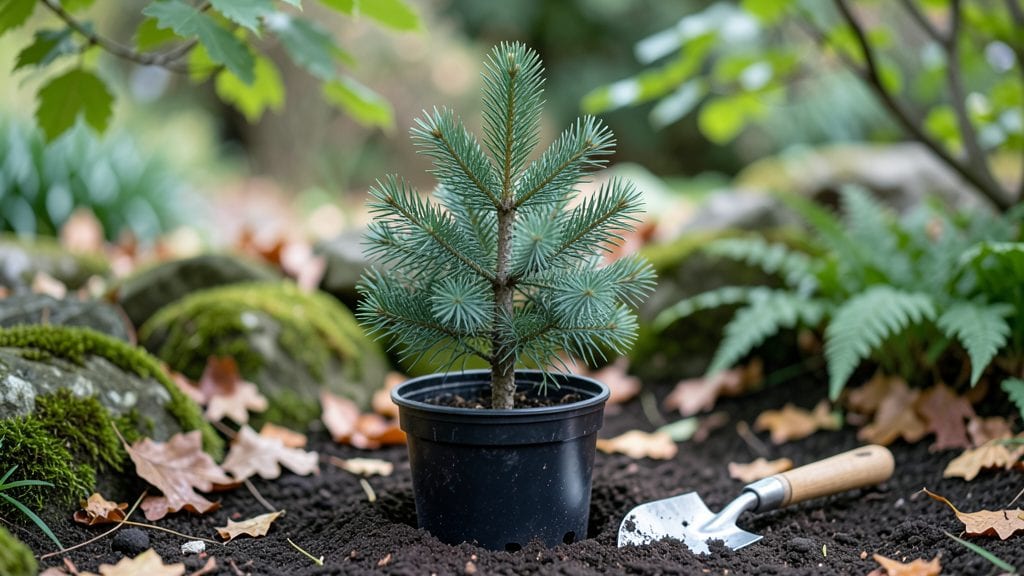
Growing Norway spruce seedlings into a towering privacy screen starts with the right approach—one that turns a bare patch into a wind-blocking, evergreen fortress within three seasons.
I planted my first seedlings last spring, and by year three, they’d grown from delicate saplings to a dense wall that shuts out neighbors’ views and winter winds. The key isn’t just patience; it’s matching their cold-hardy nature with the perfect site and care routine.
These seedlings thrive in full sun to partial shade, but they demand well-drained soil—clay or rocky ground will stunt their growth. Amend heavy soil with compost or sand, and space them 6 to 8 feet apart for that classic spruce wall look.
Water deeply once a week after planting, then let nature take over; Norway spruces hate soggy roots but love deep moisture in their first growing season. Mulch around the base to keep roots cool and conserve water.
By year two, you’ll see them shoot up 3 to 5 feet with those signature blue-green needles, and by year three, they’ll form a nearly impenetrable barrier. The branches grow stiff and upright, creating natural privacy without the upkeep of hedges.
Just watch for spider mites in dry spells—spraying with water usually clears them up before they cause damage.
Best for USDA Zones 2-6, these spruces handle snow, ice, and high winds like champs. In warmer climates, they’ll still grow but may lose some cold tolerance.
For faster results, choose 1- to 2-foot-tall seedlings at planting time—they’ll catch up quickly with the right conditions. Ready to start your living wall?
📚 In This Guide
- What you need
- Instructions
- Tips and common mistakes
- Wrapping up and next steps
What you need
- ● Norway spruce seedlings: 10–20 (depending on desired height; 10 for ~6 ft tall in 3 years, 20 for ~10 ft). Choose Picea abies with healthy, vibrant green needles and sturdy stems.
- ● Well-draining soil: 50–100 sq. ft. of amended soil (mix garden soil with compost or peat moss for optimal drainage). Test pH (ideal: 5.0–6.5).
- ● Organic mulch: 2–3 inches of pine straw, wood chips, or shredded bark (cover root zone, not the trunk).
- ● Fertilizer: Slow-release, acid-loving plant fertilizer (e.g., 10-10-10 or 8-3-9 with micronutrients). Apply 1 lb per 100 sq. ft. at planting.
- ● Watering supplies: Hose with adjustable nozzle or drip irrigation kit (for consistent moisture).
- ● 5-gallon watering can (for seedlings).
- ● Garden trowel or shovel (for digging holes).
- ● Measuring tape (to space seedlings 4–6 ft apart for full growth).
- ● Gloves (to protect hands from soil and sap).
- ● Pruners (for trimming dead branches or shaping young seedlings).
- ○ Soil pH test kit (optional but recommended for precision).
- ○ Stakes & twine (optional: for supporting seedlings in windy areas).
- ● Sunlight access: Full sun to partial shade (6+ hours of sunlight daily).
- ● Cold-hardy zone: Plant in USDA Zones 3–7 (Norway spruce thrives in cold climates!).
- ● Wind protection: Avoid exposed areas; use a temporary windbreak if needed.
- ● Patience & consistency: Spruces grow slowly—commit to regular watering and care for 3+ years!
Instructions for planting Norway spruce seedlings
Here's how to establish a durable, wind-resistant privacy screen that thrives in cold climates.
Choose the Right Planting Location
Norway spruce seedlings need full sun to partial shade, with at least 6 hours of direct sunlight daily. I always look for spots with well-draining soil—these trees hate soggy roots. Test your soil by digging a 6-inch hole and checking if water drains within 15-30 minutes. If drainage is poor, amend with 2-3 inches of coarse sand or compost.
For a privacy screen, space seedlings 6-8 feet apart in rows 8-10 feet apart. This spacing allows them to fill in over time while maintaining airflow to prevent disease. Mark planting spots with stakes or spray paint to avoid misalignment when digging.
Prepare the Planting Hole
Dig a hole twice as wide as the root ball but only as deep. Norway spruce roots are shallow, so planting too deep suffocates them. Loosen the sides of the hole with a shovel or garden fork to encourage root spread. If your soil is heavy clay, mix in 1 part peat moss with 2 parts native soil to improve drainage.
Gently remove the seedling from its container, tapping the sides to loosen roots if needed. Place it in the hole so the top of the root ball sits level with the surrounding soil. Avoid burying the trunk too deep—this can cause rot. Have a helper hold the seedling straight while you backfill with native soil.
Water and Mulch Thoroughly
Fill the hole halfway with water, then let it drain completely before adding more soil. This prevents air pockets that could strangle roots. Once the seedling is stable, backfill the hole with soil, pressing lightly to remove gaps. Water again until the soil is saturated to a depth of 12 inches.
Spread 2-3 inches of mulch over the root zone, keeping it 6 inches away from the trunk to prevent rot. Use pine straw or shredded bark—these break down slowly and retain moisture. Water deeply once more to settle the mulch and encourage root growth. Avoid overwatering; seedlings need 1 inch of water per week, more in extreme heat.
Provide Initial Care for Establishment
For the first 2-3 years, focus on keeping the soil consistently moist but never waterlogged. Norway spruce seedlings are drought-tolerant once established, but young trees need steady moisture. Water deeply every 7-10 days, checking the soil 2 inches below the surface—it should feel damp but not soggy.
Fertilize lightly in early spring with a balanced, slow-release fertilizer (10-10-10 ratio). Apply ½ cup per tree, spreading it evenly over the root zone. Avoid high-nitrogen fertilizers, which promote soft growth vulnerable to winter damage. Prune only to remove broken or diseased branches—never "thin" a young spruce, as it can stress the tree.
Protect and Monitor for Growth
Young Norway spruce seedlings benefit from winter protection in their first few years, especially in harsh climates. Wrap the trunk with tree guard or burlap to shield it from deer and rodents. In late winter, apply antidesiccant spray to prevent moisture loss from winter winds.
Watch for signs of stress: yellowing needles often signal overwatering, while brown tips indicate underwatering or windburn. If you notice needle drop, reduce watering slightly and check for pests like spruce budworm. Healthy seedlings grow 1-2 feet per year, with full privacy screens achievable in 3-5 years with proper care.
Tips & tricks for planting Norway spruce seedlings
These practical tips will help you establish a thriving privacy screen that grows strong and healthy for years to come.
The Sunlight Factor: When selecting your planting location, pay close attention to the 6 hours of direct sunlight requirement. Morning sun with afternoon shade works well in hotter climates, while full sun exposure is ideal in cooler regions. I've found that seedlings planted in east-facing locations often grow more vigorously due to gentle morning sunlight that warms the soil without stressing the young trees.
Soil Preparation Strategy: The 15-30 minute drainage test is crucial—don't rush this step. If your soil drains too slowly, consider creating raised beds instead of amending with just 2-3 inches of sand. I've seen many gardeners skip this test and end up with root rot issues that take years to correct. For heavy clay soils, mixing in 1 part peat moss with 2 parts native soil creates excellent drainage while retaining moisture.
Planting Depth Secret: Getting the planting depth right is more important than most people realize. The top of the root ball should be level with the surrounding soil—never buried. I've seen many well-meaning gardeners plant too deep, which suffocates the roots and can lead to trunk rot. Use a level or small board to check depth before backfilling, and always have a helper hold the seedling straight during planting.
Watering Wisdom: The 12-inch saturation depth after planting is essential for proper root establishment. I recommend using a soil probe or long screwdriver to verify moisture penetration—simply push it into the soil and check for dampness. During the first 2-3 years, maintaining consistent moisture is key. Watering every 7-10 days only works if you're checking the soil 2 inches below the surface; in extreme heat, you may need to water more frequently to prevent stress.
Pro Tips for Norway Spruce Seedling
- These practical tips will help you establish a thriving privacy screen that grows strong and healthy for years to come.
- The Sunlight Factor: When selecting your planting location, pay close attention to the 6 hours of direct sunlight requirement.
- Soil Preparation Strategy: The 15-30 minute drainage test is crucial—don't rush this step.
Frequently asked questions
Got questions about growing Norway spruce seedlings? You’re not alone! Here are some of the most common concerns—and their answers—to help you get started with confidence.
How long does it take for a Norway spruce seedling to grow into a privacy screen?
A Norway spruce seedling typically grows 1–2 feet per year under ideal conditions. With consistent care, you can expect a 6–8-foot-tall privacy screen in about 3–4 years. Patience pays off—these evergreens are worth the wait!
Are Norway spruce seedlings really cold-hardy? What zones do they tolerate?
Norway spruce seedlings thrive in USDA Hardiness Zones 2–6 (and even some Zone 7 areas with winter protection). They’re naturally cold-resistant, making them perfect for northern climates. Just avoid late spring frosts, which can damage new growth.
Can I plant Norway spruce seedlings in fall or should I wait until spring?
Both work! Planting in early fall (September–October) gives seedlings time to establish roots before winter. Spring planting (March–April) is also ideal—just water deeply after planting. Avoid late fall or winter planting, as frozen soil can stress young roots.
What are some common problems with Norway spruce seedlings, and how do I fix them?
Watch for:
- Brown needles (often from overwatering or poor drainage—let soil dry slightly between waterings).
- Yellowing needles (usually nutrient deficiency—fertilize lightly in early spring).
- Fungal issues (like needle cast—improve airflow and avoid overhead watering).
Are there faster-growing alternatives to Norway spruce for a quick privacy screen?
If speed is your goal, consider:
- Leyland cypress (grows 3–5 feet/year but needs warmer climates).
- Green giant arborvitae (fast-growing but less cold-hardy than spruce).
- Thuja (Western red cedar) (moderate growth, great for wet soils).
Wrapping up and next steps
Growing a Norway spruce seedling into a stunning, cold-hardy privacy screen in just three years is an achievable dream for any green thumb! 🌲 With the right soil, spacing, and care—plus a little patience—you’ll soon enjoy the lush, evergreen beauty of these resilient trees.
Whether you’re a beginner or a seasoned gardener, the key is consistency and confidence in your plant’s ability to thrive.
Ready to take the next step? Order your seedlings today, mark your planting spots, and get ready to transform your space into a serene, wind-blocking oasis. Your future privacy screen starts with a single seedling—so why wait? 🌱