Plants
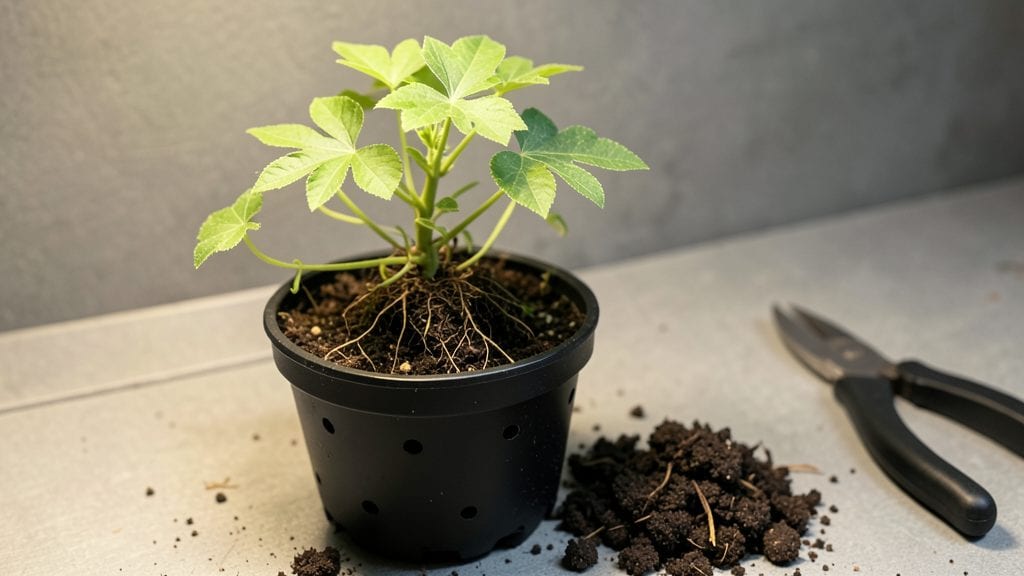
Growing a passion vine seedling from scratch is the fastest way to get a lush, year-round privacy screen that outpaces anything you’d buy at a nursery. 🌿 I’ve watched mine climb a 12-foot fence in just two seasons, turning a bare wall into a vibrant green curtain by summer’s end.
The key isn’t complicated—it’s about timing, soil, and a little patience to coax those first tendrils upward.
The magic starts with germination, which thrives in warm, 65-75°F soil and bright, indirect light. Most people overwater at this stage, drowning the tiny roots before they even get a chance.
A simple mix of potting soil and perlite keeps things airy, and a humidity dome (or even a plastic bag) speeds up sprouting. Once those first leaves unfurl, you’ll know you’re on the right track.
By transplanting at the right moment—when seedlings have 3-4 sets of leaves—you set them up for rapid growth. My vines now sprawl across trellises and fences, their deep green leaves blocking wind and prying eyes while attracting hummingbirds.
The best part? They’re perennial in zones 9-11, meaning they’ll keep growing back year after year with minimal effort.
Fair warning: Passion vines are aggressive climbers, so plan your support structure carefully. A sturdy trellis or fence is non-negotiable, but the payoff—a privacy screen that stays green even in winter—is worth every inch of space. Ready to turn your bare wall into a living masterpiece?
📚 In This Guide
- What you need
- Instructions
- Tips and common mistakes
- Wrapping up and next steps
What you need
- ● Passion vine seeds – 5–10 seeds (or a single seedling from a nursery for faster growth). Opt for Passiflora edulis (passion fruit vine) or Passiflora caerulea (blue passionflower) for hardiness.
- ● Growing containers – 4–6-inch pots (biodegradable or plastic) for seedlings, or a large nursery pot (10+ inches) for direct sowing.
- ● Well-draining potting mix – 2–3 bags (look for a blend labeled for tropical plants or succulents). Avoid heavy garden soil.
- ○ Seed-starting tray or flat – Optional but helpful for germinating multiple seeds at once.
- ● Spray bottle – For gentle watering during germination (avoid over-saturating!).
- ● Garden gloves – To protect your hands from prickly vines (passion vines can be thorny!).
- ● Trowel or small shovel – For transplanting seedlings into the ground or larger pots.
- ● Pruning shears – To trim leggy growth and encourage bushier privacy screens.
- ○ Moisture meter or finger-test kit – Optional but useful for monitoring soil moisture (passion vines love humidity!).
- ● Sunlight access – A spot with 6+ hours of direct sun daily (partial shade tolerates but may slow growth).
- ● Support structure – A trellis, fence, or sturdy arbor (passion vines are vigorous climbers—they’ll need something to latch onto!).
- ● Patience (but not too much!) – Seedlings take 2–3 months to germinate, but rapid growth follows once established.
Step-by-Step instructions for growing passion vine seedlings
Here’s how to get your passion vine seedlings off to a strong start—fast-growing and ready to create that lush privacy screen.
🌱 Step 1: Start Seeds Indoors in Warmth
Passion vine seeds need warmth to germinate, so begin indoors 8-10 weeks before your last frost date. Fill small pots with moistened seed-starting mix (about 1/4 inch deep per pot). Plant 2-3 seeds per pot at a depth of 1/8 inch—any deeper, and they’ll struggle to break through. Gently press the soil around them to ensure good contact.
Cover the pots with plastic wrap to trap warmth and moisture, then place them in a warm spot (75-85°F). A seedling heat mat works wonders here. Keep the soil consistently moist but never soggy—check daily and mist with water if the surface feels dry. Germination can take 10-20 days, so patience is key. Once sprouts appear, remove the plastic wrap immediately to prevent mold.
☀️ Step 2: Provide Bright, Indirect Light
Seedlings need bright, indirect light to prevent leggy growth. Place them near a south-facing window or under a grow light positioned 2-3 inches above the plants. If you notice stems stretching toward the light or leaves turning pale, the light source is too far away. Strong seedlings will have thick stems and dark green leaves spaced closely together.
Rotate the pots a quarter turn daily so the seedlings grow straight rather than leaning. Overwatering at this stage is a common mistake—wait until the top inch of soil feels dry before watering again. Too much moisture leads to weak roots and disease.
🪴 Step 3: Transplant Seedlings Outdoors After Hardening
Once seedlings have 3-4 sets of true leaves (about 4-6 weeks after germination), it’s time to harden them off. Start by placing them outside in a shaded, sheltered spot for 1-2 hours the first day. Gradually increase their outdoor time over 7-10 days, moving them to more sun and wind exposure each day. This prepares them for the garden.
Choose a sunny, well-draining location for your passion vine. Dig holes twice as wide as the pots but only as deep as the root ball. Space seedlings 6-8 feet apart—they’ll grow fast and need room to spread. Gently remove each seedling from its pot, loosen the roots if they’re circling, and place it in the hole. Backfill with soil and water deeply to settle everything in place.
💧 Step 4: Water Deeply and Mulch for Retention
Passion vine thrives with deep, infrequent watering. After transplanting, water once a week (or more in extreme heat) until the top 6 inches of soil feel moist. Overwatering causes root rot, so let the soil dry out slightly between waterings. A 2-3 inch layer of mulch around the base helps retain moisture and keeps roots cool.
Fertilize lightly in early spring with a balanced, slow-release fertilizer to encourage vigorous growth. Avoid heavy feeding—passion vine grows best in moderately fertile soil and doesn’t need extra nutrients to thrive. Prune in late winter to shape the plant and remove dead or weak growth, which encourages bushier, fuller coverage.
Tips & tricks for growing passion vine seedlings
Here's what I learned the hard way after struggling with leggy seedlings and slow growth—these tricks will help you grow strong, fast-growing passion vines that create that lush privacy screen you're dreaming of.
Warmth is Non-Negotiable: In Step 1, maintaining that 75-85°F temperature range is crucial for germination. I used a seedling heat mat under my pots, and it made all the difference. If your home stays cooler, consider placing the pots on top of your fridge or near a sunny window with a space heater nearby. The goal is to keep the soil consistently warm—cold soil slows germination to a crawl.
Light Strategy That Prevents Leggy Seedlings: For Step 2, those 2-3 inches above the grow light are critical—any farther, and you'll get those sad, stretched-out seedlings. I noticed my plants leaning toward the light? I rotated them daily as instructed, but also added a small mirror on one side to reflect light. This creates a more even light environment from all directions, preventing that classic "reaching" growth pattern.
Hardening Off the Right Way: When you're ready for Step 3's hardening process, I recommend starting with just 30 minutes on that first day instead of the full 1-2 hours. This gives your seedlings time to adjust gradually. Also, watch for signs of stress like wilting or yellowing—these are your cues to extend the time more slowly. I've seen seedlings shocked by sudden outdoor conditions, so take it slow!
Transplanting Like a Pro: In Step 3, when you're digging those holes twice as wide as your pots, I add a handful of compost to the bottom of each hole. This gives your seedlings a nutrient boost right when they need it most. Also, water the seedlings thoroughly in their pots before transplanting—this helps prevent transplant shock and keeps the roots happy during the move.
Pro Tips for Passion Vine Seedling
- Here's what I learned the hard way after struggling with leggy seedlings and slow growth—these tricks will help you grow strong, fast-growing passion vines that create that lush privacy screen you're dreaming of.
- Warmth is Non-Negotiable: In Step 1, maintaining that 75-85°F temperature range is crucial for germination.
- Light Strategy That Prevents Leggy Seedlings: For Step 2, those 2-3 inches above the grow light are critical—any farther, and you'll get those sad, stretched-out seedlings.
Frequently asked questions
Got questions about growing passion vine seedlings into a lush privacy screen? You’re not alone! Here are answers to the most common concerns—from planting tips to troubleshooting—so you can get started with confidence.
How long does it take for a passion vine seedling to grow into a privacy screen?
A healthy passion vine seedling can create a dense, 6–8-foot-tall privacy screen in just 2–3 years with proper care. Fast-growing varieties like Passiflora caerulea (blue passionflower) or Passiflora incarnata (maypop) thrive in warm climates and spread quickly when trained on trellises or fences. Patience pays off—think of it as a living, ever-changing masterpiece!
When is the best time to plant passion vine seedlings?
Plant your seedlings in early spring (after the last frost) or late summer for the best results. Passion vines are frost-sensitive, so avoid planting in fall if temperatures dip below 40°F (4°C). If you’re in a warm climate (Zones 8–11), you can plant year-round—but always choose a spot with full sun (6+ hours daily) for vigorous growth.
Do passion vine seedlings need a trellis, or can they grow on their own?
While passion vines can sprawl on the ground, they grow much faster and denser with support. A sturdy trellis, fence, or arbor gives them structure and prevents tangles. If you skip the trellis, expect slower growth and potential pest issues (like slugs hiding in the foliage). Pro tip: Use a 3–4 foot tall trellis for a quick privacy screen, or let them climb a pergola for a romantic, vine-covered canopy!
Why aren’t my passion vine seedlings growing? Troubleshooting tips.
Slow growth? Check these common culprits:
- Not enough sun: Passion vines need 6+ hours of sunlight daily. Move to a sunnier spot if leaves look pale or leggy.
- Overwatering: Soil should stay moist but well-draining. Yellow leaves or mold? Cut back on water.
- Poor soil: Amend with compost or a balanced fertilizer (10-10-10) at planting time. They love rich, slightly acidic soil (pH 6.0–7.5).
- Pests: Watch for aphids or spider mites. Spray with neem oil if you spot sticky residue or chewed leaves.
Still stuck? Snap a photo and ask your local nursery—they’re usually happy to help!
Can I grow passion vine from seed instead of buying seedlings?
Yes! Growing from seed is cheaper and fun, but it takes longer (6–12 months to mature). Soak seeds in warm water for 24 hours before planting to speed up germination. Use a seed-starting mix and keep soil warm (70–80°F). Seedlings are delicate—transplant carefully once they have 2–3 true leaves. For faster results, seedlings (from nurseries) are your best bet!
Wrapping up and next steps
Growing a passion vine seedling into a lush, year-round privacy screen is a rewarding journey that combines patience and care.
With the right soil, sunlight, and a little love, you’ll enjoy vibrant foliage and fragrant blooms in just three years—transforming your space into a serene retreat. Now’s the time to take action! Grab your seedling, follow the steps, and watch your green oasis flourish.
🌱 Next step: Start small—plant your seedling today and let nature do the rest! Share your progress with fellow gardening enthusiasts or tag us in your photos. Happy growing! 🌿