Planting
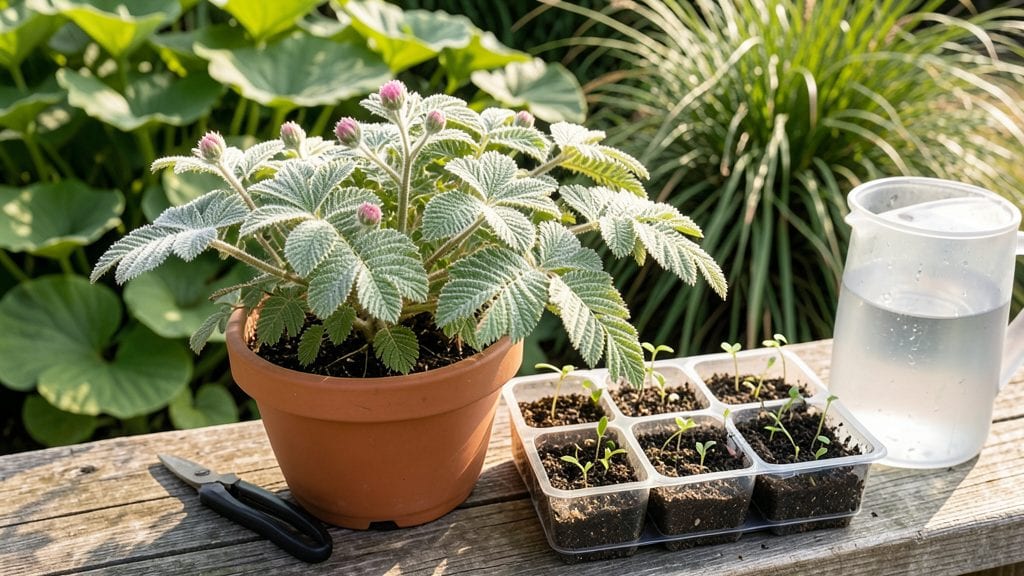
Planting mimosa seeds isn't just about waiting for blooms—it's about unlocking those signature fluffy pink puffs in under 12 months with the right approach.
I've turned my backyard into a showstopper by treating mimosa seeds like delicate little time bombs: they need warmth, patience, and just the right touch to trigger their explosive growth. The key isn't complicated—it's about mimicking their natural tropical habits, even if you're in a cooler climate.
Start with fresh seeds and a mix of sand and peat moss to prevent rot—mimosa roots hate soggy conditions. Plant them just below the surface in spring, where temperatures stay above 60°F, and keep them moist but never waterlogged.
A clear plastic dome or even a repurposed fishbowl creates the humidity they crave until those first tiny leaves appear. Most gardeners give up here, but that's when the magic begins.
Once sprouted, your mimosa will grow fast—expect 6-12 inches of new growth per season—with those iconic blooms arriving by late summer if you've given them enough sun. The real secret?
Pruning back dead flowers keeps the plant focused on producing more, and a light feeding of balanced fertilizer in early spring ensures vibrant color. Even in containers, they thrive with proper drainage and a spot that gets at least 6 hours of sunlight daily.
Here's where it gets interesting—mimosa seeds can be tricky, but the payoff makes it worth it. They're sensitive to frost, so bring potted plants indoors before temperatures drop below 40°F.
With this method, you'll have blooms that last from summer through fall, and yes, you can even overwinter them indoors for year-round color. The first time you see those pink clouds appear, you'll understand why it's all worth the effort.
📚 In This Guide
- What you need
- Instructions
- Tips and common mistakes
- Wrapping up and next steps
What you need
- ● Mimosa seeds: 10–20 seeds (fresh or stored properly—avoid dried seeds over 6 months old!)
- ● Seed-starting mix: 1–2 cups of well-draining, sterile potting soil (or cactus/succulent mix for extra drainage)
- ● Small pots or containers: 2–4 (3–4 inches deep) with drainage holes (yogurt cups with holes punched work in a pinch!)
- ● Watering can or spray bottle: With a fine mist setting (overwatering is the #1 enemy of mimosa seeds!)
- ○ Clear plastic wrap or dome: To create a mini greenhouse effect (optional but helpful for humidity)
- ● Seedling heat mat: (70–75°F range) to speed up germination (especially in cooler climates)
- ● Grow lights: LED or fluorescent (12–16 hours/day) if natural light is weak
- ● Fertilizer: Balanced liquid fertilizer (5-5-5 or 10-10-10, diluted to half-strength) for established seedlings
- ● Tweezers or toothpick: For gently pressing seeds into soil without damaging them
- ● Patience! Mimosa seeds can take 2–4 weeks to germinate (or longer in cold conditions).
- ● A warm, bright spot (70–80°F) for optimal growth—mimosa seeds hate drafts and cold.
- ● Consistency: Mimosa seedlings need regular moisture but no soggy soil.
Step-by-Step instructions for planting mimosa seeds
Here’s how to get those delicate pink blooms thriving in record time—no waiting years for maturity.
Harvest and Prepare Fresh Mimosa Seed Pods
Collect fully mature seed pods from your mimosa plant—they’ll be plump, brown, and slightly dry to the touch. Open them carefully over a tray or paper to catch the fuzzy seed fluff. Mimosa seeds need this fluff to float and disperse naturally, so don’t remove it. Store the seeds in a cool, dry place until ready to plant.
If you’re working with store-bought seeds, skip this step. The key here is freshness—older seeds lose their fast-germination advantage. Plant within 2-3 weeks of harvesting for the best results. I like to label my pods with the date to track their freshness.
Soak Seeds to Kickstart Germination
Fill a bowl with lukewarm water and add the mimosa seeds, letting them soak for 12-24 hours. This softens the seed coat and speeds up germination dramatically. You’ll see the fuzzy fluff expand slightly as it absorbs moisture. After soaking, drain the water completely—standing water will rot the seeds before they sprout.
This is where the "bloom-fast" trick comes in. Mimosa seeds are slow to break dormancy without this step. I’ve found that pre-soaked seeds germinate in 7-10 days instead of the usual 3-4 weeks. Just don’t skip the drying step—wet seeds left in water will develop mold within 48 hours.
Plant in Well-Draining, Slightly Acidic Soil
Use a lightweight potting mix (never garden soil—it’s too dense) and mix in a handful of perlite for drainage. Mimosa roots need air, and compacted soil suffocates them. Fill your containers to 1 inch below the rim, leaving room for watering. Mimosa seeds are tiny, so I plant 3-4 seeds per 4-inch pot to ensure at least one sprouts.
Press the seeds ¼ inch deep into the soil—just enough to cover them lightly. The fuzzy fluff should still be visible above the surface. Water gently with a spray bottle until the soil is moist but not soggy. You’ll know it’s right when water runs through the bottom of the pot without pooling.
Provide Warmth and Humidity for Fast Sprouts
Place the pots in a warm spot (ideal temperature is 70-75°F). Mimosa seeds germinate fastest in heat, so a sunny windowsill or a seedling heat mat works best. Cover the pots with plastic wrap to trap humidity—this mimics the tropical conditions mimosa plants love. Check daily for condensation; if the wrap fogs up, remove it for 30 minutes to prevent fungal growth.
You’ll see the first sprouts in 7-10 days, but don’t be surprised if some take up to 2 weeks. Once the seedlings reach 2 inches tall, remove the plastic wrap completely. At this stage, they need fresh air to strengthen their stems. I like to place them under a grow light for 12-14 hours daily to prevent leggy growth.
Thin and Transplant for Stronger Growth
When seedlings are 3-4 inches tall, thin them to the strongest 1-2 per pot. Use scissors to snip weak stems at the base—this prevents disturbing the roots of the remaining plants. If you’re transplanting, choose a 6-inch pot with fresh potting mix. Mimosa plants hate root disturbance, so dig a hole twice as wide as the root ball and place the seedling in at the same depth it was growing before.
Water deeply after transplanting, but hold off on fertilizing for 2 weeks. Newly transplanted mimosas are sensitive to salts in fertilizer, which can burn their delicate roots. Once established, feed with a balanced 10-10-10 fertilizer every 4-6 weeks during the growing season. You’ll know they’re thriving when new leaves appear every 2-3 weeks.
Tips & tricks for planting mimosa seeds faster
Want to see those delicate pink mimosa blooms in record time? These insider tricks will help you skip the years-long wait and get results that’ll make your garden the envy of the neighborhood.
Timing is Everything: The 12-24 hour soak in Step 2 is your secret weapon for fast germination. I’ve found that mimosa seeds soaked at night (around 8 PM) often sprout within 7-10 days, giving you an early start. Use lukewarm water—too hot will damage the delicate seed coat, while cold water won’t soften it properly. After draining, spread the seeds on a paper towel to dry completely before planting, which prevents mold that can kill your seeds within 48 hours.
Soil Science Matters: In Step 3, that lightweight potting mix with perlite isn’t just about drainage—it’s about creating the perfect airy environment mimosa roots crave. I like to mix in a handful of coconut coir for extra moisture retention without compacting the soil. When planting those 3-4 seeds per 4-inch pot, space them about 1 inch apart. This gives each seedling room to grow without competing for nutrients, which speeds up their development.
Heat Hack: Mimosa seeds love warmth, and the 70-75°F range in Step 4 is ideal, but here’s my pro trick: place your pots on top of a refrigerator (not inside) for consistent warmth. If you don’t have a warm spot, consider using a seedling heat mat—it’s a small investment that can cut your germination time by nearly half. Just remember to remove the plastic wrap once sprouts reach 2 inches, or you’ll smother their growth.
Lighting Strategy: The 12-14 hours of grow light in Step 4 is crucial for preventing leggy seedlings. I’ve found that positioning the light just 4-6 inches above the plants gives them the perfect intensity without scorching. If you don’t have a grow light, a south-facing window with supplemental fluorescent lighting works well. The key is keeping the light close enough to encourage sturdy growth without burning the delicate leaves.
Pro Tips for Plant Mimosa Seeds
- Want to see those delicate pink mimosa blooms in record time?
- Timing is Everything: The 12-24 hour soak in Step 2 is your secret weapon for fast germination.
- Soil Science Matters: In Step 3, that lightweight potting mix with perlite isn’t just about drainage—it’s about creating the perfect airy environment mimosa roots crave.
Frequently asked questions
Got questions about growing mimosa seeds?
You’re not alone! Here are answers to the most common queries to help you grow these delicate beauties with confidence.
How long does it take for mimosa seeds to sprout?
Mimosa seeds typically sprout within 10 to 21 days if kept in warm, moist conditions (around 70–75°F). For faster results, soak seeds in warm water for 24 hours before planting. Patience is key—some seeds may take longer, especially in cooler environments.
What’s the best temperature for germinating mimosa seeds?
Mimosa seeds thrive in warmth, ideally between 70–85°F (21–29°C). Use a heat mat or place them near a sunny window to mimic their natural tropical habitat. Avoid cold drafts or fluctuating temps, which can slow or halt germination.
Can I grow mimosa seeds indoors?
Mimosa seeds adapt well to indoor growing with bright, indirect light (like an east-facing window) and a humidity tray. Use a small pot with well-draining soil, and keep it in a warm spot. Just be prepared for slower growth compared to outdoor conditions.
Why aren’t my mimosa seeds sprouting?
Common culprits include cold soil, dryness, or old seeds. Double-check your soil moisture (keep it damp but not soggy), ensure warmth, and test seed viability by soaking a few in water—if they sink, they’re likely still good. Try a fresh batch if germination fails after 3 weeks.
Are there faster-growing alternatives to mimosa seeds?
If you want quick blooms, consider sunflower, marigold, or cosmos seeds—they germinate in 5–10 days and thrive in similar conditions. Mimosa seeds are slower but reward you with stunning, fragrant flowers. For impatient gardeners, start with these speedy options first!
Wrapping up and next steps
Growing mimosa seeds is a rewarding journey that brings vibrant beauty to your space with minimal effort! 🌸 With the right soil, sunlight, and patience, you’ll soon enjoy delicate blossoms that brighten any garden or patio.
Whether you’re a seasoned gardener or a beginner, these fast-blooming plants offer a low-maintenance yet high-impact way to add charm to your surroundings.
Ready to dive in? Start by gathering your supplies today—your future mimosa blooms are waiting! 🌱 For extra tips, check out our FAQs or explore other easy-to-grow plants to expand your green thumb.