Lawn
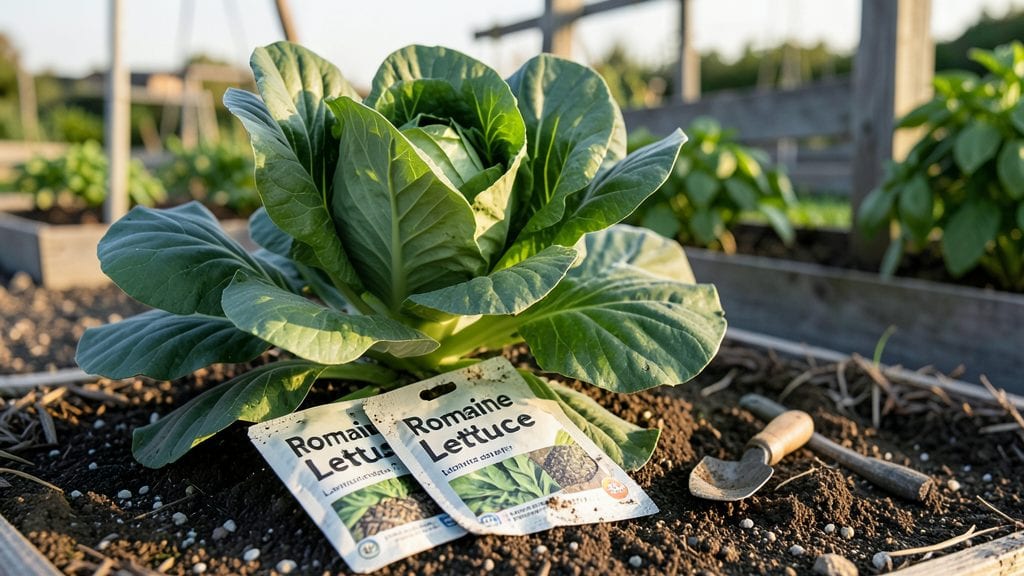
Mastering a seed planting schedule 🌱 transforms your garden from a guessing game into a predictable feast—no more wasted seeds or missed harvests.
Timing is everything in gardening—plant your seeds too early or too late, and you’ll miss peak harvests. This month-by-month guide ensures you maximize your garden’s potential year-round, whether you’re a seasoned grower or just starting.
For Zone 6a, where last frosts hit around April 15 and first frosts arrive by October 15, the difference between a 30-day harvest and a 120-day one comes down to when you pop those seeds in the soil.
Below, I break down the ideal months for everything from cold-hardy greens to heat-loving tomatoes, plus how to tweak the schedule for your microclimate—so you’re always planting at the perfect moment.
Month-by-month seed planting schedule for optimal growth
Getting your seed planting schedule right means the difference between a bountiful harvest and wasted effort. Every plant has its own ideal window, influenced by frost dates, soil temperatures, and daylight hours.
For example, cool-season crops like lettuce thrive when nights stay above 40°F, while warm-season plants like tomatoes need soil at 60°F+ to germinate. Below, I’ve broken down the best months to plant vegetables, herbs, and flowers in USDA Zone 6a, with adjustments for other zones in mind.
Start by checking your last frost date (April 15 in Zone 6a) and first frost date (October 15). These dates anchor your schedule—plant cool-season crops 4-6 weeks before the last frost and warm-season crops 2-3 weeks after.
For fall planting, aim to sow seeds 90-120 days before the first frost to ensure maturity. Pro tip: Use row covers or greenhouses to extend seasons in cooler climates.
🌱
| Month | Plant Type | Ideal Crops | Notes |
|---|---|---|---|
| February | Cool-Season | Spinach, Peas, Kale, Onions | Start indoors or under row covers; soil temps should be 40-50°F. |
| March | Cool + Warm | Lettuce, Carrots, Radishes, Basil | Direct-sow cool crops; start tomatoes/peppers indoors. |
| April | Warm-Season | Tomatoes, Cucumbers, Beans, Marigolds | Wait until soil is 60°F+; harden off seedlings before transplanting. |
| May | Warm-Season | Peppers, Eggplant, Corn, Sunflowers | Peak planting month; mulch to retain moisture. |
| June | Succession | Green Beans, Zucchini, Basil, Nasturtiums | Sow every 2-3 weeks for continuous harvests. |
| July | Fall Prep | Broccoli, Cauliflower, Spinach, Pansies | Start cool-season crops indoors; avoid planting warm crops. |
| August | Fall Prep | Lettuce, Radishes, Kale, Snapdragons | Direct-sow for early fall harvests; protect from pests. |
| September | Cool-Season | Carrots, Beets, Arugula, Pansies | Ideal for fall gardens; use cold frames for extension. |
| October | Winter Hardy | Spinach, Garlic, Onions, Calendula | Plant garlic in October for next year’s harvest. |
| November | Winter Sowing | Peas, Lettuce, Radishes | Use winter sowing method for early spring starts. |
For USDA Zones 3-5, shift your schedule 2-4 weeks later due to earlier frosts, while Zones 7-10 can plant warm-season crops as early as February-March.
For instance, in Zone 10, you can grow tomatoes year-round, but in Zone 5, focus on fast-maturing varieties like bush beans or radishes.
Always check seed packets for days to maturity—this tells you whether a crop can be planted in early spring or needs a later start.
Don’t overlook herbs and flowers, which often have broader planting windows. Basil and marigolds can be sown from April to July, while parsley and
How to adjust your seed planting schedule by climate Zone
Your USDA climate zone dictates when to plant seeds for maximum success. In Zone 3, where frost lingers until late May, start cold-hardy crops like kale and peas indoors by March.
Meanwhile, Zone 10 gardeners can sow tomatoes and peppers year-round with minimal frost risk. Adjusting your schedule means aligning seedling growth with last frost dates and soil temperatures.
Microclimates—like a sunny south-facing wall or shaded garden nook—can shift planting windows by 2-4 weeks. For example, basil thrives in Zone 7 when planted after April 15, but a sheltered spot might allow earlier sowing.
Always check your local frost charts and monitor soil temps with a thermometer to avoid seed rot in cold soil.
| Zone & Crop | Early Spring (Mar-Apr) | Late Summer (Aug-Sep) | Winter Sowing (Dec-Feb) |
|---|---|---|---|
| Zone 3-4 (Cold) | Peas, spinach, cold frames for lettuce | Kale, radishes, hardy greens | Onions, garlic, perennials (dormant) |
| Zone 5-6 (Temperate) | Carrots, broccoli, tomato starts indoors | Beets, bush beans, fall squash | Spinach, peas, overwintered herbs |
| Zone 7-8 (Warm) | Sweet potatoes, peppers (after frost) | Okra, southern peas, late tomatoes | Garlic, cool-season herbs (cilantro) |
| Zone 9-10 (Hot) | Year-round tomatoes, basil, cucumbers | Winter melons, spring onions | Lettuce, microgreens (greenhouse) |
In Zones 3-5, prioritize cold-hardy crops like cabbage and potatoes for early spring, then transition to heat-loving beans and corn by June. Use row covers to extend seasons—plant lettuce in late August for a fall harvest before frost.
For Zone 10, focus on succession planting every 2-3 weeks to avoid bolting in spring onions or radishes.
Winter sowing in Zones 6-9 lets you plant broccoli and kale in January for early spring harvests. Place seeds in milk jugs with drainage holes, then bury them in snow. By March, seedlings will be ready to transplant. This method bypasses seedling legginess from indoor starts and ensures strong roots.
Don’t forget microclimate tweaks—a south-facing slope warms up faster, allowing tomatoes in Zone 7 to be planted 2 weeks earlier. Conversely, low-lying areas may need black plastic mulch to warm soil for peppers in Zone 8.
Always test soil temps with a thermometer—most seeds need 50°F+ to germinate.
Adjust your schedule annually based on weather patterns. If your last frost date shifts earlier, move warm-season crops like eggplants up by a week. Use a gardening journal to track successes—note which seed varieties thrive in your zone and when you planted them for future reference.