Pruning
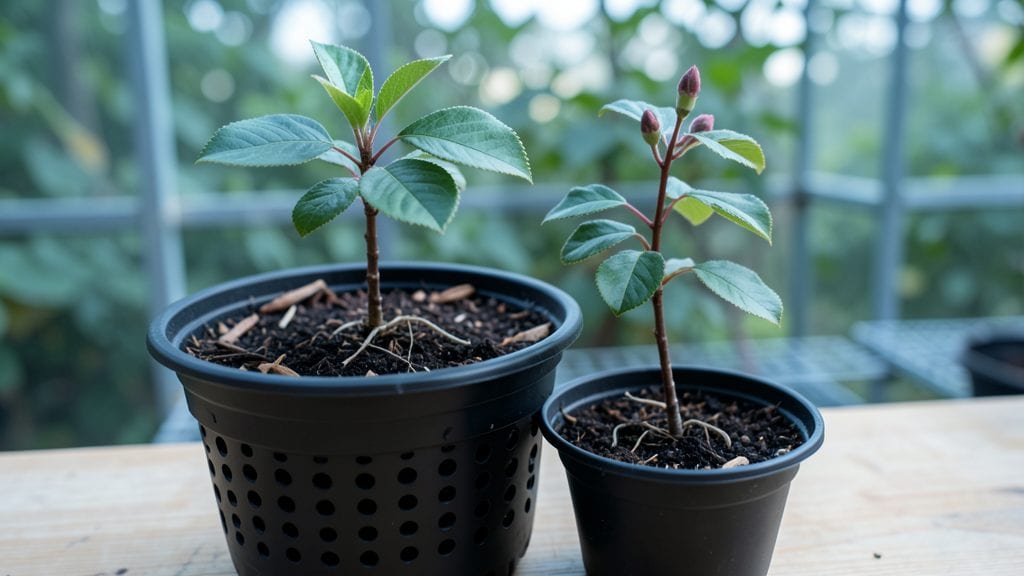
Growing a seedling cherry tree from scratch means you'll be rewarded with fragrant spring blooms and sweet summer fruit—if you avoid the rookie mistakes that kill young trees. 🌱 The key starts with the right soil mix and planting spot, because cherry trees are picky about where they settle in.
I learned this the hard way when my first sapling wilted within weeks of planting.
You only need a few basics: well-draining soil (amend with compost if your native dirt is heavy), a sunny spot with at least 6 hours of direct sunlight daily, and a hole twice as wide as the root ball.
Water deeply right after planting, then taper off to 1-2 inches per week—too much water drowns those delicate roots. Pruning isn’t about shaping yet; it’s about removing dead or crossing branches to keep the tree healthy.
By the end of the first year, you’ll see sturdy new growth and maybe even a few blossoms if you’re lucky. The real payoff comes in years 3-5, when your tree becomes a showstopper with vibrant pink or white blooms and a canopy that provides shade.
The secret? Consistency in care—no neglecting water during dry spells or letting weeds choke the base.
Common challenges like aphids or fungal spots show up early, but organic sprays (neem oil works wonders) keep them in check. Even in colder zones, young trees benefit from a thick layer of mulch in winter to protect roots.
Stick with it, and you’ll have a cherry tree that thrives for decades—just like the one in my neighbor’s yard that’s been bearing fruit since the 1980s.
📚 In This Guide
- What you need
- Instructions
- Tips and common mistakes
- Wrapping up and next steps
What you need
- ● Seedling cherry tree (1-3 years old, disease-resistant variety like Stella® or Sweetheart®)
- ● Pruning shears (bypass-style, sharp, and sterilized—Felco F-2 or Corona recommended)
- ● Loppers (for thicker branches, 8-12" cutting capacity)
- ● Hand pruners (for precision cuts on small branches, Fiskars or Gonicc brands)
- ● Pruning saw (for large branches, Bahco or Fiskars models)
- ● Rubbing alcohol (70% or higher) (for sterilizing tools)
- ○ Pruning sealant (optional, for larger cuts to prevent disease—Tanglefoot Tree Wound Pruning Seal)
- ● Garden gloves (cut-resistant, like GlovesUSA or Fiskars)
- ● Disposable pruning bags (for collecting debris, 10-20 gallon size)
- ● Marking twine or flags (for tagging branches to remove later)
- ● Pruning paint (to seal cuts on older trees)
- ● Ladder or step stool (for taller trees, 6-10 ft reach)
- ● Tree growth regulator (like Bonide Fruit Tree Spray for young trees)
- ● Soil moisture meter (to monitor water needs post-pruning)
- ● Notebook & pen (to track pruning dates and observations)
Step-by-Step guide to growing a seedling cherry tree
Here’s how to nurture a young cherry tree into a thriving, blooming beauty with seasonal care.
🌱 Step 1: Plant Your Seedling in the Right Spot
Choose a location with full sun exposure (6-8 hours daily) and well-draining soil. Cherry trees hate soggy roots, so avoid low spots where water pools. Dig a hole twice as wide as the root ball but no deeper—this prevents stress from being buried too deep.
Gently remove the seedling from its container and loosen any tangled roots. Place it in the hole so the top of the root ball sits 1-2 inches above ground level. This ensures proper drainage and prevents rot. Backfill with native soil, firming it lightly around the roots to eliminate air pockets.
💧 Step 2: Water Deeply and Mulch for Moisture Retention
Water the seedling immediately after planting to settle the soil. Aim for 1-2 gallons of water, soaking the root zone thoroughly. Let the soil dry slightly between waterings—you’ll know it’s time when the top 1-2 inches feel dry to the touch. Overwatering at this stage can suffocate young roots.
Apply a 2-3 inch layer of organic mulch around the base, keeping it 3-4 inches away from the trunk to prevent rot. Mulch conserves moisture, regulates soil temperature, and suppresses weeds. Replenish as needed, especially during dry spells.
☀️ Step 3: Protect and Prune for Strong Growth
Young cherry trees need protection from harsh winds and late frosts. If temperatures dip below 25°F, wrap the trunk with burlap or use frost cloth to shield delicate branches. In early spring, prune any dead, crossing, or weak branches using clean, sharp pruners. Cut just above a bud or branch collar to promote healing.
Focus on shaping the tree’s natural form while it’s young—this prevents over-pruning later. Remove no more than 20-25% of the foliage in the first year. You’ll see stronger growth and fewer structural issues as the tree matures.
⏰ Step 4: Fertilize and Monitor for Pests
Apply a balanced, slow-release fertilizer (10-10-10) in early spring and again after flowering. Follow package instructions for amounts—too much can burn young roots. Cherry trees are prone to pests like aphids and borers, so inspect leaves and bark regularly. Treat infestations early with horticultural oil or insecticidal soap.
Watch for signs of stress: yellowing leaves may indicate overwatering or nutrient deficiency, while curled leaves often signal pest activity. Adjust care based on what you observe—cherry trees are resilient but need attentive support in their early years.
🌿 Step 5: Prepare for Winter and Long-Term Care
As winter approaches, wrap the trunk with tree wrap to protect it from sunscald and rodents. Mulch heavily (up to 4 inches) to insulate roots from freezing temperatures. Prune again in late winter to remove any frost-damaged branches before new growth begins.
Over time, cherry trees develop strong root systems and can handle drier conditions, but young seedlings still need consistent care. With patience and proper techniques, your seedling will grow into a stunning, blooming tree in just a few years.
Tips & tricks for perfect seedling cherry tree growth
Growing a seedling cherry tree takes patience, but these key strategies will help you avoid common pitfalls and give your tree the best start possible.
Soil Preparation Secret: Before planting, mix a handful of compost into the native soil when backfilling the hole. This gives your seedling a nutrient boost right from the start, especially important since young trees have limited root systems. I always use well-aged compost to avoid introducing weeds or pathogens that could harm your delicate seedling.
Watering Wisdom: The 1-2 gallons of water in Step 2 should be applied slowly to prevent runoff. I recommend using a watering can with a narrow spout or a gentle hose setting to direct water right at the root zone. This ensures the entire root ball gets saturated rather than just the surface soil. Watering in the morning lets excess moisture evaporate before nightfall, reducing rot risk.
Pruning Precision: When pruning in Step 3, look for branches that grow inward or rub against each other—they'll create weak points where pests can enter. I always make cuts just above a bud or branch collar, and I sterilize my pruners with rubbing alcohol between cuts to prevent spreading disease. Remember, less is more with young trees—you're shaping their structure for years to come.
Frost Protection Strategy: For that critical 25°F threshold in Step 3, I've found that wrapping the trunk with burlap works best when combined with a layer of bubble wrap underneath. This double protection shields against both cold damage and rodent chewing. In extremely cold climates, you might need to add a layer of straw around the base for extra insulation during the first few winters.
Pro Tips for Seedling Cherry Tree
- Growing a seedling cherry tree takes patience, but these key strategies will help you avoid common pitfalls and give your tree the best start possible.
- Soil Preparation Secret: Before planting, mix a handful of compost into the native soil when backfilling the hole.
- Watering Wisdom: The 1-2 gallons of water in Step 2 should be applied slowly to prevent runoff.
Frequently asked questions
How long does it take for a seedling cherry tree to bear fruit?
A seedling cherry tree typically takes 5 to 7 years to bear fruit, depending on the variety and growing conditions. Patience is key—focus on proper care (water, sunlight, and pruning) to encourage healthy growth. Some dwarf varieties may fruit sooner, but expect a longer wait for standard seedling trees.
Can seedling cherry trees survive winter frost?
Most seedling cherry trees are hardy to USDA Zones 5-8, meaning they can handle light frost. However, young trees (especially those under 3 years old) need extra protection. Mulch the base with 3-4 inches of organic material (like wood chips) and wrap the trunk with burlap if temperatures drop below 10°F (-12°C).
What’s the best alternative if my seedling cherry tree isn’t thriving?
If your seedling struggles, consider grafted cherry trees—they’re more reliable for fruit production and disease resistance. Popular alternatives include ‘Stella’ (sweet cherry) or ‘Montmorency’ (tart cherry). For ornamental appeal, try ornamental cherry trees like ‘Kwanzan’ or ‘Autumn Brilliance,’ which offer stunning blooms with less fuss.
When and how should I prune a young seedling cherry tree?
Prune your seedling cherry tree in late winter or early spring (before buds swell) to shape it and remove dead/diseased branches. Use clean, sharp pruners and cut at a 45-degree angle just above a bud. Avoid heavy pruning—focus on opening the canopy for airflow and sunlight. Pro tip: Disinfect tools with rubbing alcohol between cuts to prevent disease.
Why are my cherry tree leaves curling or spotted?
Curling or spotted leaves often signal pests (aphids, mites) or fungal diseases (like powdery mildew or leaf spot). Treat aphids with a strong spray of water or insecticidal soap. For fungal issues, apply copper fungicide in early spring. Prevention tip: Space trees properly (15-20 ft apart) for airflow and remove fallen leaves to reduce disease risk.
How often should I water a seedling cherry tree?
Water your seedling cherry tree deeply 1-2 times per week (more in extreme heat or drought). The top 6 inches of soil should stay moist but not soggy. First year: Water every 2-3 days to establish roots. Mature trees: Reduce frequency but increase water volume. Mulch helps retain moisture—just keep it 2-3 inches away from the trunk.
Wrapping up and next steps
Growing a thriving seedling cherry tree is all about patience, care, and a little know-how—especially when it comes to pruning for year-round blooms! 🌸 By mastering the right techniques, you’ll ensure your tree stays healthy, vibrant, and full of life.
Whether you’re trimming for shape, encouraging new growth, or preparing for winter, every snip brings you closer to that stunning, fruit-bearing (or flowering!) masterpiece.
Ready to take the next step? Grab your pruners, dust off your gardening gloves, and put your new skills into action. Watch your cherry tree flourish with every season, and soon, you’ll be the envy of the neighborhood with its lush, blooming beauty! 🌱✨