Container Gardens
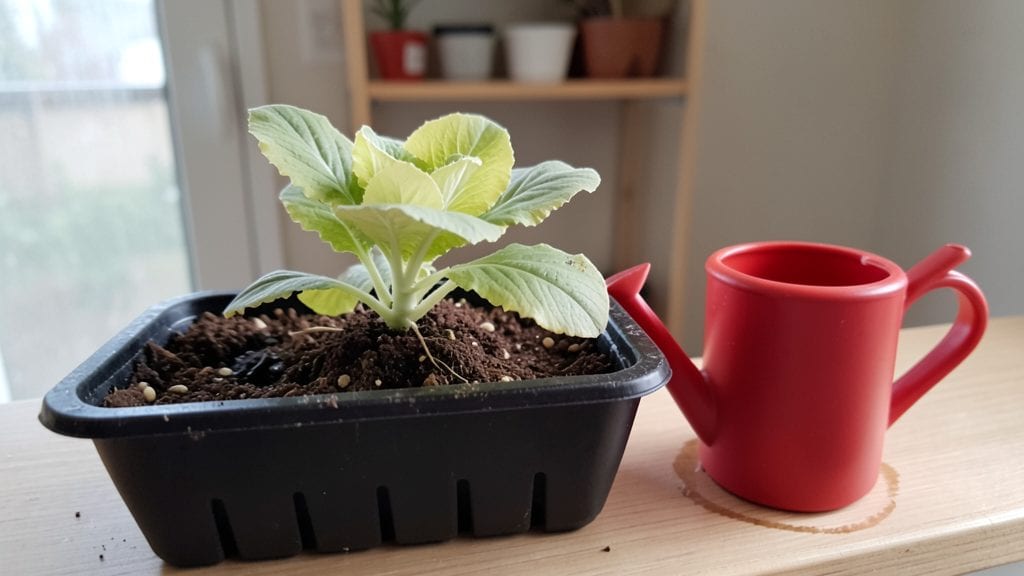
When your seedling isn't growing, it’s usually an easy fix—just not the one you’d expect. 🌱 I’ve seen beginners panic over tiny sprouts, only to realize the issue was something simple like a buried stem or inconsistent watering.
The good news? Most stunted seedlings can bounce back with the right adjustments, and I’ll walk you through the five most common culprits.
Light, water, and soil are the big three, but temperature and pests sneak in as troublemakers too. My first batch of basil nearly gave up because I kept it in a drafty windowsill—once I moved it to a warmer, brighter spot, those leaves perked up in days.
The key is checking each factor one at a time, starting with the most likely suspect.
You’ll spot the difference instantly after making corrections: vibrant green leaves instead of yellowing, sturdy stems instead of flopping, and roots that reach for the soil instead of circling helplessly. By the end, your seedlings will be thriving like they’re in a nursery, not struggling in a seed tray.
This works for herbs, veggies, and flowers—just adjust the care slightly based on what you’re growing. Let’s get those little plants back on track before they throw in the towel for good.
Root Causes of Stunted Seedlings
Understanding why your seedlings aren’t growing is the first step to reviving them. 🌱 Most issues stem from environmental or biological factors that disrupt the delicate balance of growth. Let’s break down the most common culprits—each with a clear explanation and actionable insights to help you troubleshoot.
Seedlings thrive within a narrow temperature range, typically between 60–75°F (15–24°C). If the environment is too cold or too hot, metabolic processes slow down or even halt.
- Too Cold: Below 50°F (10°C), enzymes responsible for growth (like amylase and cellulase) become inactive, stalling root and shoot development. Cold soil also reduces nutrient uptake. - Too Hot: Above 85°F (29°C), seedlings may experience heat stress, leading to wilting, yellowing, or even death.
High temperatures also increase transpiration rates, drying out tender seedlings faster than they can absorb water.
💡 Pro Tip: Use a seedling heat mat (set to 70–75°F) for cool climates or move containers to a shady, sheltered spot if temperatures rise. Monitor with a soil thermometer for precision.
Water is the lifeblood of seedlings, but imbalances can drown roots or stress plants into dormancy.
- Overwatering: Soggy soil cuts off oxygen, leading to root rot (caused by fungi like Pythium). Roots turn brown/mushy, and seedlings collapse. Overwatering also leaches nutrients from the soil. - Underwatering: Dry soil triggers osmotic stress, where roots struggle to absorb water.
Cells plasmolyze (shrink), halting growth. Wilting or crispy leaves are red flags.
⚠️ Warning Signs:
- Overwatered: Yellow leaves, foul smell, mold on soil surface.
- Underwatered: Dry soil pulls away from container edges, drooping leaves.
👨🍳 Fix It:
- Overwatered? Let soil dry slightly between waterings; improve drainage with perlite or vermiculite.
- Underwatered? Water deeply until it drains from the bottom, then top-dress with mulch (like coconut coir) to retain moisture.
Seedlings need 12–16 hours of light daily to photosynthesize, but poor lighting leads to etiolation (weak, leggy stems) or sunburn.
- Low Light: Stems stretch (etiolation) toward light sources, weakening cell walls. Leaves turn pale yellow (chlorosis) due to lack of chlorophyll. - Excessive Light: Direct sun (especially in hot climates) causes sun scald, where leaves develop white or brown patches.
UV damage stunts growth by disrupting photosynthesis.
🌡️ Ideal Light Solutions:
- Natural Light: Place seedlings in a south-facing window (Northern Hemisphere) or use reflective surfaces (like mirrors) to maximize brightness.
- Artificial Light: Use full-spectrum LED grow lights 2–3 inches above seedlings, on a timer for consistency.
Seedlings need macronutrients (N-P-K) and micronutrients for growth, but common soil issues can starve them.
| Nutrient Deficiency | Symptoms | Cause | Fix |
|---|---|---|---|
| Nitrogen (N) | Yellow leaves (older first), stunted growth | Overwatering, poor soil | Add balanced fertilizer (e.g., 10-10-10) or compost. |
| Phosphorus (P) | Dark green/purple stems, slow root growth | Cold soil, over-fertilized with N | Use bone meal or phosphorus-rich fertilizer. |
| Potassium (K) | Weak stems, yellow edges on leaves | Salty soil, drought stress | Apply wood ash or potassium sulfate. |
| Micronutrients (Fe, Mg, Zn) | Yellowing between veins (Fe), brown spots (Mg) | Alkaline soil, poor organic matter | Chelated iron or Epsom salt (for Mg). |
✨ Pro Tip: Start with a gentle, water-soluble fertilizer (like fish emulsion) at half-strength to avoid burning tender roots. Test soil pH—most seedlings prefer 5.8–6.5.
Tiny invaders can devour leaves, roots, or sap, diverting energy from growth.
- Aphids/Spider Mites: Pierce leaves to suck sap, causing stunted shoots and sticky residue (honeydew). Weakened seedlings are more susceptible. - Fungal Diseases (Damping-Off): Caused by Rhizoctonia or Pythium, this rot attacks seedling stems at soil level, causing them to collapse.
Overwatering and poor airflow worsen it. - Root-Knot Nematodes: Microscopic worms burrow into roots, forming galls that block nutrient uptake.
🔥 Prevention & Treatment:
- Pests: Spray with neem oil (1 tsp per liter of water) or introduce ladybugs (natural predators).
- Fungal Issues: Use sterilized soil, sand trays (for airflow), and fungicide (like copper-based sprays).
- Nematodes: Solarize soil (cover with plastic for 4–6 weeks) or use marigold companion plants (natural repellent).
Seedlings need loose, well-aerated soil with organic matter to support root expansion.
- Compacted Soil: Roots struggle to penetrate dense soil, leading to shallow root systems and poor anchorage. Water pools instead of draining, increasing rot risk.
- Low Organic Matter: Without humus or compost, soil lacks nutrients and microbial life essential for breaking down food sources for plants.
🔧 Fix It:
- Loosen soil with a fork or chopsticks before planting.
- Amend soil with peat moss, coco coir, or compost (aim for 30–50% organic content).
- Use raised beds or containers if native soil is too heavy (e.g., clay).
Fix Stunted Seedling Growth Fast
Now that you know what’s holding your seedlings back, let’s turn things around with actionable fixes—no green thumb required! Below, we’ve matched common causes to practical solutions, plus prevention tips to keep your tiny plants thriving long-term. Think of this as your seedling’s emergency repair kit.
Fix: Seedlings need light—12–16 hours daily—but too little or too much can stunt them. Here’s how to dial it in:
- 🔥 Move to a sunnier spot (south-facing windows are ideal in the Northern Hemisphere). If natural light is weak, supplement with a grow light (LED or fluorescent) 2–4 inches above seedlings for 12+ hours/day.
- 👨🍳 Rotate daily: Turn trays 180° every 24 hours so seedlings lean toward light evenly (no lopsided growth!).
- ⏰ Extend daylight: Use a timer for grow lights to mimic long summer days.
💡 Prevention Tip: Start seeds 2–3 weeks before the last frost (or use a heat mat to speed germination) so they’re ready for outdoor light by the time they’re transplanted.
Fix: Watering is 80% of the battle—too much or too little stresses seedlings.
- 🥘 Check soil moisture: Stick your finger 1 inch deep. If dry, water gently until moisture reaches the bottom of the tray (no soggy roots!). If soil stays wet >2 days, reduce watering.
- 🔪 Use the right tools: Drip irrigation or a spray bottle (for delicate seedlings) beats heavy watering. Avoid trays without drainage holes—root rot is a silent killer.
- 🌡️ Adjust for humidity: Group seedlings together (or use a humidity dome) to retain moisture, but remove domes once sprouts appear to prevent fungal issues.
✨ Pro Tip: Water in the morning so leaves dry by night—fungus hates sunlight!
Fix: Seedlings thrive in 65–75°F (18–24°C). Too cold? Growth stalls. Too hot? Stress sets in.
- 🔥 Heat mats (for germination) or seedling heaters work wonders for slow starters like peppers or tomatoes.
- 👨🍳 Move to a warmer spot: Bathrooms (with vents open) or near south-facing windows can add natural warmth.
- ❄️ Avoid drafts: Keep seedlings away from AC vents, doors, or windows that open at night.
🎯 Prevention Tip: If your home runs cold at night, cover seedlings with a lightweight row cover (like a breathable fabric) to trap heat.
Fix: Weak, yellow seedlings? They’re hungry—but too much fertilizer = fertilizer burn.
- 📊 Start with half-strength liquid fertilizer (like fish emulsion or seaweed extract) 7–10 days after sprouting. Use every 2–3 weeks.
- 🥗 DIY boost: Mix 1 tsp Epsom salt per gallon of water (for magnesium) or 1 tsp baking soda (for calcium) if leaves yellow between veins.
- 🍎 Avoid overcrowding: Seedlings compete for nutrients. Thin to 2–3 inches apart if roots are tangled.
💡 Prevention Tip: Use sterile, seed-starting mix (not garden soil) to avoid compacting roots and nutrient imbalances.
Fix: Tiny invaders or mold can derail growth in days. Catch them early! - 🔪 Inspect daily: Look for aphids, fungus gnats, or powdery mildew (white fuzzy spots).
Wipe leaves with neem oil solution (1 tsp neem oil + 1 quart water). - 🥘 Quarantine new plants: Keep seedlings away from outdoor plants until pest-free. - 🌡️ Improve airflow: Space trays apart and avoid overhead watering to prevent fungal growth.
🔥 Emergency Fix: For damping off (black stem rot), sprinkle cinnamon powder on soil or spray with hydrogen peroxide (3%) to kill fungus.
Fix: If seedlings are root-bound or leggy, it’s time to repot or harden off. - 👨🍳 Repot carefully: Gently remove from trays, tease roots apart if tangled, and plant in slightly larger containers with fresh soil. - 🥘 Harden off gradually: Over 7–10 days, move seedlings outside for 1–2 hours daily, increasing time each day.
Start with shade cloth to avoid sunburn. - ⏰ Time it right: Transplant after the last frost and when seedlings have 2–4 true leaves.
✨ Pro Tip: Use egg cartons or biodegradable pots for easy transplanting—no root disturbance!
Before you panic, run through this quick fix list:
- Light: Are they within 2–4 inches of a grow light or sunny window?
- Water: Is soil moist but not soggy? Drainage holes present?
- Temp: Are they in a warm, draft-free zone?
- Nutrients: Have you fertilized once (lightly) since sprouting?
- Space: Are roots crowded? Thin or repot if needed.
- Pests: Any weird spots or bugs? Inspect under leaves!
💪 Remember: Seedlings grow in fits and starts. If you’ve ruled out the big issues, give them 1–2 weeks to bounce back before troubleshooting further. Patience (and a little TLC) pays off with strong, vibrant plants ready for the garden!
Frequently asked questions
Why is my seedling stretching toward the light but staying small?
This is called etiolation, where seedlings stretch toward light but grow weak. It happens when they don’t get enough 12–16 hours of light daily. Move them to a sunnier window or use a grow light 2–4 inches above for balanced growth. Rotate trays daily so they grow straight, not lopsided.
How often should I water seedlings that aren’t growing?
Check soil moisture by sticking your finger 1 inch deep. Water only when the top layer feels dry, using a spray bottle for delicate sprouts. Avoid soggy soil—it causes root rot. Morning watering prevents fungal growth, and containers must have drainage holes to avoid waterlogging.
Can I save a seedling with yellow leaves and weak stems?
Yellow leaves often mean overwatering or nutrient deficiency. Let soil dry slightly between waterings and add a half-strength fertilizer (like fish emulsion) if leaves yellow from the bottom up. For magnesium deficiency (yellow between veins), mix 1 tsp Epsom salt per gallon of water and water lightly. Move to brighter light too.
What’s the best temperature range for seedling growth?
Seedlings thrive between 65–75°F (18–24°C). Below 50°F (10°C), growth slows dramatically, and above 85°F (29°C)seedling heat mat for cool climates or move them to a warmer spot like a bathroom with vents open. Avoid drafts from AC or open windows.
My seedlings are moldy—what should I do?
Mold (often white or fuzzy) signals overwatering or poor airflow. Remove moldy seedlings immediately to prevent spread. Let soil dry between waterings, and space trays apart for better airflow. Sprinkle cinnamon powder on soil or spray with hydrogen peroxide (3%) to kill fungus. Avoid overhead watering to keep leaves dry.