Vegetables
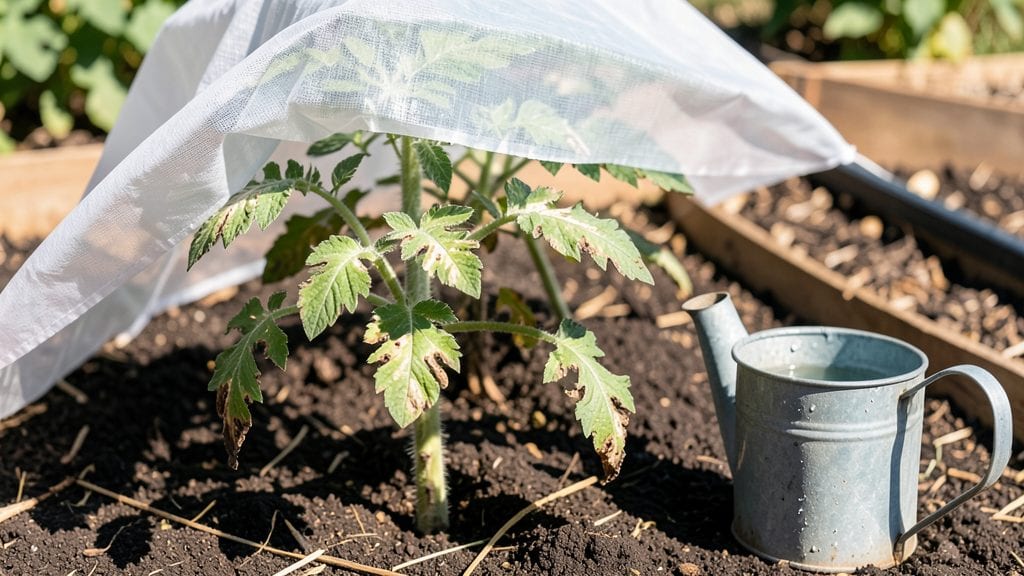
My tomato seedlings turned into crispy little sunburn victims after just two hours outside—blistered leaves, wilted stems, and all the hope of a summer harvest wilting right before my eyes. 🌱 The problem isn’t just too much sun; it’s the sudden shock when tender seedlings go from cozy indoor life to brutal midday rays without warning.
That first afternoon, I watched in horror as their delicate leaves curled and turned white, like they’d been left out in a tanning bed without sunscreen.
The fix is simpler than you’d think: shade cloth saves the day every time. I grabbed a 30% shade cloth from the garden center (cheap and reusable) and draped it over my seedlings for their first week outside.
That’s all it took to stop the damage—no fancy equipment, just a few dollars and 10 minutes of setup. The key is gradual exposure: start with 2-3 hours of morning sun on day one, then add another hour each day until they’re ready for full sun by week three.
What you’ll see after a week of proper shading is a vibrant green comeback—new leaves unfurling, sturdy stems, and seedlings that actually look excited to grow. The blisters disappear, the plants toughen up, and suddenly you’ve got a foolproof transition to outdoor life.
Even better, this method works for peppers, eggplants, and any other tender seedlings you’re nursing along.
Once they’re hardened off, keep them in partial shade during the hottest part of the day until they’re well-established. And if you’re in a hotter climate, consider starting with 50% shade cloth—those seedlings will thank you with a productive harvest instead of a sad, sun-scorched pile of disappointment.
The Hidden Triggers Behind Leaf Scorch
When your tomato seedlings develop crispy, bleached patches or blistered leaves, it’s often a sign of sunburn—but not the kind you’d expect from a summer day at the beach. Instead, these delicate plants are suffering from radiation stress, a condition where intense sunlight overwhelms their protective mechanisms.
Let’s break down the science behind why this happens and what’s really damaging your seedlings.
Tomato seedlings are not naturally equipped to handle direct, intense sunlight—especially when they’re young. Their leaves contain chlorophyll, which absorbs light for photosynthesis, but too much UV radiation (particularly UV-B) and infrared heat can disrupt cellular function. Here’s how it plays out:
- Thin Cell Walls: Seedlings have delicate epidermis layers that lack the waxy cuticle found on mature plants. Without this protective barrier, water evaporates faster, and cells desiccate (dry out) under harsh sun.
- Photosynthesis Overload: When light exceeds what the plant can process, reactive oxygen species (ROS) form as byproducts. These molecules damage cell membranes, leading to bleached or necrotic (dead) spots.
- Temperature Spikes: Soil and air temps above 90°F (32°C) can cause heat stress. Seedlings wilt, and their leaves blister as cells expand unevenly from trapped moisture.
Actionable Insight: If your seedlings are in full sun (6+ hours of direct light), they’re at high risk—especially in afternoon heat (12 PM–4 PM). Even 30–50% shade cloth can reduce leaf temps by 10–15°F (5–8°C), preventing burn.
Tomato plants are shade-tolerant as seedlings but need gradual exposure to sunlight to avoid shock. This process is called hardening off, and skipping it is a fast track to sunburn. Here’s why:
- Low Chlorophyll Density: Young leaves produce less chlorophyll than mature ones, so they can’t efficiently dissipate excess light energy. Without enough of this pigment, UV radiation penetrates deeper, damaging underlying tissues.
- Weak Antioxidant Defense: Seedlings lack the carotenoids and flavonoids that mature plants use to neutralize ROS. These compounds act like natural sunscreen, but seedlings are running on empty.
- Rapid Transpiration: When moved from indoor/greenhouse conditions to bright outdoor light, seedlings lose moisture faster than roots can absorb it. This creates osmotic stress, causing leaves to curl and blister.
Actionable Insight: Harden off seedlings over 7–10 days by gradually increasing sunlight exposure. Start with 2–3 hours/day in partial shade, then slowly move them to morning sun only before full sun. Shade cloth (30%) during peak hours can bridge the gap.
Water isn’t just about hydration—it’s a coolant for plants. When seedlings are underwatered and exposed to intense sun, they suffer a double whammy of heat and dehydration. Here’s the science:
- Closed Stomata Trap Heat: To conserve water, seedlings close their stomata (tiny leaf pores). But closed stomata block transpiration, the plant’s natural cooling system. Without airflow, leaf temps can surpass air temps by 10–20°F (5–11°C).
- Cell Membrane Damage: Dehydrated cells shrink and rupture when exposed to intense light. This creates blistered or glassy patches—a classic sign of sunburn combined with drought.
- Nutrient Imbalance: Water stress disrupts the uptake of calcium and magnesium, which are critical for cell wall stability. Without these minerals, leaves become prone to collapse under sunlight.
Actionable Insight: Water seedlings deeply in the morning (before 10 AM) to give roots time to absorb moisture before peak heat. Use mulch (straw or grass clippings) to retain soil moisture and reduce temperature fluctuations. Drip irrigation is ideal—it delivers water directly to roots without wetting leaves (which can concentrate sunlight).
Even if seedlings are properly hardened off, transplant shock can leave them vulnerable to sunburn. When roots are disturbed or crowded, the plant’s ability to regulate water and temperature takes a hit:
- Limited Root Zone: Seedlings in small pots or root-bound cells have restricted root growth. This means they can’t absorb enough water to offset sun exposure, leading to rapid wilting and burn.
- Delayed Recovery: Transplanting triggers stress hormones like ethylene, which can temporarily shut down photosynthesis. During this vulnerable period, leaves are more susceptible to UV damage.
- Poor Soil Contact: If seedlings are planted too deep or roots are damaged, they struggle to anchor properly. This makes them top-heavy and more prone to leaf scorch from wind + sun combo.
Actionable Insight: When transplanting, bury seedlings deeper (up to the first true leaves) to encourage root growth. Use well-draining soil mixed with compost to reduce shock. After planting, provide shade for 3–5 days (even a simple breathable cloth) to let roots recover before full sun.
Quick fixes for blistered tomato leaves
If your tomato seedlings are showing signs of sunburn, don’t panic—there are simple, effective ways to nurse them back to health and prevent further damage. The key is acting fast and adjusting their environment to protect their delicate leaves.
Below, we’ve broken down the most common causes of sunburn in seedlings and matched them with practical solutions. Plus, we’ll share proactive tips to keep your plants thriving.
When seedlings are exposed to intense midday sun—especially in hot climates or during heatwaves—their leaves can blister or turn white in minutes. Here’s how to cool them down and prevent further stress:
- 🌿 Move to Partial Shade: Relocate seedlings to a spot with dappled sunlight (like under a tree or patio cover) for a few days. Avoid full shade, as they still need light to grow.
- 💦 Hydrate Deeply: Water the soil thoroughly in the early morning or late evening to help regulate temperature. Avoid wetting leaves, as this can worsen sun damage.
- 🧊 Use a DIY Shade Tent: If you can’t move them, drape a lightweight white or beige cloth (like an old bedsheet) over the seedlings to filter harsh rays. Secure it loosely to allow airflow.
- 🌱 Trim Damaged Leaves: Snip off severely blistered leaves with clean scissors. This redirects the plant’s energy to healthy growth.
💡 Pro Tip: If your seedlings are in containers, place them on a reflective surface (like a white tray or gravel) to bounce back some light without overheating.
Seedlings that were started indoors or in low-light conditions can suffer from transplant shock when moved to bright sunlight too quickly. Their leaves may scorch within hours. To harden them off safely:
- 🕒 Start Slow: Begin with 1–2 hours of morning sun per day, then gradually increase exposure over 7–10 days. Avoid peak sun (10 AM–4 PM).
- 🌿 Use a Cloche or Row Cover: A clear plastic dome or lightweight fabric cover can diffuse sunlight while allowing light through. Remove it daily to increase sun tolerance.
- 🌱 Monitor Leaf Color: Healthy leaves should be a vibrant green. If they turn pale or develop white patches, reduce sun exposure immediately.
✨ Prevention Hack: If you’re using grow lights indoors, mimic natural sunlight by gradually reducing light intensity over a week before moving seedlings outside.
Stagnant air traps heat and moisture, creating a greenhouse effect that can scorch leaves. If your seedlings are crowded or in a confined space:
- 🌬️ Thin Out Seedlings: Space plants at least 6–12 inches apart to improve airflow. This reduces humidity buildup and lowers leaf temperature.
- 🔥 Use a Small Fan: Place a gentle fan (on low) near the seedlings for 10–15 minutes daily. This mimics wind and cools the leaves without stressing the plants.
- 🏡 Choose the Right Location: Avoid placing seedlings near walls, fences, or other structures that trap heat. Opt for open, breezy areas.
🎯 Long-Term Fix: If growing in containers, elevate them slightly (using bricks or saucers) to prevent heat from radiating upward and baking the roots.
Leggy, pale seedlings with long stems are often weak from insufficient light and struggle when suddenly exposed to direct sun. To fortify them:
- 💡 Supplement with Grow Lights: If seedlings are indoors, provide 12–16 hours of light daily using LED or fluorescent grow bulbs. Keep them 2–4 inches above the plants.
- 🌱 Fertilize Lightly: Use a balanced, water-soluble fertilizer (like 5-5-5) at half strength to encourage sturdy growth. Avoid high-nitrogen fertilizers, which promote leafy (but weak) growth.
- 🍃 Prune Strategically: Trim the top set of leaves just above a lower leaf node to encourage bushier growth. This helps the plant support itself better in sunlight.
💡 Pro Tip: Bury a third of the seedling’s stem when transplanting. This encourages roots to grow along the buried section, creating a stronger base.
Once your seedlings recover, follow these steps to prevent future sun damage:
| Step | Action |
|---|---|
| ⏰ Timing | Plant seedlings in the early spring or late summer to avoid peak sun intensity. |
| 🌿 Location | Choose a site with morning sun and afternoon shade, especially in hot climates. |
| 🧵 Shade Cloth | Use 30–50% shade cloth for the first 2–3 weeks after transplanting. |
| 💧 Watering | Water deeply in the morning to keep soil moist but not soggy. |
| 🌱 Mulch | Apply a 1–2 inch layer of straw or wood chips to retain moisture and cool roots. |
With these fixes, your tomato seedlings should bounce back within a week—ready to grow into healthy, sun-resistant plants. And remember: patience is key! Gradual adjustments will give your seedlings the best chance to thrive.
Frequently asked questions
How do I know if my tomato seedlings have sunburn?
Look for white or pale patches on leaves, blistered or crispy textures, and wilting stems. These are classic signs of sun damage. Check the undersides of leaves first—they’re most vulnerable to UV radiation. If you see these symptoms, move seedlings to shade immediately.
Can tomato seedlings recover from sunburn?
Yes! Trim severely damaged leaves and provide shade for 3–5 days. Water deeply in the morning to help recovery. Most seedlings bounce back within a week if you catch it early. Avoid full sun until new growth appears.
What’s the best shade cloth percentage for seedlings?
Start with 30–50% shade cloth for the first 2–3 weeks after transplanting. This blocks harmful UV rays while allowing enough light for growth. In hot climates, use 50% until seedlings are established.
How long does hardening off take?
Hardening off should take 7–10 days total. Begin with 1–2 hours of morning sun on day one, then increase exposure by 1 hour daily. Avoid afternoon sun until the final 2–3 days.
Will mulch help prevent sunburn?
A 1–2 inch layer of straw or wood chips keeps soil cool and retains moisture. This prevents heat stress from radiating upward. Apply mulch after transplanting and keep it 2–3 inches away from stems.