Plants
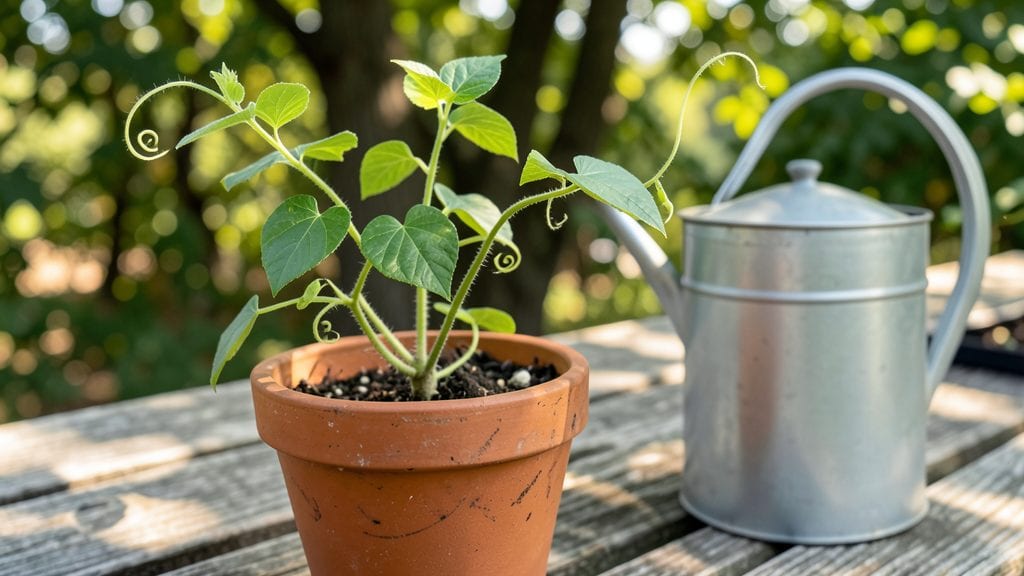
Cold-moist prep turns trumpet vine seedlings into the bold climbers they’re meant to be. 🌿 I’ve learned that skipping this step means weak stems and sparse blooms—soaking seeds overnight and keeping them damp during germination is where the magic starts.
The key isn’t just water; it’s patience and consistency, because these vines grow fast once they get going.
You’ll need a mix of potting soil and perlite for drainage, a clear plastic bag to trap humidity, and a sunny windowsill or grow light. The soil should stay moist but never soggy—think of a wrung-out sponge.
Trumpet vines thrive on neglect once established, but seedlings demand attention in their early weeks, or they’ll stretch toward the light like starving kittens.
By the time you transplant, you’ll have sturdy 3-inch seedlings ready to conquer trellises or fences. The blooms that follow—bright orange trumpets—are worth every bit of care, but here’s the catch: these vines spread aggressively. Plant them where they can roam, or expect to tame them like a wildfire.
This method works for both zone 5 and warmer climates, though southern gardeners should start earlier to beat the heat. The secret? Cold-moist prep in spring, then let the sun do the rest. Ready to grow something spectacular?
📚 In This Guide
- What you need
- Instructions
- Tips and common mistakes
- Wrapping up and next steps
What you need
- ● Trumpet vine seeds: 5–10 seeds (fresh or stored properly for best germination).
- ● Seed-starting mix: 2–3 cups of high-quality, sterile potting soil (look for a mix labeled for seedlings or seed-starting).
- ● Seed trays or small pots: 2–4 biodegradable or plastic pots (3–4 inches in diameter) or a seed tray with individual cells.
- ● Grow lights or sunny windowsill: A dedicated space with 6–8 hours of indirect light daily (or a grow light for 12–16 hours/day).
- ● Spray bottle: For gently misting seeds without disturbing them.
- ● Plastic wrap or humidity dome: To retain moisture during germination (clear plastic wrap or a small propagator lid works).
- ● Watering can or spray bottle: With a fine mist setting to keep soil moist but not soggy.
- ○ Fertilizer (optional but helpful): A balanced, water-soluble fertilizer (e.g., 10-10-10) diluted to half-strength for seedlings.
- ● Tweezers or pencil: For carefully pressing seeds into the soil.
- ○ Heat mat (optional): If your home is chilly, a seedling heat mat (70–75°F) can speed up germination.
- ● Fertilizer injector: For easy application if you’re not using liquid fertilizer.
- ● Pruning shears: For trimming leggy seedlings later (if needed).
- ● Garden journal or labels: To track planting dates and seedling progress!
Step-by-Step instructions for growing trumpet vine seedlings
Here's how to get those trumpet vine seedlings off to a strong, moist start for stunning summer blooms.
🌱 Step 1: Prepare the Seed Starting Mix
Fill your seedling trays with the 3 gallons of moist potting mix you've prepared. I like to add a handful of perlite to each tray—it helps prevent that dreaded soil compaction that can drown tender roots. Mix it in gently with your hands until the perlite is evenly distributed throughout the mix.
Moisten the mix until it feels like a wrung-out sponge—damp but not dripping. You want moisture that stays consistent without turning soggy. Tap the tray lightly on the table to settle the soil evenly. This ensures good contact between seeds and soil, which is critical for germination.
💧 Step 2: Sow Seeds at the Right Depth
Scatter the 1 packet of trumpet vine seeds evenly across the tray surface. These seeds are tiny, so I use a small spoon to distribute them without clumping. Press each seed lightly into the soil with your finger—just enough to make contact, but don't bury them too deep. Trumpet vine seeds need light to germinate, so keep them no deeper than ¼ inch below the soil surface.
Once all seeds are planted, give the tray a light misting with your spray bottle. The goal is to keep the soil surface moist but not waterlogged. You'll know it's right when the top layer looks damp but doesn't form puddles. Cover the tray with a clear plastic dome or wrap it in plastic wrap to retain that precious moisture and warmth.
☀️ Step 3: Provide Warmth and Indirect Light
Place the tray in a spot where it gets bright, indirect light—think filtered sunlight rather than harsh midday rays. Trumpet vine seedlings need warmth to germinate, so I set mine on a seedling heat mat kept at 75-80°F. This warmth helps speed up germination, which typically takes 10-14 days. If you don't have a heat mat, a sunny windowsill will work, but germination may take a bit longer.
Check the soil moisture every 2-3 days. You'll see condensation on the plastic cover—this is normal. If the soil starts to dry out, mist it lightly again. Avoid overwatering, though; too much moisture can lead to fungal issues that will kill your seedlings before they even sprout.
🌿 Step 4: Thin Seedlings and Encourage Strong Growth
Once the seedlings have developed their first true leaves (those are the second set after the initial cotyledons), it's time to thin them. Use small scissors to snip the weaker seedlings at soil level, leaving only the strongest 4 seedlings in each tray. This gives the remaining plants plenty of room to grow without competing for nutrients.
After thinning, move the seedlings to a spot with more direct sunlight, like a south-facing window or under a grow light. Trumpet vines love light, and this will help them develop strong stems and leaves. Water gently from the bottom of the tray to encourage deep root growth. You'll know they're thriving when they stand tall and sturdy, with vibrant green leaves.
⏰ Step 5: Prepare for Transplanting
About 4-6 weeks after sowing, when your seedlings have 4-6 true leaves and are 3-4 inches tall, they're ready for transplanting. Harden them off first by placing them outside in a sheltered spot for 1-2 hours the first day. Gradually increase their outdoor time over 7-10 days until they can stay outside all day.
Before transplanting, water the seedlings thoroughly. This ensures they're well-hydrated and reduces transplant shock. Choose a spot with full sun and well-draining soil. Dig holes slightly larger than the root balls and space them 6-8 feet apart—trumpet vines grow large and need room to spread. Plant them at the same depth they were in the trays, and water deeply to settle the soil around the roots.
Tips & tricks for perfect trumpet vine seedlings
A few simple tricks will help you maintain that perfect moisture balance and give your trumpet vine seedlings the best possible start.
The Moisture Balance: In Step 1, when you're preparing the 3 gallons of moist potting mix, I recommend adding an extra handful of vermiculite along with the perlite. Vermiculite holds moisture better than perlite, helping maintain that wrung-out sponge consistency for longer periods. This is especially helpful if you're in a dry climate or forget to check moisture frequently.
Seed Depth Precision: The ¼-inch depth mentioned in Step 2 is crucial—any deeper and your trumpet vine seeds won't get the light they need to germinate. I like to use a toothpick to mark the ¼-inch depth in my trays before planting. This visual guide prevents over-burying, which can lead to poor germination rates. Trust me on this: precise depth makes all the difference.
Plastic Cover Strategy: When covering your trays in Step 2, don't just use any plastic—opt for clear plastic wrap or a dome that allows some light penetration. I've found that completely opaque covers can create too much humidity, which leads to fungal growth. Poke a few small holes if needed to allow for gentle air circulation while maintaining moisture.
Transplanting Timing: The 4-6 week window in Step 5 is flexible, but don't wait until your seedlings are too tall. I've seen trumpet vine seedlings that were 5 inches tall when transplanted struggle to establish properly. Aim for the 3-4 inch range—this gives them enough size to handle transplant shock while still being manageable to work with.
Pro Tips for Trumpet Vine Seedling
- A few simple tricks will help you maintain that perfect moisture balance and give your trumpet vine seedlings the best possible start.
- The Moisture Balance: In Step 1, when you're preparing the 3 gallons of moist potting mix, I recommend adding an extra handful of vermiculite along with the perlite.
- Seed Depth Precision: The ¼-inch depth mentioned in Step 2 is crucial—any deeper and your trumpet vine seeds won't get the light they need to germinate.
Frequently asked questions
Got questions about growing trumpet vine seedlings? You’re not alone! Here are some of the most common queries—plus quick, actionable answers to keep your plants thriving.
How long does it take for trumpet vine seedlings to sprout?
With the right cold-moist stratification, trumpet vine seeds typically sprout in 2–4 weeks. If you’ve prepped them correctly (chilled for 6–8 weeks in damp peat moss), consistency is key—keep the soil evenly moist and warm (around 70°F) once sprouts appear. Patience pays off!
What if my seeds don’t sprout after stratification?
Don’t panic! Trumpet vine seeds can be finicky. Try these fixes:
- Check moisture: Overly dry or soggy soil can kill germination. Aim for consistently damp (not waterlogged) peat moss.
- Adjust temperature: If your space is too cold (<50°F), move the tray to a warmer spot (like near a sunny window).
- Test viability: If seeds stay dormant after 2 months, they may be old or damaged. Try fresh seeds or a new batch.
Can I grow trumpet vine from cuttings instead of seeds?
Cuttings are a faster, easier way to propagate trumpet vine. In spring or early summer, snip a 4–6 inch healthy stem, remove lower leaves, and dip in rooting hormone. Plant in moist potting mix, cover with a plastic bag, and keep in bright, indirect light. Roots should form in 2–4 weeks!
When is the best time to transplant seedlings outdoors?
Wait until after the last frost and when nighttime temps stay above 55°F—usually late spring (May–June in most zones). Harden off seedlings by gradually exposing them to outdoor conditions for 1–2 weeks before planting. Choose a sunny, well-draining spot with a sturdy trellis or fence for support.
Why are my trumpet vine seedlings wilting or turning yellow?
Wilting or yellowing often signals overwatering, underwatering, or pests. Here’s how to troubleshoot:
- Overwatering: Trumpet vine seedlings hate soggy roots. Let the top inch of soil dry out between waterings.
- Underwatering: Drooping leaves? Water deeply but avoid heavy soil. A mix of 50% potting soil + 50% perlite improves drainage.
- Pests: Check for aphids or spider mites. Spray with neem oil or insecticidal soap if needed.
- Nutrient deficiency: Yellow leaves can mean nitrogen lack. Use a balanced fertilizer (10-10-10) when seedlings are 3–4 inches tall.
Wrapping up and next steps
Growing trumpet vine seedlings with cold-moist prep is your ticket to stunning summer blooms that’ll steal the show! 🌸 With the right materials, patience, and a dash of care, you’ve got everything you need to nurture these vibrant climbers into thriving plants.
Remember, success starts with preparation—whether it’s chilling seeds, keeping them moist, or giving them the perfect growing conditions.
Now that you’re armed with knowledge, take the next step! Grab those seeds, follow your prep plan, and watch your garden transform. Before you know it, your trumpet vine will be climbing, blooming, and filling your space with color. Happy planting—your future summer paradise awaits! 🌿✨