Vegetables
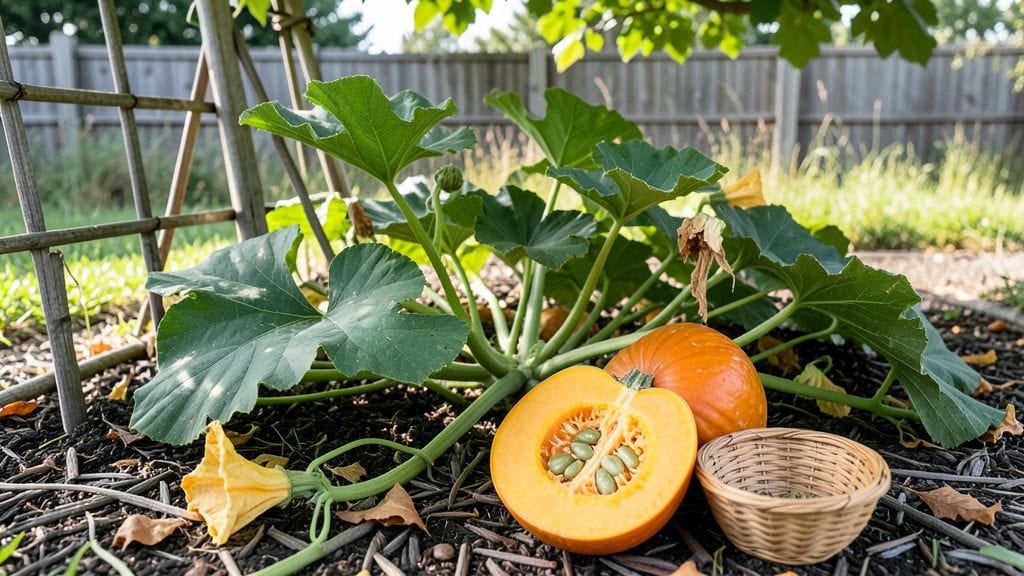
Pumpkin seeds start green because chlorophyll develops during early growth, acting like a natural solar panel to convert sunlight into energy. As they mature, the green pigment fades, revealing their classic white or cream hue beneath.
This green phase isn't just about color—it's a survival strategy. 🌱 Young pumpkin seeds rely on chlorophyll to power their development before the plant's nutrients fully kick in. Think of it like a seed's first meal: sunlight gives them the energy to grow strong roots and store nutrients for later.
Once they've stockpiled enough reserves, the plant shifts focus to hardening the outer shell, which is when that vibrant green begins to fade away.
Here's the interesting part: this process isn't unique to pumpkins. Many seeds—like those from cucumbers or squash—go through a similar chlorophyll phase. The key difference is that pumpkin seeds completely lose their green tint as they mature, while others might retain traces or develop different pigments entirely.
The timing of this transition depends on factors like sunlight exposure and temperature, which is why you might see variations in seed color even within the same pumpkin patch.
💡 In This Article
- Chlorophyll’s Role in Seed Development
- How to Identify Ripeness in Pumpkin Seeds
Chlorophyll’s role in seed development
Young pumpkin seeds produce chlorophyll through a process called photosynthesis, where sunlight triggers the production of this green pigment in their outer layers. This happens during the seed's early development when it's still attached to the plant's vascular system but hasn't yet developed its hard outer shell.
The chlorophyll acts like tiny solar panels, converting light energy into glucose that fuels the seed's growth, particularly the development of its embryonic plant within.
This phase typically lasts 4-6 weeks depending on growing conditions, with seeds absorbing up to 80% more sunlight than mature seeds due to their larger surface area and thinner protective layer.
The chlorophyll concentration in pumpkin seeds can reach 0.5-1.2 milligrams per gram of fresh seed tissue during peak photosynthesis, which is why they appear vividly green. For comparison, mature pumpkin leaves contain about 1.5-2.5 mg/g, showing how seeds prioritize this energy capture.
What's fascinating is that this chlorophyll production follows a specific pattern: it begins in the seed's outer epidermis (the skin layer) and gradually moves inward as the seed grows. 💫 This creates a gradient effect where the outer layer stays green longest while inner layers begin their color transition earlier.
As seeds mature, the plant initiates a process called senescence, where chlorophyll production stops and existing chlorophyll breaks down through enzymatic activity. This transition occurs when the seed's energy reserves (stored as starch and oils) reach about 70-80% of their final capacity.
The breakdown products are recycled into the plant's nutrient cycle, while the seed's outer layer hardens into its familiar white or cream color. This color change isn't just cosmetic—it's a protective adaptation that reduces water loss and UV damage as the seed prepares for dormancy.
Unlike pumpkin seeds, many other seeds retain their chlorophyll or develop different pigments. Sunflower seeds, for example, maintain a green hue throughout development because their outer shell remains thin and photosynthetic until harvest.
Even after harvest, sunflower seeds can stay green if not fully dried, which explains why some commercial sunflower seeds appear greenish. The key difference is that pumpkin seeds undergo a complete pigment transition, while others often preserve some photosynthetic capability longer.
This variation explains why you might see green-tinged seeds in some varieties of squash or gourds—these plants haven't fully optimized their seed maturation process.
Temperature plays a crucial role in this transition. Seeds grown in cooler climates (60-70°F) may retain chlorophyll longer because their metabolic processes slow down, delaying the breakdown of the green pigment.
In warmer conditions (> 80°F), the color change happens more rapidly as enzymes break down chlorophyll at faster rates.
This environmental sensitivity is why you might notice variations in seed color even within the same pumpkin species grown in different regions. 🌿 The optimal temperature range for complete chlorophyll degradation in pumpkin seeds sits around 75-85°F, where the balance between enzyme activity and seed hardening creates the classic white seeds we recognize.
What most people don't realize is that this chlorophyll phase serves a dual purpose beyond energy production. The green pigment also helps regulate the seed's temperature during development, preventing overheating in direct sunlight. This thermoregulation effect is particularly important for seeds growing in exposed vines where temperatures can fluctuate dramatically.
Once the seed's protective shell fully develops, this temperature regulation becomes less critical, allowing the chlorophyll to fade completely.