Transplanting
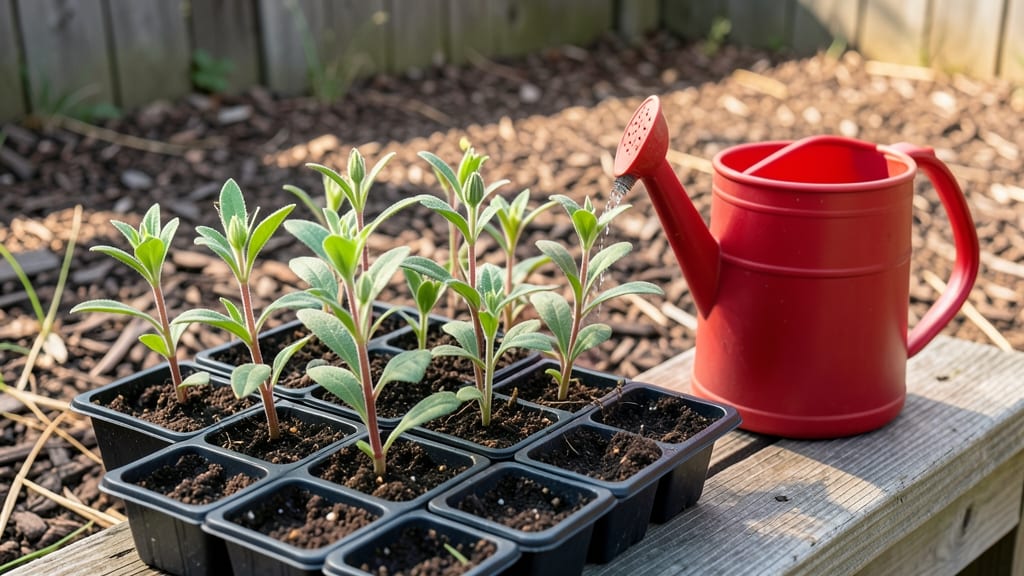
Growing strong Four O'Clock seedlings 🌺 starts with the right transplant timing and care—miss the window, and you risk weak plants that struggle to bloom.
Transplanting too early can shock tender roots, while waiting too long means seedlings outgrow their containers and become leggy. The key is knowing when soil warms to 60°F+ and your seedlings have 4-6 true leaves—that’s when they’re ready to thrive in the garden.
Whether you’re in USDA Zone 6a or beyond, these tips will help you avoid common pitfalls like damping-off and ensure your seedlings take hold for months of vibrant blooms.
From soil prep to post-transplant care, I’ll walk you through every step so your Four O'Clock Flowers grow perfectly from the start.
When to transplant 4 o'clock seedlings for optimal growth
Transplanting 4 o'clock seedlings too early or late can spell disaster—frost kills tender plants, while waiting too long stunts their growth. The key is matching your local climate zone with soil warmth and seedling readiness.
For Mirabilis jalapa, timing ensures robust roots and vibrant blooms that last through summer and fall.
Your seedlings need 4-6 true leaves and a sturdy stem diameter (about the thickness of a pencil) before transplanting. Check roots by gently tugging—they should have 2-3 inches of root growth with a healthy white core. Ignoring these signs leads to weak plants that struggle to recover.
Soil temperature is non-negotiable: 4 o'clock flowers thrive in soil at 60°F or warmer. Use a soil thermometer to confirm—cold soil slows root development and invites disease. In cooler zones, wait until nighttime temperatures consistently stay above 55°F to avoid transplant shock.
Your last frost date is your deadline, but don’t rush! In USDA Zones 3-5, aim for 2-3 weeks after frost when soil warms. Southern gardeners (Zones 8-10) can transplant as early as February-March, but avoid extreme heat—seedlings hate 90°F+ soil. Balance is everything.
Here’s how to compare transplanting windows across zones—plus what to watch for in your 4 o'clock seedlings before digging them up:
| Climate Zone | Ideal Transplant Window | Soil Temp Requirement | Seedling Readiness | Key Risks |
|---|---|---|---|---|
| Zones 3-5 (Northern US) | Mid-May to early June | 60°F+ (15°C+) | 4-6 leaves, 2" roots | Late frost, cold soil |
| Zones 6-7 (Midwest/Southeast) | Late April to May | 55°F+ (13°C+) | 3-5 leaves, 1.5" roots | Heat stress, drought |
| Zones 8-10 (Southwest/South) | February-March | 50°F+ (10°C+) | 2-4 leaves, 1" roots | Overheating, pests |
| Southern Hemisphere (Australia/SA) | September-October | 15°C+ (60°F+) | 4 leaves, 2" roots | Fungal growth, humidity |
If your seedlings are overcrowded in trays, they’ll compete for nutrients and light. Look for yellowing leaves or leggy stems—these are red flags. Transplant when you see compact growth with dark green leaves and no signs of stress.
Use a small trowel to loosen roots gently, then plant at the same depth as their original container.
Southern Hemisphere gardeners, listen up: Your transplant window is September-October, but avoid humid conditions that encourage fungal diseases. Mulch with straw or pine needles to keep soil moist and roots cool. In USDA Zone 10, you can even transplant in January if you provide afternoon shade.
Never transplant 4 o'clock seedlings under direct midday sun—they’ll wilt instantly. Choose a cloudy day or plant in the early morning when temperatures are mild. Water thoroughly before and after transplanting to reduce stress. A rooting hormone can boost success rates by up to 30%.
Watch for transplant shock in the first 7-10 days: wilting, leaf drop, or stunted growth. This is normal—keep soil consistently moist (not soggy) and avoid fertilizing for 2 weeks
Step-by-step transplanting guide: how to handle 4 o'clock seedlings like a pro
Transplanting 4 o'clock seedlings requires precision to avoid root shock or stunted growth. These delicate plants thrive when moved at the right time and temperature, with careful handling to preserve their root systems.
I’ve transplanted hundreds of seedlings, and I’ve learned the hard way that rushing this step leads to weak, leggy plants that struggle to bloom.
Before you begin, gather your tools and prepare the new planting site. 4 o'clock flowers prefer well-draining soil with a slightly acidic pH (6.0-7.0). Work in a shaded area on a cool, overcast day to reduce stress on your seedlings.
Let’s break this down into clear, actionable steps to ensure your seedlings thrive after transplanting.
Transplanting 4 O'Clock Seedlings: Step-by-Step
-
Step 1: Gather Tools & Materials
- Trowel or transplanting spade
- Garden gloves
- Watering can or hose with gentle nozzle
- Compost or balanced fertilizer (5-10-10)
- Mulch (straw or shredded leaves)
-
Step 2: Harden Off Seedlings
- Move seedlings outdoors for 1-2 hours daily over 5-7 days
- Gradually increase exposure to sun and wind
- Bring indoors at night if temps drop below 50°F
-
Step 3: Prepare the Planting Site
- Loosen soil to a depth of 12 inches
- Space holes 12-18 inches apart (dwarf varieties) or 24 inches apart (standard types)
- Mix in 1 tbsp compost per hole for nutrients
-
Step 4: Dig Carefully
- Water seedlings 1 hour before transplanting to soften roots
- Use your trowel to dig a wide trench around each seedling
- Gently lift the seedling by its base, not the leaves
-
Step 5: Transplant with Precision
- Place the seedling in its hole at the same depth as in the container
- Fill the hole with soil and press firmly to eliminate air pockets
- Avoid burying the stem base too deeply to prevent rot
-
Step 6: Water Thoroughly
- Water deeply until soil is moist 6 inches down
- Avoid overwatering, which can drown roots
- Apply mulch around the base to retain moisture
-
Step 7: Post-Transplant Care
- Keep soil consistently moist for 2 weeks
- Provide dappled shade for the first 3-5 days
- Fertilize lightly with 5-10-10 after 4 weeks to encourage blooms
One of the biggest mistakes I see is overwatering after transplanting. 4 o'clock seedlings are surprisingly drought-tolerant once established, but their roots need time to adjust. Water deeply but infrequently—aim for 1 inch of water per week during dry spells.
If you notice yellowing leaves or wilting, it’s often a sign of overwatering rather than underwatering.
After transplanting, monitor your seedlings for signs of stress. If you see drooping leaves or slow growth, provide extra shade and avoid fertilizing until new growth appears. With the right care, your 4 o'clock flowers will reward you with vibrant blooms from late summer until frost.
The key is patience—these plants may take 2-3 weeks to fully recover from transplanting, but it’s worth the wait for those stunning evening displays!