Plants
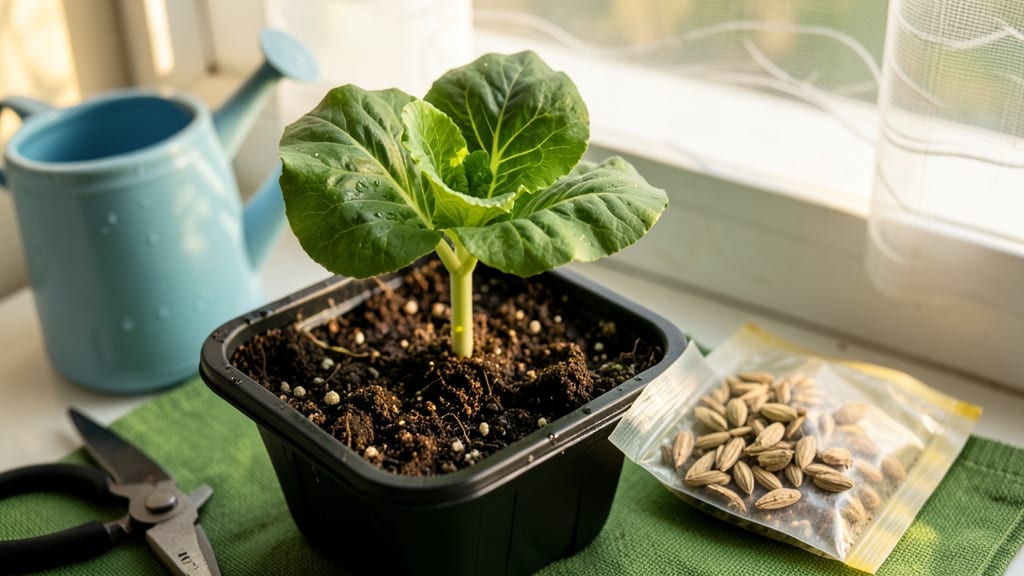
You can plant expired seeds, but their success depends on storage conditions and seed type—most lose viability after 1–2 years, though hardy varieties like beans or peas may survive 3–5 years in cool, dry environments. Always test a few seeds first using the paper towel method.
Seed viability isn't just about the date printed on the packet—it's about how well they've been preserved. 🌱 Many seeds, like tomatoes or lettuce, lose over 50% of their germination power after just a year, while others, such as onions or garlic, can remain dormant for years.
The key factors are moisture, temperature swings, and oxygen exposure during storage. I’ve seen old seed packets from garden centers that were stored in damp basements—those seeds were nearly useless, while the same seeds kept in airtight containers in a refrigerator thrived.
Before committing to an entire batch, a quick paper towel test can save you time and disappointment. Soak a paper towel, place a few seeds between two, and wait 3–7 days in a warm spot.
If most seeds sprout, they’re worth planting; if fewer than half sprout, consider buying fresh seeds instead. This method works for almost any seed type, though some—like hard-coated seeds (e.g., peas or beans)—may need a slight scratch on the shell to speed up germination.
💡 In This Article
- Seed Viability Factors and How Storage Affects Germination
- Testing Expired Seeds: DIY Germination Viability Checks
Seed viability factors and how storage affects germination
The lifespan of seeds hinges on four critical factors: moisture content, temperature exposure, oxygen levels, and seed coat integrity. Seeds naturally contain 5-15% moisture when properly dried, but even slight increases to 10-12% trigger metabolic activity that depletes stored nutrients.
At 37°F (3°C) or below, biochemical reactions slow dramatically—this is why refrigerators extend seed life to 5-10 years for hardy varieties like beans or peas, compared to just 1-2 years at room temperature.
Oxygen exposure accelerates deterioration through a process called lipid peroxidation, where cell membranes break down. Seeds stored in airtight containers with 1-2% oxygen levels (using oxygen absorbers) can last 2-3 times longer than those in open packets.
Light exposure further damages seeds by generating reactive oxygen species—this is why opaque containers are ideal. For example, marigold seeds lose 70% viability after 6 months in direct sunlight, while carrot seeds (which contain natural antioxidants) retain 80% viability for 3 years under proper conditions.
Seed coat integrity acts as a protective barrier against physical damage and microbial invasion. Thin-coated seeds like lettuce or basil deteriorate faster because their coats offer less protection, while thick-coated tomato or pepper seeds can survive 4-6 years if stored correctly.
The hardness test works here—press a seed between your fingers; if it crushes easily, the coat is compromised and viability is likely reduced by 30-50%. 🌱
Temperature fluctuations are equally damaging. Seeds exposed to 86°F (30°C) or higher for prolonged periods experience denaturation of enzymes critical for germination, while freezing (32°F/0°C) can cause ice crystal formation that ruptures cells.
This explains why seeds stored in attics or garages often fail—even if the average temperature seems moderate, daily swings between 68°F (20°C) and 95°F (35°C) accelerate aging by 2-3 times.
Herb seeds present unique challenges due to their tiny size and high oil content. Cilantro seeds, for instance, contain 22% oil, making them prone to rancidity—viability drops 50% in just 6 months at room temperature.
Flower seeds like zinnia or sunflower fare better (lasting 3-4 years) because their coats contain wax layers that repel moisture.
Vegetable seeds vary widely: onion and leek seeds can remain viable for 5-7 years due to their natural dormancy mechanisms, while spinach seeds typically lose viability after 18 months.
What most gardeners overlook is the seed's internal clock—some varieties (like beets) produce chemical inhibitors that prevent premature germination, extending shelf life. Others, such as peppers, contain high levels of ascorbic acid, a natural preservative that helps maintain viability.
Testing a small sample before planting entire batches isn't just practical—it's scientifically sound, as even properly stored seeds can degrade 10-15% per year due to these internal factors. ✨