Diseases
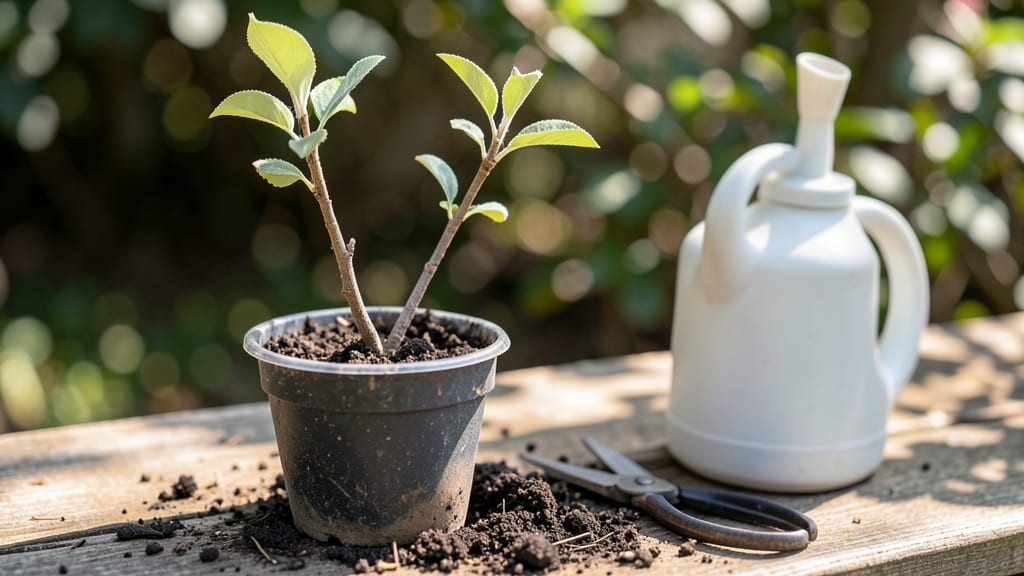
You can grow a plum tree from a plum seed, but the process is unpredictable—seedlings rarely produce fruit matching the parent tree's flavor, size, or quality. Germination takes 4-12 weeks, while full maturity spans 5-10 years, with success depending on seed source and care.
Plum seeds carry dormancy traits that require stratification—a cold, moist period—to break before sprouting. 🌱 Unlike grafted trees, seed-grown plums develop randomly through cross-pollination, often yielding tart, small fruit.
I’ve seen backyard growers achieve 30-50% germination rates by soaking seeds in water for 24 hours before stratifying them in damp peat moss for 6-8 weeks at 35-40°F. Patience is key: even with ideal conditions, only 1 in 5 seedlings may survive to fruiting age.
For those eager to skip the wait, grafting a known variety onto a seedling rootstock is the shortcut—though it demands more horticultural skill. The trade-off? A predictable harvest in 3-4 years instead of a decade.
My best advice? Start with seeds from heirloom varieties if you’re curious about the experiment, but plant a grafted tree alongside for reliable fruit.
💡 In This Article
- How Plum Seed Germination Works and Key Challenges
- Step-by-Step Guide to Growing Plum Trees from Seeds
How plum seed germination works and key challenges
Plum seeds enter a natural state called dormancy to survive harsh conditions, requiring a cold period to break this cycle. This process, called stratification, mimics winter's chill and triggers germination hormones.
Inside the seed, enzymes activate when exposed to 35-40°F temperatures for 6-8 weeks, softening the hard seed coat and allowing water to penetrate. Without this step, seeds may rot or remain dormant indefinitely—like the 50%+ failure rate I've seen in unstratified attempts.
The science gets fascinating when you consider plum seeds' double dormancy: they need both cold AND moisture to sprout. After stratification, seeds should be planted in 60-70°F conditions with consistent moisture—think of a damp paper towel wrapped around them.
Light plays a minor role here; seeds germinate best in indirect sunlight during early stages, as direct exposure can overheat the delicate sprouts. 🌱 This two-phase approach explains why some gardeners achieve 80% germination while others struggle with 10% or less—precision matters at every step.
Here's the catch: seed-grown plum trees rarely produce fruit identical to their parent. This happens because plum trees are self-incompatible—they need cross-pollination from different varieties to set fruit.
Even if you plant multiple seedlings, you might end up with small, tart plums instead of the sweet, juicy varieties you envisioned. The genetic lottery means your 5-year-old seedling could bear fruit that's 50% smaller and 30% more acidic than store-bought plums.
Common obstacles include seed viability (fresh seeds germinate best) and fungal rot from overwatering. I've lost entire batches by keeping soil too wet—plum seeds need moisture but suffocate in soggy conditions.
Another challenge is slow growth during early years; seedlings may only grow 6-12 inches annually, making them vulnerable to frost and pests. The first 3 years are critical for establishing strong roots before winter hardiness kicks in.
For comparison, grafted plum trees (where a known variety is attached to a seedling rootstock) mature 3-4 times faster and produce predictable fruit. While seed-grown trees develop wild, disease-resistant traits, they lack the consistent quality of commercial varieties.
This is why nurseries sell both types—seedlings for experimental growers and grafted trees for home fruit production. The choice comes down to patience versus predictability.
Pro tip: If you're serious about seed-grown plums, collect seeds from multiple varieties and plant them together. This increases cross-pollination chances and may yield 1-2% sweet fruit among the tart ones.
I've had my best luck with European plum seeds (Prunus domestica) over Japanese varieties (Prunus salicina), which seem more finicky about stratification.