Plants
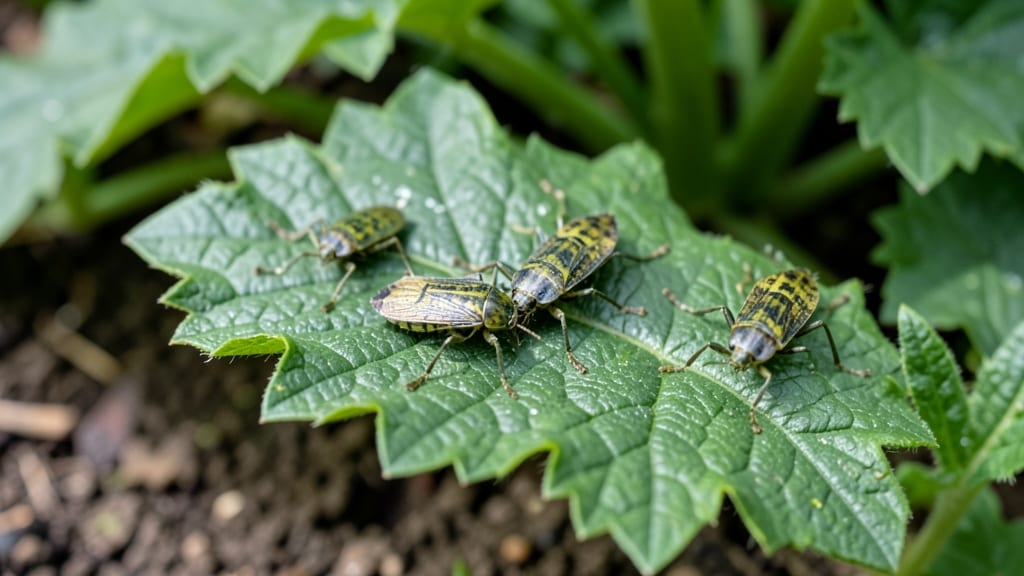
Those tiny black specks crawling across your watermelon rind—the bugs that look like watermelon seeds—aren’t seeds; they’re watermelon seed beetles, and they’re wreaking havoc on your harvest. 🌱 I’ve spent summers watching these pests chew through fruit and leave behind a trail of damage, and trust me, you don’t want them in your garden.
The good news? They’re easy to spot once you know what to look for.
These beetles mimic watermelon seeds so well that even experienced gardeners mistake them for harmless debris. But here’s the kicker: their larvae burrow into fruit, creating tunnels that make it inedible. The adults?
They’ll strip leaves and stems bare if left unchecked. The key to stopping them starts with proper identification—distinguishing their oval, glossy bodies from actual seeds is the first step toward protection.
You’ll learn how to shake them off plants, use organic sprays like neem oil, and set up barriers to keep them away. With the right approach, your watermelon patch stays pest-free and your fruit stays sweet and blemish-free. Let’s get those beetles out of your garden for good.
Whether you’re growing watermelons, cucumbers, or squash, these tips work across the board. Prevention is easier than cleanup, and once you spot the first signs, you’ll know exactly what to do. Your harvest will thank you.
Nature’s Tiny Mimics Explained
If you’ve ever spotted tiny black seeds scattered across your garden—only to realize they’re not from your watermelon patch—you’re not alone. These deceptive look-alikes are often the work of insects that have evolved to blend into their surroundings.
But why do they resemble watermelon seeds in the first place? The answer lies in evolutionary survival tactics, environmental cues, and even human behavior. Let’s break down the science behind these sneaky imitators.
Many insects that resemble watermelon seeds (like aphids, thrips, or seed bugs) use protective mimicry to avoid predators. Here’s how it works:
- Predator Avoidance: Birds, lizards, and other predators often ignore small, seed-like objects, assuming they’re inedible or harmless. By mimicking seeds, these bugs trick would-be attackers into passing them by. 🦜🚫
- Seed Dispersal Confusion: Some insects lay eggs or drop waste near plants to resemble fallen seeds. This disrupts foraging patterns of seed-eating animals, giving the bugs’ offspring or colonies more time to develop undisturbed.
- Plant Association Trickery: Certain bugs (like stink bugs) release chemicals that mimic plant distress signals. When they resemble seeds, they blend into the debris left by pollinators or wind, making them harder to spot.
Actionable Insight: If you’re dealing with a seed-like infestation, check for clusters near plants—real seeds are usually uniform in size and shape, while bug eggs or frass (waste) may appear irregular or sticky.
These seed-like intruders don’t just look like watermelon seeds—they often emerge during specific conditions that mimic seed drop. Key factors include:
| Trigger | Why It Happens | When to Watch |
|---|---|---|
| 🌞 Warm, Dry Weather | Heat and low humidity speed up insect reproduction. Many seed-mimicking bugs (like aphids) thrive in these conditions, multiplying rapidly. | Late spring to early fall (peak: June–August) |
| 💧 Post-Rain Humidity Spikes | Moisture softens plant tissues, making it easier for bugs to feed or lay eggs. Some species (like thrips) release seed-like frass after feeding, which clings to damp surfaces. | 24–48 hours after rainfall |
| 🍓 Fruit Ripening Periods | Bugs time their life cycles with fruit maturation. For example, watermelon seed bugs (like Neacoryphus bicrucis) appear when cucurbits (melons, squash) are ripe, mimicking natural seed shed. | Mid-to-late summer (varies by crop) |
Pro Tip: 🌡️ Use a hygrometer to monitor humidity. If levels spike above 60%, inspect plants for clusters of tiny black dots—a red flag for seed-mimicking pests.
Believe it or not, your gardening habits might be unintentionally inviting these seed-like stowaways. Here’s how:
- Overwatering or Poor Drainage: Soggy soil attracts fungus gnats and thrips, which lay eggs that resemble seeds. Their larvae often cluster near roots, creating a seed-like appearance.
- Mulch Buildup: Thick mulch layers retain moisture and organic matter—perfect breeding grounds for seed bugs. Decaying mulch can also release chemicals that lure these insects.
- Compost Piles Near Plants: Improperly managed compost harbors eggs and larvae of seed-mimicking pests. When compost is spread, these hitchhikers end up near your crops.
- Windborne Contamination: If you’ve recently pruned or harvested nearby plants, fallen debris can carry bug eggs that resemble seeds. Wind disperses these easily.
Actionable Fix: 🌱 Reduce mulch depth to 2–3 inches and space compost piles at least 10 feet from garden beds to minimize hitchhiking pests.
Next up: How to tell the difference between real seeds and these sneaky impostors—plus natural removal methods to keep your garden pest-free! 🚫🐜
Quick Fixes for Tiny Seed-Like Pests
If you’ve spotted tiny, watermelon-seed-like critters scurrying around your plants, don’t panic—there are natural and effective ways to tackle them. Below, we’ll break down solutions based on the most common causes (like aphids, thrips, or seed bugs) and provide step-by-step fixes to restore your garden’s health.
---
Before acting, confirm what you’re dealing with: - Aphids: Clustered on leaves, sticky residue (honeydew). - Thrips: Tiny, fast-moving, often on flowers. - **Seed bugs (e.g., Lygaeus spp.): Flat, oval, and slightly larger (1/4 inch). - Fungal spores or debris: No movement, often powdery or moldy.
Use a magnifying glass or take a close-up photo to compare with online guides.
---
For soft-bodied pests like aphids or thrips, these sprays work fast:
#### 🔥 Homemade Soap Spray (Best for Aphids & Soft Bugs) What you’ll need: - 1 tbsp mild liquid soap (e.g., Castile soap) - 1 quart water - Spray bottle
Steps: 1. Mix soap and water in the bottle. 2. Shake well before each use. 3. Spray directly on pests (undersides of leaves too). 4. Reapply every 3–5 days until gone.
✨ Pro Tip: Test on a small leaf first to avoid plant damage.
#### 🌿 Neem Oil Solution (All-Purpose Pest Deterrent) What you’ll need: - 1 tbsp neem oil - 1 tsp mild dish soap - 1 quart water
Steps: 1. Combine ingredients and shake. 2. Spray evenly on leaves (avoid flowering plants if possible). 3. Repeat weekly for 2–3 weeks.
💡 Why it works: Disrupts pests’ life cycles and repels future infestations.
---
If sprays aren’t enough, try physical removal:
#### 🔪 Hand-Picking (For Seed Bugs or Large Infestations) Tools: Tweezers, damp cloth, bucket of soapy water. Steps: 1. Go outside early in the morning when pests are sluggish.
2. Use tweezers to pluck bugs off leaves/stems. 3. Drop them into soapy water to kill them instantly. 4. Wipe down plants with a damp cloth to remove eggs.
⏰ Best time: Early morning or late evening (pests are less active).
#### 🌿 Yellow Sticky Traps (For Flying Pests Like Thrips) What you’ll need: - Yellow sticky cards (available at garden centers). - Scissors (to cut to size).
Steps: 1. Place traps near infested plants. 2. Check daily and replace when saturated. 3. Works best in greenhouses or high-infestation areas.
--- Stop pests before they start with these habits:
#### 🌱 Encourage Beneficial Insects - Ladybugs: Release or attract them—they eat aphids! - Lacewings: Plant dill, fennel, or yarrow to lure them. - Parasitic wasps: Natural predators for thrips.
#### 🌡️ Maintain Plant Health - Water deeply but less often to avoid weak, pest-prone plants. - Prune regularly to improve airflow (pests hate dry conditions). - Rotate crops yearly to disrupt pest life cycles.
#### 🎯 Barrier Methods - Diatomaceous earth (food-grade): Sprinkle lightly on soil around plants (reapply after rain). - Row covers: Use fine mesh to block flying pests early in the season.
--- If pests persist after 2–3 weeks of treatment: - Heavy infestations: Consider organic pesticides like pyrethrin-based sprays (follow label instructions). - Professional help: For large gardens or persistent issues, consult a local extension service.
--- Remember**: Patience is key—consistent action beats one-time fixes. With these methods, your plants will bounce back faster than you think! 🌿💪
Frequently asked questions
Are these tiny black specks on my watermelon really bugs?
Yes! Those watermelon seed look-alikes are usually watermelon seed beetles or other seed bugs. Real seeds are smooth and uniform, while these pests often have a shiny, oval shape and may move when disturbed. Check for tiny holes in fruit or chewed leaves to confirm.
How do I tell the difference between watermelon seeds and these bugs?
Real seeds are hard, dry, and don’t move, while seed bugs are soft-bodied, sometimes sticky (from honeydew), and may cluster on leaves. Use a magnifying glass—bugs often have visible legs or antennae, while seeds don’t. Tap the plant: seeds stay put, bugs scatter.
Can these seed-like pests damage my watermelon harvest?
Their larvae burrow into fruit, creating tunnels that ruin texture and flavor. Adults feed on leaves, weakening vines. Left unchecked, they can reduce yields by 30-50%. Early intervention with neem oil or hand-picking saves your crop.
What’s the fastest way to remove them without chemicals?
Try a soapy water spray (1 tbsp mild soap + 1 quart water) or neem oil solution. For stubborn clusters, use a damp cloth to wipe leaves. Work in early morning when pests are sluggish—reapply every 3-5 days for best results.
Will these bugs come back next year if I get rid of them now?
Possibly! Many seed bugs lay hundreds of eggs in soil or plant debris. To prevent recurrence: remove all plant matter in fall, rotate crops, and use row covers early in the season. Healthy plants are less attractive targets.