
Trees
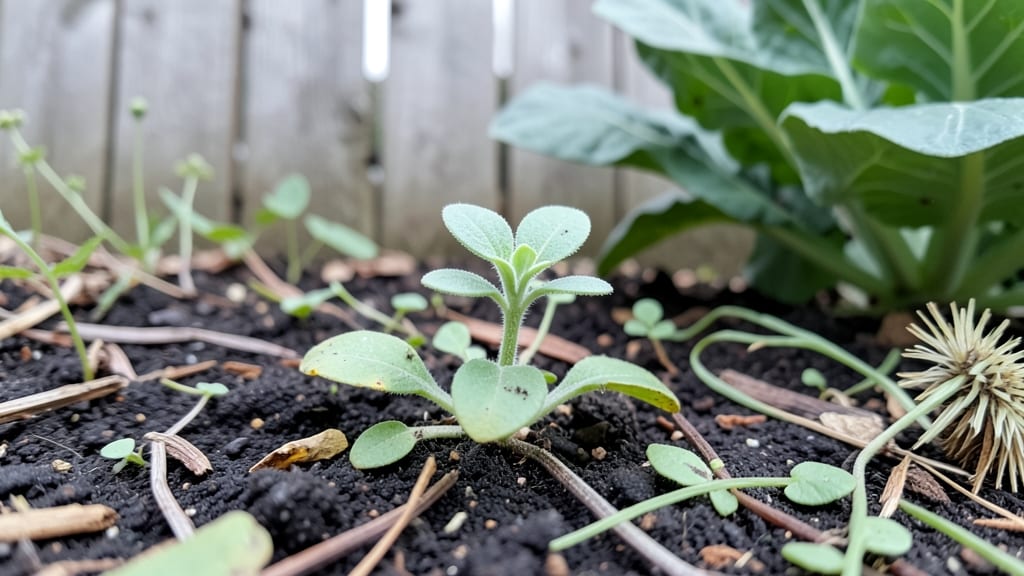
The identification of an alyssum seedling begins with those tiny, rounded leaves that look like miniature spoons—almost like a fuzzy caterpillar’s back. 🌱 I’ve spent years sorting through seed trays, and the key is noticing how the leaves cluster tightly along the stem.
The stems themselves are delicate but hold their shape, a dead giveaway when you compare them to the leggy, sparse growth of other seedlings.
New seedlings have leaves just 1/8-inch wide, with a soft, silvery-green hue that deepens as they mature. The real trick is checking the spacing: alyssum leaves grow in overlapping pairs, never spaced far apart like mustard greens or brassicas.
If you’re still unsure, pinch a leaf—healthy alyssum feels slightly waxy, not slimy or brittle.
Once you spot these clues, you’ll see why alyssum seedlings are so reliable—they stay compact, resist damping-off better than most, and turn into those fragrant, snow-white blooms by early summer.
The first few weeks are critical, though, so I’ll show you how to tell the difference between alyssum and its sneaky lookalikes.
This works for both sweet alyssum (Alyssum maritimum) and the taller alpine varieties—just watch for stem thickness. Thick stems mean it’s not alyssum, but a different brassica. Let’s get those seedlings sorted before they outgrow their trays!
Root Causes Of Misidentification
Mistaking alyssum seedlings for other plants—or even failing to recognize them at all—can happen for a few key reasons. Understanding these causes helps gardeners and plant enthusiasts spot the subtle (or not-so-subtle) differences early. Let’s break down the science behind why confusion arises.
Young alyssum seedlings often resemble other low-growing, leafy plants, especially in their earliest stages. Here’s why:
- Leaf shape shifts: Alyssum seedlings start with rounded or slightly lobed leaves, which can mimic Arabis or Arabidopsis seedlings. As they mature, the leaves become more elongated and slightly toothed, but this transformation takes time.
- Slow development: Alyssum grows gradually, especially in cooler conditions. If you’re expecting rapid growth (like with mustard greens or radish seedlings), the delay can lead to overlook or mislabeling.
- Seedling density: When sown thickly, seedlings may crowd each other, causing stunted growth and further obscuring their true form. This can make them appear more like Brassica species (e.g., cabbage or broccoli) than alyssum.
Actionable tip: Wait 2–3 weeks before identifying seedlings. Thin them out to reduce crowding, and compare their growth to mature alyssum photos under similar conditions.
Alyssum’s stem and leaf colors can shift dramatically based on sunlight, soil nutrients, and even the angle of observation. Here’s how lighting tricks your eye:
- Blue-green vs. gray-green: Alyssum stems often appear grayish-green due to fine hairs (trichomes), but in low light, this can fade to a duller green—similar to Thlaspi (pennycress) or Cardamine seedlings.
- Sunburn or stress: Overhead sunlight can bleach or redden alyssum leaves, making them look like stressed Arabis or even Lobularia (sweet alyssum, a close cousin).
- Soil reflection: Dark or wet soil can cast shadows that alter perceived color. A seedling growing in rich, dark compost might look darker than one in sandy soil.
Actionable tip: Examine seedlings in natural daylight (avoid shade or artificial light). Use a white background or tray to neutralize soil color interference.
Alyssum belongs to the Brassicaceae family, which includes many plants with overlapping traits. These look-alikes exploit the same growing conditions, leading to mix-ups:
| Plant | Key Confusion Point | How to Tell Apart |
|---|---|---|
| Arabis (Rock Cress) | Rosette growth, similar leaf shape in youth | Arabis has hairless stems and four-petaled flowers (alyssum has tiny, clustered white flowers). |
| Cardamine | Lobed leaves, fast early growth | Cardamine leaves are deeply lobed and smell like cress when crushed; alyssum has a sweet, faint honey scent. |
| Lobularia (Sweet Alyssum) | Near-identical flowers and growth habit | True alyssum (Aurinia or Berteroa) has toothed leaves; sweet alyssum (Lobularia maritima) has smooth, oval leaves. |
Actionable tip: Press a leaf between your fingers—alyssum releases a mild, sweet aroma, while many imposters have a bitter or pungent smell.
Poor growing conditions can warp alyssum seedlings into shapes that bear little resemblance to their "ideal" form. Common stressors include:
- Overwatering: Causes leaves to yellow and droop, mimicking disease or fungal infection. Roots may rot, stunting growth and altering leaf structure.
- Nutrient deficiencies: Lack of nitrogen turns leaves pale green; phosphorus deficiency leads to dark, purplish stems—both can make seedlings look like struggling Brassica species.
- Temperature swings: Alyssum thrives in cool weather. Heat stress (above 80°F/27°C) can cause leaves to curl or develop a waxy coating, obscuring identification traits.
Actionable tip: Monitor soil moisture with your finger (top inch should be dry). Use a balanced fertilizer (10-10-10) if seedlings appear stunted or discolored.
By recognizing these common pitfalls, you’ll sharpen your ability to spot alyssum seedlings—and avoid the frustration of mislabeling your garden! 🌿
Quick Fixes for Seedling Confusion
Identifying young alyssum seedlings can feel like solving a puzzle—especially when their delicate features blend into the garden backdrop. But don’t worry! With the right approach, you can turn uncertainty into confidence.
Below, we’ve mapped common challenges to practical solutions, so you can tackle misidentification head-on. Plus, we’ll share pro tips to keep your seedlings thriving (and correctly labeled) long-term.
Problem: Alyssum seedlings can resemble mustard greens, shepherd’s purse, or even tiny cabbage plants at first glance.
How to Fix It:
- 🔥 Compare Leaf Shapes: Alyssum leaves are oval with slightly rounded edges and a hairy texture. Use a magnifying glass to check for tiny hairs—this is a dead giveaway!
- 🍳 Check the Stem Color: Healthy alyssum stems are light green to reddish-purple near the base. If stems are solid green or woody, it’s likely another plant.
- 👨🍳 Pull a Seedling (Gently!): If you’re unsure, uproot one specimen and examine the root structure. Alyssum roots are thin and fibrous, not thick or taprooted like brassicas.
Prevention Tip: 💡 Plant alyssum in isolated beds or use biodegradable markers (like toothpicks with labels) to avoid mix-ups with neighboring seedlings.
Problem: Your alyssum seedlings are slow-growing, yellowing, or wilting—signs of stress or disease.
How to Fix It:
- 🌡️ Rule Out Overwatering: Alyssum prefers well-draining soil. If pots or beds stay soggy, repot seedlings in a sandy loam mix and reduce watering.
- 🎯 Test for Pests: Inspect undersides of leaves for aphids or spider mites. Treat with a neem oil spray (1 tsp neem oil + 1 quart water) or introduce ladybugs as natural predators.
- ✨ Boost Nutrients: Yellowing leaves may signal nitrogen deficiency. Feed seedlings with a balanced 10-10-10 fertilizer diluted to half-strength.
Prevention Tip: 🔥 Water at the base (not overhead) to prevent fungal diseases like powdery mildew, which can mimic nutrient deficiencies.
Problem: Seedling colors vary—some are pale, others deep purple—making identification tricky.
How to Fix It:
- 📊 Use a Reference Chart: Compare your seedlings to a color-coded alyssum variety guide (e.g., ‘Snowdrift’ is pure white, ‘Violet Queen’ has lavender blooms). Take photos for future reference!
- ⏰ Wait for Flowers: If possible, let seedlings mature slightly (3–4 weeks). Alyssum’s tiny, clustered flowers are unmistakable—white, pink, or purple, depending on the variety.
- 🔪 Prune and Observe: Snip off a few leaves to check the stem’s internal color. Alyssum stems often have a marbled purple-red hue when cut open.
Prevention Tip: 🌡️ Grow seedlings in trays with divided cells to keep varieties separate until transplanting.
Problem: Alyssum seedlings collapse or fail to thrive after moving to the garden.
How to Fix It:
- 🥘 Harden Off Gradually: Acclimate seedlings to outdoor conditions over 7–10 days by placing them in partial shade for increasing durations each day.
- 🌱 Use Transplant Aid: Mix compost or worm castings into the soil to improve drainage and reduce shock. Avoid fertilizing immediately after transplanting.
- 🌡️ Monitor Temperature: Alyssum prefers cool to moderate climates (USDA zones 7–10). If nights are too hot, provide light shade cloth until roots establish.
Prevention Tip: ✨ Transplant on a cloudy day to minimize stress from direct sunlight and wind.
With these targeted fixes, you’ll go from guessing to expertly identifying alyssum seedlings in no time. And remember: the more you observe, the easier it gets! Happy gardening. 🌱
Frequently asked questions about alyssum seedlings
How do I tell alyssum seedlings apart from mustard greens?
Alyssum seedlings have hairy stems and rounded, fuzzy leaves that grow in tight clusters. Mustard greens have smooth, elongated leaves and a more upright growth habit. Crush a leaf—alyssum releases a faint sweet scent, while mustard greens smell peppery.
What do healthy alyssum seedlings look like at 2 weeks?
At 2 weeks, they should be 1-2 inches tall with 4-6 small, spoon-shaped leaves in overlapping pairs. The stems are light green to reddish-purple near the base, and the leaves have a silvery-green hue. If they’re leggy or pale, they need more light.
Why are my alyssum seedlings turning yellow?
Yellowing could mean overwatering (check soil moisture—top inch should be dry) or nitrogen deficiency. Use a balanced 10-10-10 fertilizer at half-strength, or repot in well-draining soil. Avoid overhead watering to prevent fungal issues.
Can I transplant alyssum seedlings too early?
Yes! Alyssum seedlings are delicate and need 7-10 days of hardening off before transplanting. Start by placing them in partial shade for a few hours daily, then gradually increase exposure. Transplant on a cloudy day to reduce stress from sunlight.
What’s the difference between alyssum and sweet alyssum seedlings?
True alyssum (Aurinia) has toothed leaves with fine hairs, while sweet alyssum (Lobularia maritima) has smooth, oval leaves. Check the stems—alyssum stems are hairy and reddish, while sweet alyssum stems are smooth and green.