
Lawn
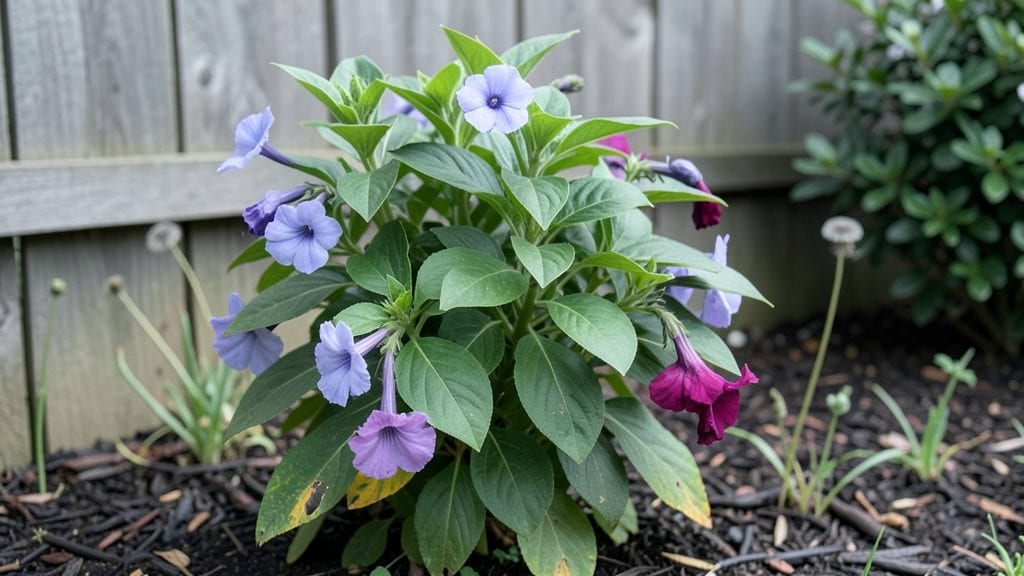
Growing American Seed Impatiens from seed is like unlocking a secret garden of velvety blooms that thrive where others fail. ✨ I planted my first batch last spring, and within weeks, my shady patio exploded with jewel-toned flowers that lasted until frost.
The key isn't complicated—it's about matching their love for moisture and cooler temperatures to the right spot in your yard.
You'll need a few simple supplies: organic potting mix, small seed-starting trays, and a spray bottle for gentle watering. These impatiens germinate best in 65-75°F soil, so a seedling heat mat helps if your spring is chilly.
Once sprouted, they crave bright, indirect light—think dappled shade under trees or a north-facing window. Overcrowding is their enemy, so thin seedlings to 6 inches apart when transplanting.
By midsummer, you'll have a foot-tall cascade of blooms in pinks, reds, and whites that hummingbirds adore. The secret to long-lasting flowers? Consistent moisture—never let the soil dry out, but avoid soggy roots.
A 2-inch layer of mulch keeps moisture in and weeds out, giving you more time to enjoy those velvety petals.
These shade-lovers handle humidity like champions, making them perfect for humid climates or container gardens. Just watch for slugs (they love the tender new growth) and avoid fertilizing heavily—too much nitrogen means fewer flowers. With the right care, your impatiens will outshine every other plant in the shady spots.
📚 In This Guide
- What you need
- Instructions
- Tips and common mistakes
- Wrapping up and next steps
What you need
- ● American Seed Impatiens seeds – Choose a shade-tolerant variety (e.g., Impatiens walleriana or Impatiens New Guinea hybrids). Quantity: 1–2 seed packets (for ~100–200 seeds) per 10 sq. ft. of garden space.
- ● Seed-starting mix – A lightweight, sterile peat-based or coconut coir blend (avoid garden soil—it’s too dense!). Quantity: 1–2 cubic feet.
- ● Biodegradable seed-starting pots or peat pellets – Size: 2–3 inches deep (holds moisture well and promotes root growth). Quantity: 1 pot per seed (or reuse containers like egg cartons!).
- ● Grow lights or sunny windowsill – Specs: Full-spectrum LED grow lights (12–16 hrs/day) or a south-facing window (60°F+).
- ● Misting spray bottle – Keeps seeds moist without drowning them. Pro tip: Use room-temperature water to avoid shocking seeds! 💡
- ○ Plastic wrap or humidity dome – Creates a mini greenhouse to retain warmth. Optional: Use a clear plastic bag with holes punched in it.
- ● Fertilizer (balanced, water-soluble) – Ratio: 10-10-10 or 20-20-20. Dilution: Half-strength when seedlings emerge.
- ● Garden gloves – Protects hands from soil and sharp edges when transplanting.
- ○ Shade cloth (30–50%) – Optional: For hardening off seedlings before outdoor planting.
- ● A shady spot in your garden (partial to full shade, 2–6 hrs of light/day). Soil type: Well-draining, rich in organic matter (amend with compost if needed!).
- ● Patience! – Impatiens germinate in 7–21 days (keep soil consistently moist during this time).
- ● Consistent watering schedule – Impatiens love even moisture but hate soggy roots.
Step-by-Step instructions for cultivating american seed Impatiens
Here’s how to transform your shady spots into vibrant displays with these shade-loving annuals.
🌱 Step 1: Prepare the Planting Site
Choose a location with partial to full shade—these impatiens thrive where others struggle, but they’ll tolerate 2-3 hours of morning sun if afternoon shade is available. Amend the soil with 2-3 inches of compost to loosen heavy clay or improve sandy soil. Work it into the top 6 inches of soil to encourage root spread and nutrient uptake.
I always test the soil pH first—impatiens prefer 6.0-6.5. If your soil runs acidic, sprinkle dolomitic lime lightly and mix it in. Avoid fresh manure; it can burn tender roots. The goal is rich, well-draining soil that holds moisture without becoming waterlogged.
💧 Step 2: Sow Seeds Indoors 8-10 Weeks Before Last Frost
Fill biodegradable seedling pots with sterile seed-starting mix and sow seeds ¼ inch deep. I use a fine-mist spray bottle to keep the mix moist but not soggy—overwatering at this stage causes damping-off. Place the pots in a humidity dome or cover them with plastic wrap to retain warmth and moisture.
Keep the soil at 70-75°F using a seedling heat mat if needed. Germination takes 10-14 days in ideal conditions, but be patient—some seeds may take longer. Once sprouts appear, remove the cover immediately to prevent fungal growth. Thin seedlings to one per pot when they develop their first true leaves—this prevents overcrowding and weak stems.
☀️ Step 3: Harden Off and Transplant Seedlings
Two weeks before transplanting outdoors, start hardening off seedlings by placing them in a shaded, sheltered spot for 1-2 hours the first day. Gradually increase exposure over 7-10 days, ending with full shade conditions. This toughens stems and reduces transplant shock.
Transplant seedlings when they’re 3-4 inches tall and night temperatures stay above 50°F. Space them 8-12 inches apart in rows 12-18 inches apart for optimal air circulation. Water deeply at planting to settle the soil and eliminate air pockets around roots. Mulch with 2 inches of organic mulch to retain moisture and suppress weeds.
🌿 Step 4: Maintain Moisture and Fertility for Continuous Blooms
Impatiens demand consistent moisture—never let the soil dry out completely. Water deeply 2-3 times weekly, adjusting for rainfall. I check soil moisture by sticking my finger 1 inch deep; if it feels dry, it’s time to water. Avoid wetting the foliage to prevent fungal diseases like powdery mildew.
Feed plants every 2-3 weeks with a balanced liquid fertilizer (10-10-10 or 20-20-20) diluted to half strength. Deadhead spent blooms regularly to encourage prolonged flowering—I snip stems just above the next set of leaves with clean pruners. This redirects energy to new growth instead of seed production.
✂️ Step 5: Prune and Extend the Season
Pinch back leggy stems in early summer to promote bushier growth. Cut back one-third of the plant height if growth becomes too sparse. This rejuvenates the plant and triggers a second flush of blooms. I also remove any yellowing or diseased leaves immediately to maintain plant health.
To extend the season, cover plants with frost cloth when night temperatures drop below 40°F. Most impatiens won’t survive freezing, but a little protection can buy you extra weeks of color. Harvest seeds from mature plants in late summer by allowing a few blooms to fully develop and dry on the stem before collecting.
Tips & tricks for perfect american seed Impatiens cultivation
A few essential strategies will help you coax vibrant blooms from these shade-loving stars.
Soil Preparation Secret: In Step 1, when amending your soil with compost, consider adding a handful of perlite or vermiculite to the top 6 inches if your native soil is particularly dense. This improves drainage while retaining moisture—critical for impatiens that hate soggy roots. I've found that even a 10% mix makes a noticeable difference in root health, especially in heavy clay soils.
Germination Game-Changer: During Step 2, if you're struggling with germination, try soaking your seeds in warm water for 12 hours before planting. This softens the seed coat and can speed up the 10-14 day process. Place the soaked seeds directly on the sterile seed-starting mix (no need to bury them) and cover with just a thin layer of mix—this mimics their natural forest floor habitat where they often germinate in leaf litter.
Hardening Off Hack: For Step 3's hardening off process, I've found that placing seedlings in a cold frame during the day and bringing them indoors at night works wonders if your evenings dip below 50°F. This gradual transition prevents the shock that often causes stunted growth. Also, avoid hardening off on windy days—the delicate stems can't handle even gentle breezes at this stage.
Fertilizer Timing: When feeding in Step 4, I recommend starting with a weaker solution (quarter-strength) the first time you fertilize. Impatiens are sensitive to salt buildup from fertilizers, and this gives their roots time to adjust. After the first feeding, you can gradually increase to half-strength over subsequent feedings every 2-3 weeks.
Pro Tips for American Seed Impatiens
- A few essential strategies will help you coax vibrant blooms from these shade-loving stars.
- Soil Preparation Secret: In Step 1, when amending your soil with compost, consider adding a handful of perlite or vermiculite to the top 6 inches if your native soil is particularly dense.
- Germination Game-Changer: During Step 2, if you're struggling with germination, try soaking your seeds in warm water for 12 hours before planting.
Frequently asked questions
When is the best time to plant American Seed Impatiens?
Plant them after the last frost in spring when soil temps hit at least 55°F (13°C). For fall color, sow seeds 8–10 weeks before your first frost. They thrive in warm soil but hate cold snaps—so wait until nighttime temps stay above 50°F (10°C).
How much water do they need, and why are my leaves turning yellow?
Keep soil consistently moist but not soggy—they’re drought-sensitive! Yellow leaves often mean overwatering or poor drainage. If roots stay waterlogged, they rot. Use well-draining potting mix and water at the base (not overhead) to prevent fungal issues like downy mildew.
Can I grow American Seed Impatiens in full shade?
They’re shade-loving superstars and thrive in 2–6 hours of morning sun or full shade. Too much direct sun (especially afternoon rays) can scorch leaves. If your garden gets no shade at all, try New Guinea Impatiens instead—they tolerate brighter spots better.
What pests or diseases should I watch for, and how do I fix them?
- Aphids/Spider Mites: Spray with neem oil or blast off with water.
- Powdery Mildew: Improve airflow, water early in the day, and apply baking soda spray (1 tsp baking soda + 1 quart water + a drop of soap).
- Root Rot: Move pots to drier spots and repot with fresh, sterilized soil.
Why aren’t my impatiens blooming, even though they look healthy?
Lack of blooms usually means too much shade, low light, or over-fertilizing with nitrogen (which fuels leaves, not flowers). Switch to a balanced, bloom-boosting fertilizer (like 10-10-10) and ensure they get at least 4–6 hours of indirect light. Deadhead spent blooms to encourage more!
Can I grow American Seed Impatiens from seed, or should I buy transplants?
Both work! Seeds are cheaper and fun but slower (germination takes 14–21 days in warm soil). Transplants give you instant color and are easier for beginners. If starting from seed, use seed-starting mix and keep trays in a warm, humid spot (like a propagator or sealed plastic bag).
Wrapping up and next steps
American Seed Impatiens are a game-changer for shade gardens, offering vibrant blooms with minimal fuss! Whether you’re a seasoned gardener or just starting, their easy-care nature and stunning colors make them a must-have.
With the right soil, sunlight, and watering routine, you’ll enjoy months of cheerful flowers—perfect for brightening up those tricky shady spots.
Ready to transform your garden? Grab your seeds or seedlings, follow the steps above, and watch your shade garden burst into life! 🌸 For extra inspiration, browse shade-friendly companion plants to pair with your impatiens and create a thriving, low-maintenance oasis.