
Vegetables
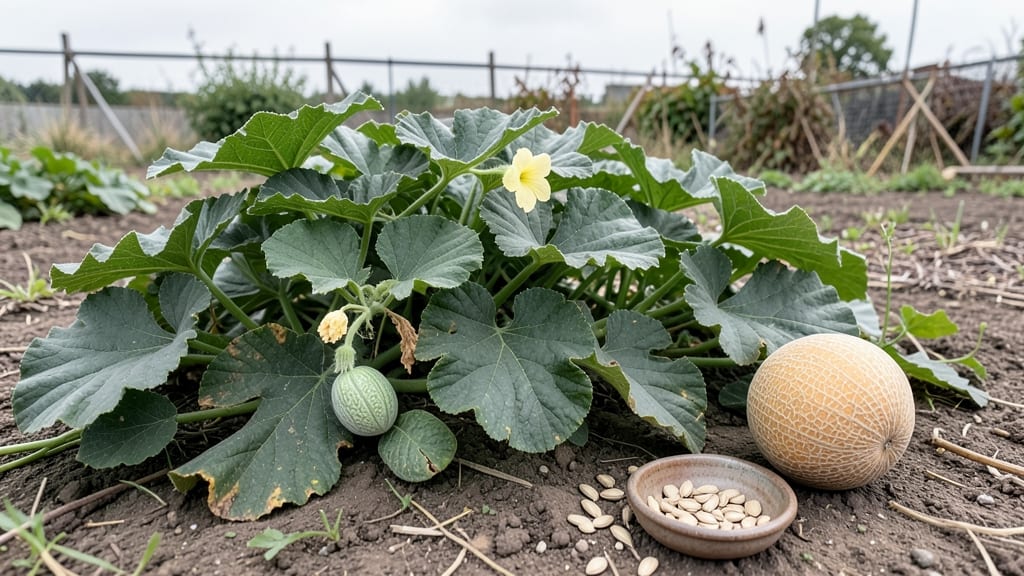
Yes, cantaloupe seeds are healthy to eat when raw and fresh, packed with protein, healthy fats, magnesium, and antioxidants like beta-carotene, though they should be consumed in moderation due to potential pesticide residue if not organic.
Cantaloupe seeds pack a surprising nutritional punch—just one ounce delivers about 3 grams of protein and 20% of your daily magnesium needs, which supports muscle function and energy levels. 💫 The seeds also contain healthy fats and vitamin E, which act as natural antioxidants to combat inflammation.
However, their small size means you'd need to eat a lot to get significant benefits, so moderation is key. Always opt for organic seeds when possible to avoid pesticide exposure, and consider lightly roasting them to enhance flavor and digestibility.
Fun fact: these seeds were traditionally used in folk medicine for their potential blood sugar-regulating properties, though more research is needed.
For a tasty way to enjoy them, try lightly toasting the seeds with a pinch of salt or cinnamon—they make a great crunchy snack or topping for salads and yogurt bowls.
💡 In This Article
- Nutritional Profile of Cantaloupe Seeds
- How to Safely Eat Cantaloupe Seeds
Nutritional profile of cantaloupe seeds
Cantaloupe seeds contain a concentrated dose of nutrients that far exceed what you'd find in the fruit's flesh.
Just one ounce (about 28 seeds) provides 3 grams of protein—that's roughly 6% of your daily value—and 1.5 grams of healthy fats, including omega-6 fatty acids that support brain function.
The protein content is nearly double that of the cantaloupe flesh itself, which contains only 0.8 grams per ounce. 🔥
The micronutrient profile is equally impressive: these tiny seeds deliver 20% of your daily magnesium needs per ounce, a mineral crucial for muscle relaxation and nerve function.
They also contain 15% of your daily zinc—essential for immune support—and 10% of vitamin E, a fat-soluble antioxidant that protects cells from oxidative damage. For comparison, the cantaloupe flesh provides only trace amounts of these nutrients in the same serving size.
What makes cantaloupe seeds particularly valuable is their beta-carotene content, which converts to vitamin A in the body. While the fruit's orange flesh is famous for this compound, the seeds contain polyphenolic antioxidants that work synergistically with beta-carotene.
These compounds have been shown in studies to reduce inflammation and may help regulate blood sugar levels—a benefit traditionally recognized in folk medicine but now supported by preliminary scientific research.
However, there are important considerations. Cantaloupe seeds contain cucurbitacins, compounds found in the cucurbit family that can act as allergens for some individuals, causing mild digestive upset or skin reactions. Symptoms typically appear within 30 minutes to 2 hours after consumption and include itching or bloating.
If you're sensitive to melons, squash, or pumpkin seeds, start with a tiny amount to test your tolerance.
The seeds also contain phytic acid, an antinutrient that can bind to minerals like iron and zinc, potentially reducing their absorption. Soaking or lightly roasting the seeds can help break down phytic acid by up to 50%, making the nutrients more bioavailable.
For example, roasting at 350°F for 10-12 minutes enhances digestibility while bringing out a nutty flavor that many find more appealing than the raw, bitter taste.
When comparing to other common seeds, cantaloupe seeds rank similarly to pumpkin seeds in protein content but contain more magnesium (65mg per ounce vs. 50mg in pumpkin seeds) and less fat (1.5g vs. 5g).
Their lower calorie count (50 calories per ounce) makes them a lighter option for nutrient-dense snacking compared to heavier seeds like sunflower or sesame.