
Lawn
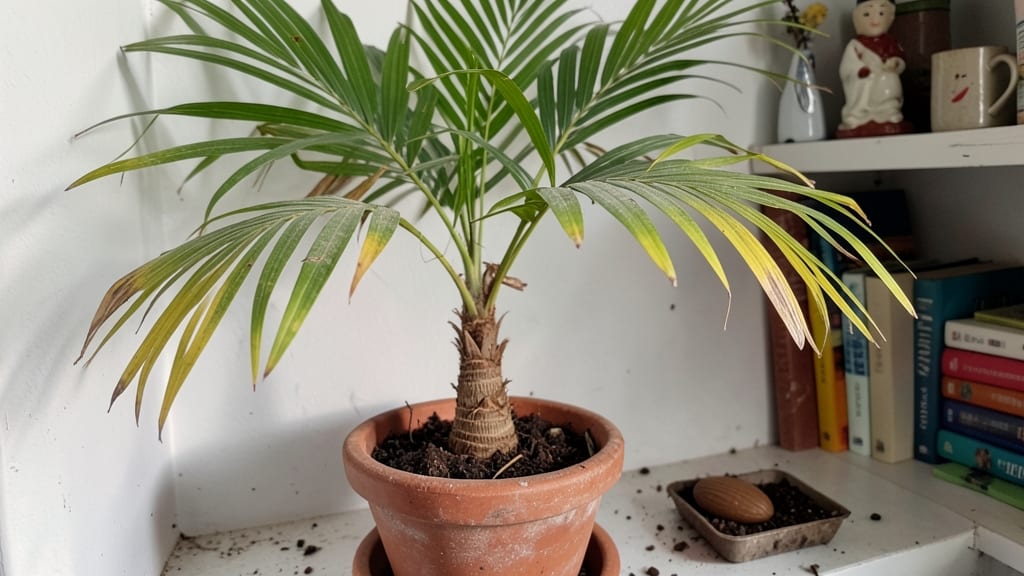
Growing an areca palm from seed is like planting a tiny time capsule that’ll burst into a 12-foot tropical giant in just three years. 🌿 The process starts with a single seed that, with patience and the right conditions, becomes the ultimate privacy screen—lush, feathery, and impossible to ignore.
I’ve grown dozens from seed, and the first time I saw those first fronds unfurl after months of waiting, I knew this was the project to try.
You’ll need three things to get started: a warm spot (75–85°F), a humid environment (think plastic wrap or a greenhouse), and a soaking method that softens the seed’s tough shell.
Most people rush this step, but soaking for 24–48 hours in lukewarm water is non-negotiable—it’s the difference between a seed that sprouts in weeks and one that sits dormant for months.
Seedlings are fussy about moisture too; let the top inch of soil dry before watering again, or you’ll drown those delicate roots before they even get a chance to grow.
By year three, you’ll have a screening wall of feathery fronds, dense enough to block wind and prying eyes while letting sunlight filter through. The real magic? This palm thrives in partial shade, making it perfect for patios, lanais, or even large indoor spaces near bright windows.
Unlike nursery plants, seed-grown areca palms develop stronger root systems and adapt better to your local climate—though they’ll still need winter protection in zones colder than 10.
Here’s the catch: seed-grown palms take longer to mature than nursery plants, and their first few years are slow. But once established, they outperform store-bought versions in resilience and size.
If you’re willing to wait, the payoff is a tropical oasis that feels like a vacation every time you walk past it. Let’s get those seeds sprouting!
📚 In This Guide
- What you need
- Instructions
- Tips and common mistakes
- Wrapping up and next steps
What you need
- ● Areca palm seeds: 3–5 fresh, viable seeds (ensure they’re plump and firm; avoid shriveled or cracked ones). Pro tip: 💡 Soak seeds in warm water for 24 hours before planting to speed up germination!
- ● Seed-starting mix: 2–3 cups of well-draining, sterile potting soil (look for a mix labeled for palms or tropical plants). Avoid garden soil—it can compact and suffocate roots!
- ○ Small pots or seed trays: 4–6 biodegradable pots (3–4 inches in diameter) or a seed tray with drainage holes. Optional: Clear plastic domes or plastic wrap to retain humidity.
- ● Drainage materials: Pebbles or perlite (1/2 cup) for the bottom of pots to prevent waterlogging.
- ● Small pots with drainage holes (if not using pebbles).
- ● Watering can or spray bottle: A fine-mist sprayer works best for gentle hydration.
- ○ Humidity dome or plastic bag: To create a greenhouse effect (optional but highly recommended for germination).
- ● Grow lights or sunny windowsill: A south-facing window or a grow light (12–16 hours of light daily).
- ● Fertilizer: A balanced, water-soluble fertilizer (5-5-5 or 10-10-10) for seedlings after sprouting.
- ● Heat mat (70–80°F) to encourage faster germination.
- ● Humidity tray (a shallow tray with pebbles and water to place pots on).
- ● pH test kit (ideal soil pH for areca palms: 5.5–6.5).
- ● Support stakes or small cages (for when seedlings are 6–12 inches tall).
- ● Liquid seaweed extract (for a natural growth boost).
Step-by-Step instructions for growing areca palm from seed
Here's how to nurture your tropical privacy screen from tiny seeds into lush, 6-foot plants.
🌱 Step 1: Prepare and Soak the Seeds
Start by filling a bowl with warm water and soaking the areca palm seeds for 24-48 hours. This softens the thick outer shell and kickstarts germination. I like to use a mesh bag to keep them contained while soaking. After soaking, gently rub the seed coat with sandpaper to scratch the surface—this helps water penetrate and speeds up sprouting.
Place the soaked seeds between two damp paper towels in a sealed plastic bag. Store them in a warm location (75-85°F), like on top of your fridge. Check daily for moisture—if the towels dry out, mist them lightly. You'll see the first signs of germination in 2-4 weeks, when a small white root emerges.
🪴 Step 2: Plant Germinated Seeds in Moisture-Retentive Mix
Once the root is ½ inch long, plant each seed in a 4-inch pot filled with a mix of 50% peat moss and 50% perlite. The lightweight mix prevents rot while retaining enough moisture for tender roots. Press the seed just below the surface—no deeper than ½ inch—and water gently until the soil feels damp but not soggy.
Cover the pot with clear plastic wrap to create a humid microclimate. Place it in bright, indirect light (no direct sun yet). The plastic keeps humidity high, which areca palms crave during their early stages. Remove the wrap for 10 minutes daily to prevent fungal growth. You'll see the first true leaves emerge in 4-8 weeks.
☀️ Step 3: Transition to Bright, Filtered Light
When seedlings develop 3-4 leaves, remove the plastic wrap permanently and move them to bright, indirect light. A north-facing window or a grow light 12 inches away works best. Areca palms need medium to bright indirect light to grow properly—direct sun will scorch their delicate fronds.
Water when the top inch of soil feels dry. Stick your finger in the soil to check—if it's dry past your first knuckle, it's time to water. Use room-temperature water and avoid letting the plant sit in standing water. Yellowing leaves signal overwatering, while crispy leaf tips mean the air is too dry.
🌿 Step 4: Repot and Encourage Bushier Growth
After 6 months, repot each seedling into a 6-inch pot with fresh potting mix. Areca palms grow slowly but steadily, so choose containers with drainage holes to prevent root rot. Gently tease the roots apart if they're circling the old pot—this encourages outward growth.
To promote bushier growth, rotate the pot a quarter turn weekly so the plant grows evenly toward the light. Fertilize lightly with a balanced liquid fertilizer (10-10-10) every 2 months during spring and summer. You'll notice new fronds unfurling in 3-4 months, signaling healthy growth.
⏰ Step 5: Gradually Acclimate to Outdoor Conditions
Once seedlings reach 18 inches tall with 5-6 fronds, they're ready for outdoor acclimation. Place them in a sheltered, shaded spot for 2 hours daily the first week. Gradually increase outdoor time over 2-3 weeks, protecting them from direct sun and wind.
After 4 weeks of successful outdoor exposure, you can plant them in the ground or large containers. Areca palms thrive in USDA zones 10-11 but can be grown indoors in cooler climates with bright light. With patience, your seedlings will grow into a 6-foot privacy screen in 3 years.
Tips & tricks for growing areca palm from seed
Here's what I learned the hard way after struggling with my first batch of areca palm seedlings.
Germination Tip: The 24-48 hour soak is crucial—don't rush it! I tried cutting this to 12 hours once and ended up with only 30% germination. After soaking, place the seeds between damp paper towels in a sealed bag. The warmth from your fridge (75-85°F) mimics tropical conditions perfectly. Check daily for moisture—if the towels feel dry, mist them lightly. You'll notice the first white root appear in 2-4 weeks, but patience is key here.
Lighting Strategy: Bright, indirect light is non-negotiable for areca palms. I made the mistake of placing my seedlings in direct sun during Step 3, and their fronds turned yellow and crispy within days. A north-facing window or grow light 12 inches away provides perfect filtered light. If you notice new leaves curling or yellowing, move them immediately to a shadier spot.
Repotting Wisdom: When you repot after 6 months, choose pots with drainage holes—no exceptions! I learned this after my first batch developed root rot from sitting in soggy soil. Gently tease the roots apart if they're circling the old pot, and use fresh potting mix. This encourages outward growth and prevents the plant from becoming root-bound. Rotate the pot a quarter turn weekly to ensure even growth toward the light source.
Acclimation Hack: The gradual outdoor exposure in Step 5 is where most people fail. Start with just 2 hours of shade the first week, then increase by 30 minutes daily. I've seen seedlings shocked by sudden sun exposure develop brown patches that never recover. After 4 weeks of successful acclimation, your plants will be ready for permanent outdoor placement or larger containers.
Pro Tips for Areca Palm Seed
- Here's what I learned the hard way after struggling with my first batch of areca palm seedlings.
- Germination Tip: The 24-48 hour soak is crucial—don't rush it!
- Lighting Strategy: Bright, indirect light is non-negotiable for areca palms.
Frequently asked questions
Got questions about growing an areca palm seed into a stunning tropical privacy screen? You’re not alone! Here are some of the most common queries—plus straightforward answers to help you succeed.
How long does it take for an areca palm seed to germinate?
Germination can take 4 to 12 weeks—patience is key! Keep the soil consistently moist (not soggy) and warm (around 70°F). If you don’t see sprouts in 3 months, gently check for rot or adjust humidity. Pro tip: Soak seeds in warm water for 24 hours before planting to speed things up!
Can I grow an areca palm from seed indoors first?
Start seeds indoors in a warm, humid environment (like a greenhouse or sunny windowsill) to protect them from cold drafts. Once seedlings are 6+ inches tall and sturdy, transplant them outdoors after the last frost. Use a slow-release fertilizer to avoid shocking young roots.
What’s the fastest way to grow an areca palm for privacy?
For a 3-year privacy screen, plant seeds in spring (warm soil = faster growth). Use a fast-draining potting mix (like coconut coir + perlite) and fertilize monthly with a balanced palm fertilizer. Mulch with palm leaf litter to retain moisture and mimic tropical conditions.
Why is my areca palm seed not sprouting?
Common culprits: old seeds (viability drops after 1 year), cold soil, or dampness (rot). Try these fixes:
- Test seed viability by cutting open a few—look for a plump, white interior.
- Use a seedling heat mat (75–85°F) to warm the soil.
- Repot in fresh, sterile mix if mold appears.
Are there faster alternatives to growing from seed?
Yes! Skip the wait by buying a 3–5 ft. potted areca palm from a nursery. These grow 2–3 ft. per year with proper care. For seeds, layering (propagating from offsets) is another option—but it’s trickier. If speed is your goal, transplants win!
Wrapping up and next steps
Growing an areca palm seed into a stunning tropical privacy screen is a rewarding journey that blends patience with nature’s beauty. 🌱 With the right care—sunlight, moisture, and a little TLC—you’ll enjoy lush, vibrant foliage in just three years.
Whether you’re a beginner or a seasoned gardener, this fast-growing palm is your ticket to a serene, green oasis!
Ready to transform your space? Start with a single seed today—your future shade haven awaits! Plant now and watch your outdoor sanctuary flourish. 🌴✨