Featured
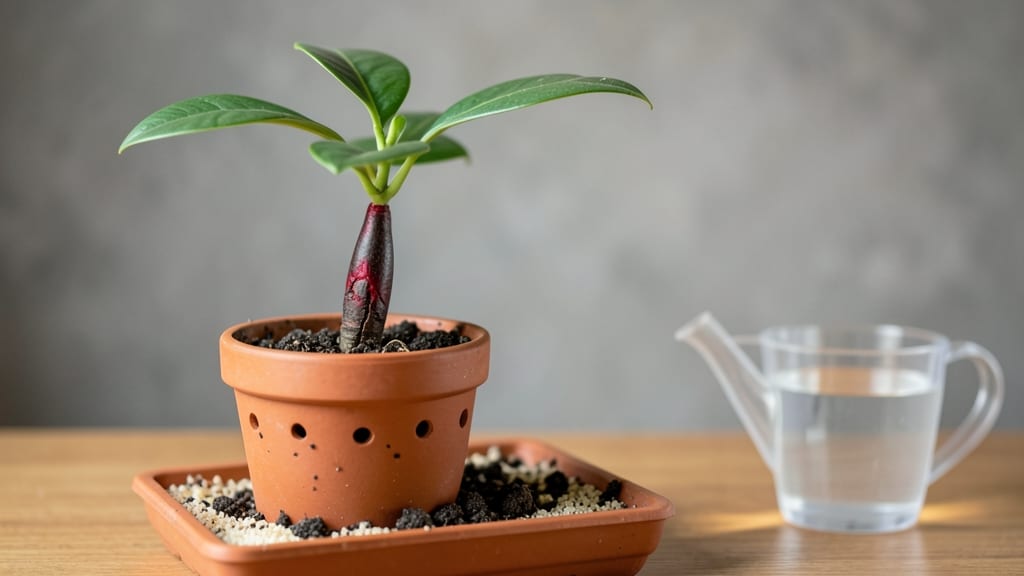
That deep red-brown avocado seed is your ticket to a thriving houseplant—not just a science experiment. 🌱 I’ve sprouted dozens, and the ones with that rich red hue germinate faster when you use the cold moisture trick.
Most people toss the seed after the pit, but those dark red layers hold the secret to reliable growth.
The key is patience and the right setup: a glass jar, toothpicks, and a damp paper towel. Keep it moist (not soggy) and in a warm spot—within 8 weeks, you’ll see roots peeking through.
The red seed coat signals it’s ready, but the trick is maintaining steady moisture without drowning it. Too much water? Rot sets in fast. Too little? It dries out and gives up.
By the time those first leaves unfurl, you’ll have a sturdy seedling ready for its own pot. The plant grows slow at first, but with bright indirect light, it’ll reward you with glossy foliage and—years down the line—maybe even a fruit.
The red seed isn’t just a gimmick; it’s nature’s way of telling you it’s ready to grow.
Works for any avocado seed, no matter the variety. Here’s how to avoid the common pitfalls—like leggy stems or yellowing leaves—that trip up new growers. Let’s get those roots going the right way.
What triggers red avocado seeds
The vibrant red blush on your avocado seed isn’t just a cosmetic quirk—it’s a fascinating biological response to specific conditions. While the exact science is still being studied, researchers and plant enthusiasts have pinpointed key factors that trigger this striking color change.
Understanding these causes can help you replicate the effect or troubleshoot if your seed isn’t cooperating. Here’s why your avocado seed might be turning red:
When an avocado seed germinates, it undergoes dramatic hormonal changes, particularly an increase in ethylene and abscisic acid (ABA). These plant hormones play a critical role in stress responses and coloration.
Ethylene, often called the "ripening hormone," can accelerate metabolic processes, including the production of anthocyanins—the pigments responsible for red, purple, and blue hues in plants. As the seed breaks dormancy, these pigments may surface in the seed coat or surrounding tissues, creating the red blush.
Actionable tip: If you’re soaking your seed in water (a common germination method), ensure the water stays warm (70–85°F) but not hot. Warmth encourages ethylene production without causing stress, which can amplify the red pigmentation. 🌡️
The "cold moisture trick" mentioned in your article isn’t just about hydration—it’s about controlled stress. When avocado seeds are exposed to prolonged moisture (like soaking for days) followed by brief drying periods, they experience mild hypoxia (low oxygen).
This stress triggers a defensive response, including the production of anthocyanins as a protective measure against cellular damage.
Think of it like this: The seed is essentially saying, "I’m under attack!" and deploying its chemical armor. The red coloration is a visible sign of this survival mechanism. However, too much moisture can lead to mold or rot, while too little may prevent the reaction entirely.
The sweet spot? A balance of consistent dampness (like wrapping the seed in a damp paper towel) with occasional air exposure (e.g., unwrapping for a few hours every 2–3 days).
Pro tip: If your seed isn’t turning red after 2–3 weeks of soaking, try the "sandwich method": Place the seed between two damp paper towels in a sealed plastic bag with a few small air holes. This creates a humid microclimate while allowing gentle oxygen flow. ✨
Cold exposure is a game-changer for red avocado seeds. When seeds are subjected to cool temperatures (50–60°F for 24–48 hours) after initial soaking, it mimics natural winter dormancy cycles. This "cold shock" can break seed dormancy and stimulate the production of stress-related pigments, including anthocyanins.
Here’s how it works:
- Cold slows metabolism: Lower temperatures reduce the seed’s metabolic rate, which can accumulate stress hormones like ABA.
- Re-warming triggers response: When the seed is returned to warmer conditions (65–75°F), the hormonal shift becomes more pronounced, leading to visible reddening.
- Consistency matters: A single cold snap won’t do it—repeat the cycle every 3–5 days for best results.
Actionable steps:
- Soak your seed in warm water for 24 hours.
- Place it in the fridge (not freezer!) for 2 days.
- Return to room temperature for 1–2 days.
- Repeat until you see red pigmentation (usually within 2–3 weeks).
Not all avocado seeds turn red—it depends on the cultivar (variety). Some types, like Hass avocados (the most common), are more likely to develop red pigmentation due to their genetic makeup. Others, like Fuerte or Reed varieties, may produce seeds that stay brown or green.
If you’re curious about your seed’s potential, consider these factors:
- Parent tree traits: If the avocado you used was a Hass, your seed has a higher chance of turning red.
- Seed maturity: Older seeds (from overripe avocados) may have weaker pigment responses.
- Hybridization: Crossbreeds (e.g., Hass × Fuerte) might exhibit mixed traits, including partial reddening.
Experiment tip: Try germinating seeds from multiple avocado varieties side by side. Track which ones develop red hues and note the conditions (soak time, temperature, etc.) that worked best. This can help you predict future results! 📊
While less studied, light exposure and water pH can subtly influence pigmentation.
| Factor | Effect on Red Pigmentation | Optimal Conditions |
|---|---|---|
| Light | Indirect light (not direct sun) may enhance anthocyanin production by stimulating mild photosynthesis in the seed coat. | Place near a north-facing window or under a grow light for 4–6 hours daily. |
| Water pH | Slightly acidic water (pH 5.5–6.5) can improve nutrient uptake, supporting pigment development. | Avoid distilled water (pH-neutral); use filtered or tap water with a splash of lemon juice (1 tsp per cup) if needed. |
Quick fix: If your seed isn’t responding, try adjusting its environment with these tweaks. Even small changes can make a difference! 🎯
Quick fixes for avocado seedling
If you’ve noticed your avocado seed turning red, don’t panic—this is often a sign of stress or environmental changes, and it’s usually fixable with a few simple adjustments.
Below, we’ll break down the most common causes and provide practical, step-by-step solutions to restore your seedling’s health. Plus, we’ll share prevention tips to keep it thriving long-term.
---
Cause: A soggy seed or pot can lead to root rot, causing the seed to turn red or discolored.
How to Fix It: 1. 🔥 Check the Soil Moisture - Stick your finger 1-2 inches deep into the soil. If it’s damp (not soggy), wait before watering again. - If the soil feels cold and mushy, your seed is overwatered.
2. 👨🍳 Repot in Well-Draining Soil - Remove the seed from its current container and rinse off excess soil with lukewarm water. - Place it in a new pot with fresh, well-draining potting mix (avoid garden soil—it compacts too much). - Use a terracotta pot (they wick away moisture better than plastic).
3. ⏰ Adjust Your Watering Routine - Water only when the top 1-2 inches of soil are dry (about once every 7-10 days, depending on humidity). - Never let the seed sit in standing water—empty the saucer underneath the pot after watering.
💡 Prevention Tip: - Use a moisture meter to avoid guesswork. - Add perlite or vermiculite (10-20%) to your potting mix for better aeration.
---
Cause: Too much direct sun can scorch the seed, turning it red or causing dry, cracked spots.
How to Fix It: 1. 🌡️ Move to Indirect Light - Place your seedling near a bright, east-facing window (morning sun is gentler). - If using grow lights, keep them 6-12 inches away and use 12-14 hours of light per day.
2. 🌿 Gradually Acclimate to Sun - If outdoors, harden off your seedling by moving it to partial shade for a week before full sun. - Watch for reddening or wilting—if it happens, bring it back inside.
3. 🥗 Shield from Harsh Afternoons - Use a sheer curtain or lightweight shade cloth to filter intense afternoon rays.
💡 Prevention Tip: - Rotate the pot weekly so all sides get even light exposure. - Avoid placing near heat sources (radiators, ovens, or sunny south-facing windows).
---
Cause: Lack of nutrients or too much fertilizer can stress the seed, leading to red or stunted growth.
How to Fix It: 1. 📊 Test Your Soil (If Possible) - A simple DIY soil test kit (available at garden centers) can check pH and nutrient levels. - Avocado seedlings prefer slightly acidic soil (pH 6.0-7.0).
2. 🍎 Use a Balanced, Diluted Fertilizer - Switch to a mild, organic fertilizer (like fish emulsion or seaweed extract) diluted to half-strength. - Feed every 4-6 weeks—young seedlings don’t need much!
3. 🌱 Boost with Compost Tea - Mix 1 cup compost in a gallon of water, let it steep for 24 hours, then water your seedling with the liquid.
💡 Prevention Tip: - Wait until your seedling has 2-3 true leaves before introducing fertilizer. - Avoid synthetic fertilizers—they can burn tender roots.
---
Cause: Red spots, mold, or pests (like mites or fungus gnats) can stress your seed, turning it red or slimy.
How to Fix It: 1. 🔪 Inspect for Pests - Look for tiny webs, white cottony growth (mealybugs), or tiny flying insects (gnats). - Wipe the seed and soil surface with a neem oil solution (1 tsp neem oil + 1 tsp mild soap per quart of water).
2. 🌡️ Improve Air Circulation - Space seedlings 2-3 inches apart to reduce humidity buildup. - Use a small fan on low (2-3 hours/day) to keep air moving.
3. 🍄 Treat Fungal Issues - If you see black or red mold, sprinkle crushed cinnamon or copper fungicide on the soil. - Remove any severely infected parts with sterilized scissors.
💡 Prevention Tip: - Quarantine new plants for a week before introducing them to your seedling. - Avoid overcrowding—good airflow prevents fungal growth.
--- If your seed is soft, mushy, or severely red, it may be salvageable with this emergency revival method: 1. 🧊 Soak in Cold Water - Remove the seed from the pot and rinse off all soil. - Place it in a bowl of cold water for 12-24 hours to shock the roots and stop rot.
2. 🌱 Repot in Sterile Soil - Use fresh, sterile potting mix (or a mix of coconut coir and perlite). - Do not water immediately—let it adjust for 24 hours.
3. 🌿 Monitor Closely - Keep it in bright, indirect light and check daily for signs of recovery (new green growth). - If it starts sprouting new leaves, it’s on the mend!
--- Remember: Patience is key—some seedlings take 2-4 weeks to bounce back. With the right care, your avocado seed will bloom into a lush, green plant in no time! 🌿✨
Frequently asked questions
Why does my avocado seed turn red during germination?
The deep red color appears due to anthocyanin pigments forming as a stress response. Warmth, consistent moisture, and controlled hypoxia trigger this natural defense mechanism. Hass variety seeds are most likely to show this vibrant red blush when properly conditioned.
Can I still grow an avocado plant if my seed doesn't turn red?
The red color is purely cosmetic and doesn't affect germination success. Many avocado varieties (like Fuerte or Reed) produce seeds that stay brown or green. Focus on proper moisture control and light exposure - your seed will still grow into a healthy plant regardless of color.
How long should I keep my avocado seed in water before planting?
Soak your seed for 24-48 hours in warm water to soften the shell, then move to the germination setup. Over-soaking beyond 3 days risks mold. The cold moisture trick (alternating warm soaking with fridge storage) speeds up germination while maintaining that red pigmentation.
What's the best way to tell if my avocado seed is ready to plant?
Look for a 1-2 inch root emerging from the bottom and a slight softening of the seed coat. The red pigmentation (when present) indicates the seed is metabolically active. Gently press the seed - if it gives slightly, it's ready for the toothpick jar method.
Will my avocado seedling actually produce fruit?
Most home-grown avocado seedlings take 5-13 years to bear fruit, and even then, they may not match store-bought varieties. The red seed color doesn't affect fruit production potential. For reliable fruit, consider grafting a known variety onto your seedling's rootstock when mature.