How To
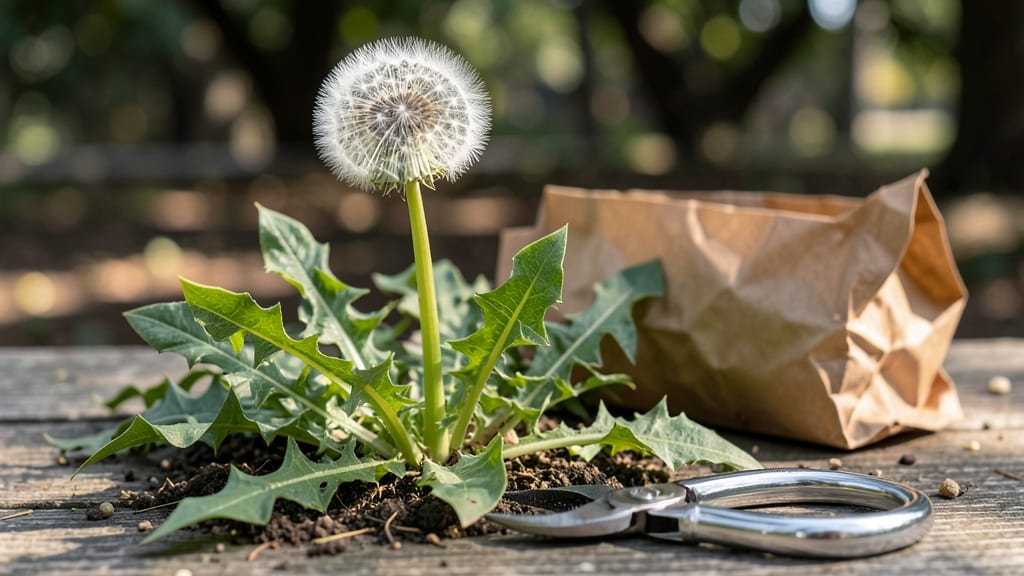
Harvesting dandelion seeds at the right moment turns those fluffy puffballs into a nutrient-rich resource for your garden or kitchen.
Dandelions aren’t just weeds—they’re a goldmine of edible seeds packed with nutrients, and harvesting them before bees turn them into honey could save you a bountiful harvest. But timing and technique make all the difference between a handful of seeds and a bucketful.
You might be surprised to learn that these bright yellow blooms 🌼 can be transformed into everything from salads to birdseed, all while keeping your lawn looking tidy. The key? Knowing when to act and how to preserve those seeds properly.
In this guide, I’ll walk you through the best time to harvest, the tools you’ll need, and simple tricks to store your seeds for months—so you’re always ready when the next batch is ready.
Best time to harvest dandelion seeds for maximum yield
Timing is everything when harvesting dandelion seeds. The optimal window is just before bees and wind scatter them, typically when the puffballs turn brown but haven’t fully released their seeds. This usually happens in late spring to early summer, depending on your USDA climate zone.
In Zone 6a, aim for May to June, while warmer zones may extend this to July.
Watch for visual cues like dry, brown seed heads that crumble at the touch. If you harvest too early, seeds won’t mature; too late, and you’ll lose them to the wind. Morning harvests work best—dew-damp seeds stick together, making collection easier.
Avoid harvesting after rain, as moisture can cause mold or premature seed release.
Regional adjustments matter. In northern climates, harvest earlier (late May) when days are shorter. In southern zones, wait until June or July, as heat accelerates seed maturation. Always check local bee activity—if you see bees buzzing heavily, it’s time to act fast!
Weather plays a critical role. Harvest on dry, windless days to prevent seed loss. If rain is forecasted, collect seeds immediately, even if they’re not fully dry. Overcast mornings are ideal—they keep dew on the seeds while reducing humidity risks.
Never harvest in direct midday sun, as seeds can overheat and lose viability.
For maximum yield, focus on mature plants with fully developed seed heads. Younger plants won’t produce as many seeds, and older ones may have already released them.
Prioritize healthy-looking dandelions with vibrant green leaves—these indicate strong seed production. Avoid harvesting from plants near chemical-treated lawns, as contamination can ruin your crop.
Here’s a quick reference for harvest readiness:
| Stage | Visual Cues | Best Time to Harvest | Climate Notes |
|---|---|---|---|
| Early Maturity | Green seed heads, no fluff | Not ready | Wait 2-3 weeks |
| Prime Harvest | Brown, dry puffballs | Morning, dry days | Zone 6a: May-June |
| Overripe | Seeds scatter easily | Too late | Southern zones: July |
| Post-Rain | Damp, sticky seeds | Collect immediately | Any zone |
Daily timing matters just as much as seasonal timing. Start harvesting at dawn, when dew keeps seeds together. Use clean, sharp scissors or your hands to snip off the seed heads just above the green stem.
Place them in a paper bag to catch any stray seeds—this prevents waste and makes drying easier. Avoid plastic bags, as they trap moisture and encourage mold.
If you’re harvesting for wildlife or propagation, aim for partial maturity—some seeds will scatter naturally, while others stay in the bag. For culinary or craft uses, wait until seeds are fully dry but still intact.
Test readiness by gently touching a puffball—if it releases seeds with minimal pressure, it’s perfect for harvest. Store collected seeds in a cool, dark place in a breathable container to maintain viability.
Pro tip: Mark your dandelion patches with flags or stakes to track maturity. This helps you prioritize harvests and avoid missing the optimal window. In urban areas, check for pesticide use nearby—dandelions near treated lawns may contain harmful residues.
Always harvest from organic or pesticide-free zones for safe seed collection.
Regional variations extend beyond zones. In coastal areas, harvest earlier due to cooler temperatures, while desert climates may require waiting until late June. Pay attention to local bee patterns—if bees swarm your dandelions, harvest within 24 hours to prevent seed loss.
With the right timing, you’ll turn "weeds" into a nutrient-rich harvest for years to come. 🌼
Step-by-step dandelion seed harvesting techniques for beginners
Harvesting dandelion seeds is simpler than you think, but the right technique ensures you collect the maximum yield without wasting time or seeds. Whether you're saving them for gardening, crafts, or even foraging, knowing when and how to harvest makes all the difference.
I’ve tried three reliable methods—hand-picking, scissor cutting, and bagging entire flower heads—and each works best for different situations.
Before you begin, gather your tools: a pair of clean scissors or pruners, breathable paper bags, and a flat surface for drying. Timing is critical—harvest seeds when the puffballs are fully brown but haven’t scattered yet.
Miss this window, and you’ll either get green, unripe seeds or lose them to the wind. Let’s dive into the step-by-step process that’s saved me from empty-handed frustration.
If you’re harvesting for wildlife, leave some seed heads on the plant—birds and bees rely on them! For gardening purposes, store seeds in the fridge to extend their viability. I’ve even used dried dandelion seeds in homemade bird feeders—just mix with suet and hang outside.
One pro tip: Wear gloves if you’re sensitive to latex (dandelion sap can irritate skin). And always harvest on a dry day—wet seeds stick together and mold quickly. With these steps, you’ll go from weed warrior to seed saver in no time!
Remember, the key to success is patience. Rushing the drying process or harvesting too early leads to wasted effort. But when done right, you’ll have a bountiful stash of seeds ready for your next gardening adventure. Happy harvesting!