Lawn
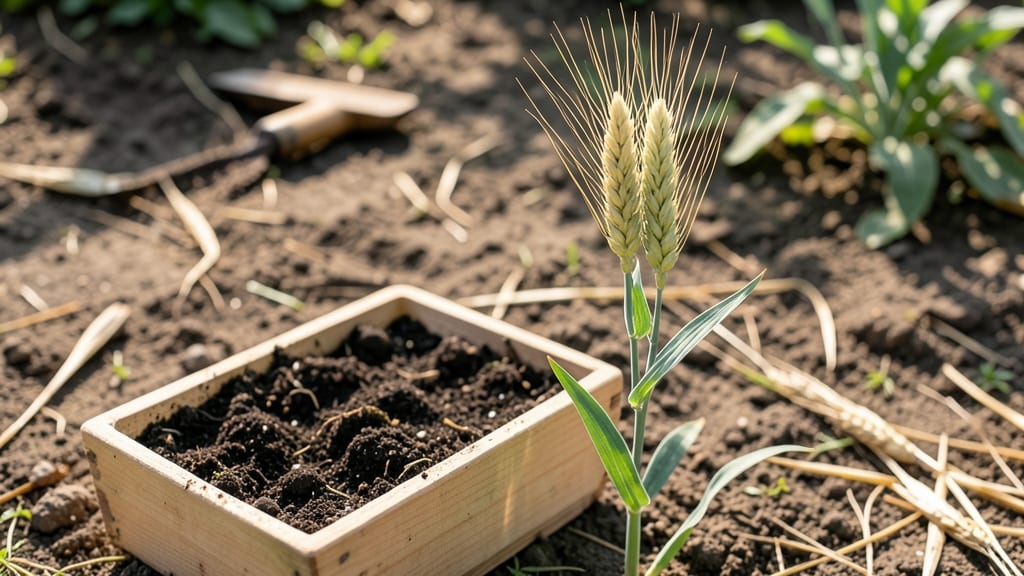
Planting wheat seeds at the right depth—between 1 to 1.5 inches—is the secret to unlocking strong stands and bountiful harvests 🌾.
Planting wheat at the wrong depth can mean the difference between a thriving crop and wasted seeds—getting it right ensures stronger stands, better root development, and higher yields. But how deep should you plant wheat seeds, and what factors influence this critical decision?
Most gardeners assume deeper is better, but wheat seeds planted too deep struggle to break through the soil, while seeds planted too shallow risk drying out before they sprout. The ideal depth balances moisture retention with easy emergence, especially in USDA Zone 6a where spring temperatures can be unpredictable.
In this guide, I’ll walk you through the exact planting depth for your soil type, common mistakes to avoid, and pro tips to maximize germination—so you can grow wheat like a seasoned farmer, even if you’re just starting out.
Optimal wheat seed depth by soil type and conditions
Getting the wheat seed depth right is one of the most critical steps for a successful harvest. Most gardeners aim for a 1.5–2.5 inch planting depth, but this can vary based on your soil type and growing conditions.
Sandy soils, for example, dry out faster and require shallower planting, while clay soils hold moisture longer and may need slightly deeper seeds. Understanding these nuances ensures your wheat emerges uniformly and thrives.
Beyond soil texture, factors like moisture levels, climate, and even your tillage method play a role. In dry regions, planting deeper helps seeds access moisture, while in wet climates, shallower depths prevent rot.
Meanwhile, no-till farming often requires adjustments compared to conventional tillage, as residue can affect seed placement. Let’s break down the ideal depths for different scenarios to help you maximize your yield.
comparison-table
For sandy soils, I recommend planting wheat seeds at 1.0–1.5 inches deep. These soils drain quickly, so shallower depths help seeds stay moist while still allowing room for root development.
If your region experiences drought, you might even plant slightly deeper—up to 1.75 inches—to give seeds better access to water. Always check moisture levels before planting; dry soil can cause seeds to fail to germinate.
In loamy soils, the 1.5–2.0 inch range is ideal because they balance moisture retention and drainage perfectly. This soil type is forgiving, making it easier to achieve consistent germination.
If you’re using conventional tillage, loamy soil is particularly well-suited because it crumbles easily, allowing seeds to settle at the perfect depth without clumping. For no-till methods, aim for the upper end of this range to ensure seeds aren’t buried too deeply under residue.
Clay soils require the deepest planting at 2.0–2.5 inches due to their high moisture retention. The extra depth helps seeds avoid sitting in waterlogged conditions, which can lead to rot. If your clay soil is compacted, consider breaking it up slightly with a broadfork before planting to improve aeration. In wet climates, you might adjust to the shallower end of this range to prevent over-saturation.
If you’re planting in silty soils, which can be prone to compaction, stick to 1.5–2.2 inches. These soils hold moisture well but can become dense, so avoid planting too shallow or too deep. For cool clim
Common mistakes in wheat seed depth and how to avoid them
Getting the wheat seed depth wrong is one of the most common mistakes that can sabotage your entire crop. Whether you're planting in a small garden or a large field, improper depth leads to uneven germination, weak stands, and even seed rot.
I’ve seen firsthand how a ½-inch difference can turn a promising planting into a failure.
Most gardeners assume deeper is always better, but that’s not true for wheat. The ideal planting depth balances moisture access with protection from soil-borne diseases. Too shallow, and your seeds dry out before sprouting. Too deep, and they struggle to push through compacted soil, often rotting before they even germinate.
Too shallow (under 1 inch) causes seeds to dry out or get eaten by birds before sprouting. Too deep (over 2.5 inches) leads to poor root development and increased risk of seed rot.
In sandy soils, aim for 1.5 inches—water drains too quickly at shallower depths. In clay soils, plant 2 inches deep to prevent waterlogging and seed suffocation.
Another common issue is uneven seed depth across the field or garden. Uneven planting creates weak spots where weeds can take over or where plants compete for nutrients.
I’ve used a simple trick to fix this: mark your rows with a stake and string at the correct depth, then use a seed drill or even a handheld depth gauge to ensure consistency.
Soil compaction is another sneaky problem that affects wheat seed depth indirectly. Compacted soil makes it harder for seedlings to push through, so always loosen the top 3 inches of soil before planting. If you’re working with heavy clay, consider adding compost or sand to improve drainage and root penetration.
If you notice patchy germination, check your planting depth first. Uneven sprouting often means some seeds were too shallow or too deep. For troubleshooting, dig up a few failed seeds—if they’re still firm, they need more moisture or proper depth.
If they’re mushy, they’ve rotted from being planted too deep or in waterlogged soil.
For large-scale plantings, invest in a precision planter that maintains consistent depth. Even small gardens benefit from a seed depth gauge or a simple ruler. Remember, the goal is to place seeds where they’ll have moisture, oxygen, and warmth—not buried too deep or left exposed.