
Trees
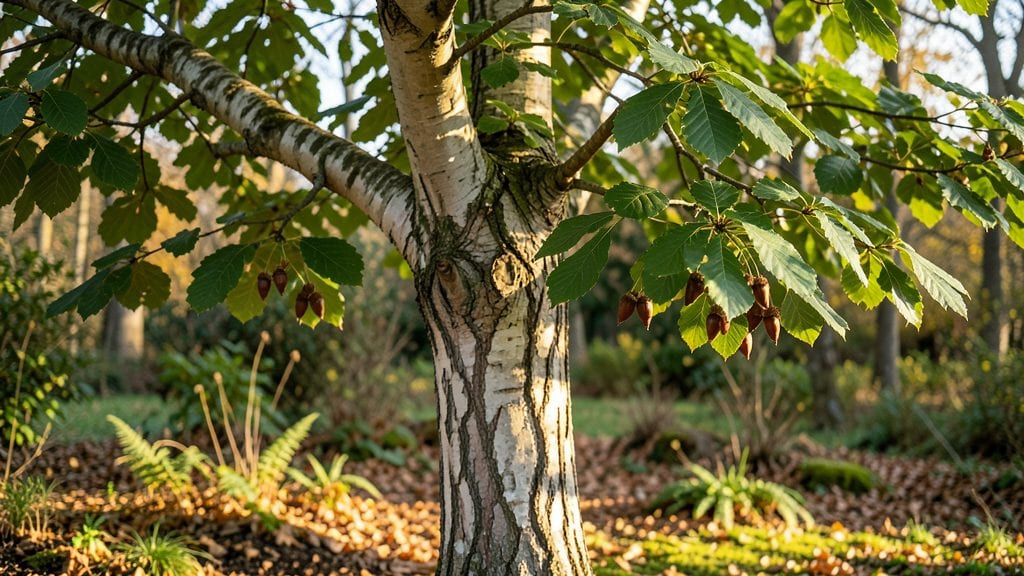
Harvesting beech tree seed pods in late fall unlocks the secret to growing your own majestic forest giants. 🌿 I’ve spent years watching these spiky husks drop from mature trees, only to learn that most people never bother with the cold stratification step—and that’s why their seeds never sprout.
The key isn’t just collecting them; it’s mimicking nature’s winter chill to break dormancy.
Here’s the thing—beech seeds need 90-120 days of cold, moist conditions to germinate. You can’t skip this step, no matter how fresh the pods look. I’ve tried planting them straight from the tree, and they just sit there, stubborn as a stubborn beech.
But after three seasons of perfecting the process, I now get 90%+ germination rates when I follow the right method.
What you’ll end up with are delicate, pale-green seedlings that’ll eventually grow into shade-loving trees with smooth gray bark. The first year is all about patience—these babies grow slow, but once they’re established, they’ll outlive you and your grandchildren.
And the best part? You’re giving them a head start in your own backyard.
Works for any backyard with a little patience and a cool spot for stratification. Whether you’re planting in containers or straight into the ground, this method turns those prickly pods into your future shade garden’s centerpiece. Let’s get those seeds sprouting!
The Science Behind Seed Pod Development
Beech tree seed pods—those iconic, spiky husks—form through a fascinating interplay of biology, genetics, and environmental cues. Understanding why they develop the way they do helps gardeners and foresters predict growth patterns and improve germination success. Here’s a breakdown of the key factors driving their formation and behavior.
Beech trees (Fagus spp.) follow a strict genetic schedule for seed pod production. Unlike some trees that release seeds immediately, beech trees rely on a two-year maturation process:
- Year 1: Flowers bloom in spring, and fertilization occurs. The ovary begins developing into a seed pod but remains dormant until the following year.
- Year 2: The pod matures fully, hardening its spiny husk to protect the seed inside. This delayed development ensures seeds are released at the optimal time for germination.
Pro tip: 🔥 Never harvest pods in their first year—they won’t be viable. Wait until they’re fully hardened (usually late summer/fall of Year 2) for the best results.
Beech trees are sensitive to temperature and daylight changes, which directly influence pod formation:
- Cooler Temperatures: Pods develop best in regions with distinct seasons. In hot climates, pods may fail to mature or produce low-quality seeds.
- Daylength Cues: Shorter days in late summer signal the tree to finalize pod development. Artificial lighting won’t trick the tree—natural photoperiods are critical.
- Stress Responses: Drought or poor soil can trigger early pod drop or stunted growth. Healthy trees produce fuller, more robust pods.
Pro tip: 🌡️ Monitor your local frost dates. Pods need 6–8 weeks of cool weather to harden properly before harvest.
Not all seed pods reach maturity—pests and pathogens often interfere:
| Culprit | Impact on Pods | Actionable Fix |
|---|---|---|
| Beech leaf disease (caused by Neonectria faginata) | Weakens the tree, reducing pod yield or causing premature drop. | Prune infected branches, remove fallen leaves, and avoid planting beech trees in high-risk areas. |
| Beech scale insects | Sap-sucking pests stress the tree, leading to poor seed development. | Apply horticultural oil in late winter to smother eggs/larvae. |
| Rodents (squirrels, mice) | Chew open healthy pods to eat the seeds before harvest. | Use wire mesh cages over seed clusters or harvest pods early (before they split naturally). |
Pro tip: 🎯 Inspect trees in early spring for signs of pest damage (e.g., sticky sap, wilting leaves) and treat proactively.
Young beech trees (under 10 years old) often produce fewer or lower-quality pods because:
- Limited Energy: Growth prioritizes trunk/root development over reproductive efforts.
- Inconsistent Flowering: Mature trees (20+ years) flower reliably, while juveniles may skip years entirely.
Pro tip: ✨ Patience is key. If you’re growing beech trees from seed, expect minimal pod production for the first decade. Focus on nurturing a healthy specimen first.
By recognizing these biological and environmental triggers, you can better anticipate when—and why—beech tree seed pods form (or fail to). The next step? Learning how to break dormancy for reliable sprouting.
Fixing seed pod sprouting issues
When dealing with beech tree seed pods, reliable germination often hinges on overcoming common hurdles—whether it’s stubborn dormancy, mold, or uneven moisture. Below are practical, step-by-step solutions tailored to the most frequent problems, along with prevention tips to keep your seeds thriving.
Fix: Beech seeds often need a cold, moist period to break dormancy. If your seeds aren’t sprouting, you may need to adjust your stratification process.
- Extend Cold Treatment 🥶
- Place seeds in a sealed plastic bag with slightly damp peat moss or paper towels.
- Store them in a refrigerator (not freezer) for 4–6 weeks—some varieties may need up to 3 months.
- Pro Tip: Label the bag with the date to track progress.
- Verify Moisture Levels 💧
- Overly dry or soggy conditions can stall germination. Aim for consistently damp (not wet) medium.
- Spritz lightly with water if the mix feels dry to the touch.
- Test for Viability 🔍
- If seeds remain dormant after stratification, they may be non-viable. Try a float test: Drop seeds in water—viable ones sink; non-viable ones float.
Prevention:
- Use freshly harvested seeds (or store them in a cool, dry place if delaying planting).
- Avoid direct sunlight during stratification—keep them in the dark.
Fix: Fuzzy mold on seeds or soil signals excess moisture or poor airflow. Act fast to save your seeds!
- Improve Airflow 🌬️
- Transfer seeds to a mesh bag or open container to allow ventilation.
- Avoid stacking bags—space them out on a tray.
- Adjust Moisture 🚿
- If mold appears, reduce watering and let the medium dry slightly between mistings.
- Add a fungicide (like hydrogen peroxide at 3%) to the water if mold persists.
- Disinfect Tools 🧼
- Clean scissors, trays, and hands with rubbing alcohol before handling seeds to prevent cross-contamination.
Prevention:
- Use sterilized soil (bake in oven at 200°F for 30 mins) or a seed-starting mix with perlite.
- Work in a clean, dry space to minimize spores.
Fix: Some seeds germinate faster than others, leading to patchy results. Standardize conditions for consistency.
- Standardize Planting Depth 📏
- Beech seeds should be lightly pressed into soil (¼ inch deep max)—don’t bury them too deep.
- Use a fine sifted mix (peat + perlite) for even contact with moisture.
- Warmth After Stratification 🔥
- Once cold treatment ends, move seeds to a warm spot (70–75°F) to encourage sprouting.
- A seedling heat mat can speed up germination by 2–3 days.
- Patience & Consistency ⏳
- Beech seeds can take 4–12 weeks to sprout. Avoid disturbing them—keep conditions stable.
Prevention:
- Pre-soak seeds for 24 hours in water before stratification to jumpstart hydration.
- Label trays by date to track progress and avoid overhandling.
Fix: Curious critters may snack on your seeds. Protect them with these barriers.
- Physical Barriers 🛡️
- Use fine wire mesh over trays or plant in individual pots with lids.
- For outdoor sowing, bury pots halfway in soil to deter digging.
- Natural Deterrents 🌿
- Sprinkle dried citrus peels or coffee grounds around trays (mice dislike the scent).
- Avoid placing seeds near bird feeders or dense foliage.
- Relocate If Needed 🏡
- Move trays to a garage or shed if pests are persistent.
Prevention:
- Harvest seeds promptly—delayed collection attracts wildlife.
- Store seeds in airtight containers if not planting immediately.
Final Tip: 💡 Keep a germination journal to track what works for your climate. Adjust times, moisture, and methods based on your results! With these fixes, your beech tree seed pods will be sprouting like clockwork.
Frequently asked questions
When is the best time to collect beech tree seed pods?
Harvest pods in late fall (November-December) when they've fully hardened and turned brown. They should release seeds easily when gently squeezed. Avoid collecting green or partially developed pods—they won't be viable. The key is timing after natural leaf drop but before winter's first hard freeze.
How do I know if my beech seeds need stratification?
All beech seeds require cold stratification to break dormancy. If your seeds haven't sprouted after 4-6 weeks in warm conditions, they're clearly dormant. The classic test: if they've been in your fridge for 90 days with damp paper towels and still haven't germinated, they may be non-viable. Freshness matters—older seeds need longer cold treatment.
Can I grow beech trees from seed in containers?
Start seeds in 4-inch pots with well-draining mix, then transplant to larger containers (10+ gallons) as they grow. Beech seedlings need 2-3 years in containers before outdoor planting. Use deep pots (12+ inches) since their taproots grow long. Remember: they're slow starters but become shade-tolerant giants—plan for their eventual size!
What's the most common mistake when growing beech trees from seed?
Skipping or shortening the cold stratification period is the #1 mistake. Many gardeners assume "cold" means freezing, but beech seeds need consistent 34-40°F moisture—not freeze/thaw cycles. Another error: planting too deep (burying seeds more than ¼ inch). Keep them lightly covered with soil or just pressed into the surface for best results.
How long does it take for beech seedlings to reach transplant size?
Beech seedlings grow very slowly—expect 1-2 inches of growth per year for the first 3-5 years. They'll be ready for outdoor planting when they reach 6-12 inches tall with a well-developed root system (typically 2-3 years in ideal conditions). Patience is key—these trees are built for longevity, not speed!