
Vegetables
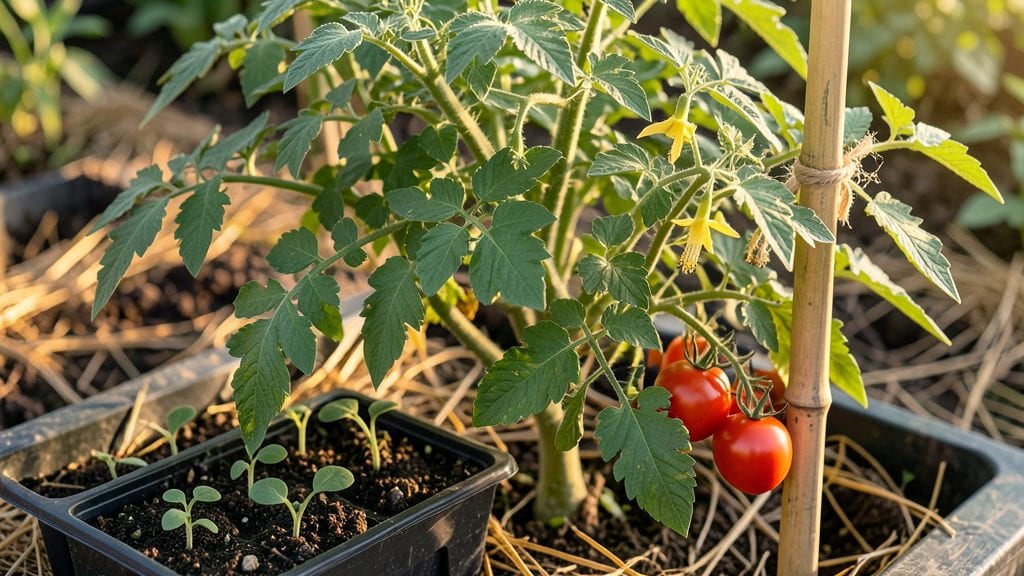
Big Boy tomato seeds promise the kind of beefsteak tomatoes that make neighbors ask where you got them—meaty, juicy slices that practically drip flavor. 🌱 I’ve grown these determinate plants for years, and the secret isn’t just the seeds—it’s knowing exactly when to plant, how to support those heavy vines, and when to let them go wild with fruit.
The first time I sliced into one after a 90-degree summer, I knew I’d never buy store-bought again.
These plants thrive when started indoors 6-8 weeks before last frost, then transplanted into full sun with rich, well-draining soil. The key? Cage or stake them early—those 1-pound tomatoes need support, or the vines will collapse under their own weight.
Water consistently at the base (not the leaves) to avoid cracking, and feed with balanced fertilizer every 2-3 weeks once flowers appear. The payoff? A harvest that lasts from midsummer through frost, with tomatoes so sweet they taste like summer in every bite.
Here’s where it gets fun: Companion plants like basil and marigolds keep pests away, while lettuce and radishes grow happily in the shade of the tomato leaves.
I’ve seen 20+ pounds per plant in a good season, and even in small spaces, a 5-gallon container can produce enough for sandwiches all summer. The only real challenge? Blossom end rot—fix it with calcium-rich amendments and steady moisture, and you’ll never lose another fruit.
Perfect for backyard gardens, raised beds, or even patio containers—just give them room to sprawl and watch those vines transform into a juicy, sun-ripened goldmine. Let’s get those seeds started! (And trust me, you’ll want to save some for next year.)
📚 In This Guide
- What you need
- Instructions
- Tips and common mistakes
- Wrapping up and next steps
What you need
- ● Big Boy tomato seeds – Start with 3–5 seeds per plant (or more if you’re sharing!)
- ● Seed-starting trays or biodegradable pots – 50+ cell trays or 2–3 inch pots
- ● Seed-starting mix – Lightweight, sterile potting soil (avoid garden soil!)
- ● Grow lights or sunny windowsill – 12–16 hours of light daily for seedlings
- ● Watering can or spray bottle – Mist seeds gently to avoid disturbing them
- ● Fertilizer (balanced, water-soluble) – 5-10-5 or organic option like fish emulsion
- ● Transplant containers or garden beds – 5-gallon pots or raised beds with well-draining soil
- ● Tomato cages or stakes – 6–8 ft tall for support (Big Boys get huge!)
- ● Mulch (straw or black plastic) – Helps retain moisture and suppress weeds
- ● Heating mat – Speeds up germination in cooler climates
- ● pH test kit – Keep soil pH between 6.0–6.8 for optimal growth
- ● Pruning shears – For shaping vines and removing suckers
- ● Drip irrigation system – Saves time and keeps roots happy
- ● Compost or worm castings – Boosts soil fertility naturally
Step-by-step instructions for growing Big Boy tomato seeds indoors
Here’s how to coax those legendary Big Boy tomatoes into thriving vines—even when winter’s outside.
🌱 Step 1: Start Seeds Early with Warmth and Moisture
Fill 4 seed-starting cells (from your materials) with the sterile seed-starting mix, pressing it down lightly to remove air pockets. Big Boy seeds need consistent warmth to germinate—place the tray on a seedling heat mat set to 75-85°F. Moisten the mix with a spray bottle until it’s damp but not soggy, then sow 2 seeds per cell at ¼-inch depth. Cover the tray with a clear humidity dome to trap warmth and moisture.
Seeds should sprout in 5-10 days, but don’t rush to water again until the soil’s surface feels dry to the touch. Overwatering now smothers them before they break through. Once 50% of seeds sprout, remove the dome immediately—trapped humidity invites damping-off, which collapses stems overnight.
☀️ Step 2: Provide Strong Light Immediately
The instant those first true leaves appear (not the initial cotyledons), move seedlings under a full-spectrum LED grow light positioned 2-4 inches above the tray. Big Boy tomatoes need 14-16 hours of light daily—without it, they’ll stretch leggy and never recover. Raise the light as they grow to maintain that gap, and rotate the tray quarter-turn daily so they grow straight.
You’ll know the light’s right when seedlings have thick stems, deep green leaves, and compact spacing between nodes. If they’re pale and stretched, lower the light or increase exposure. Avoid windowsills—natural light varies too much and won’t deliver the intensity they need.
🪴 Step 3: Transplant to Larger Containers
When seedlings show 3-4 true leaves (about 4-6 weeks after sowing), transplant the strongest one per cell into 5-gallon fabric grow bags filled with the moistened potting mix. Gently tease apart roots if they’re tangled, then bury them to the first set of leaves—this encourages deeper root growth. Water deeply right after transplanting to settle the soil.
Big Boy tomatoes need strong support—install a 6-foot tomato cage or bamboo stake immediately. These vines grow heavy, so the structure must be sturdy. Place pots in a sunny spot (or under grow lights) where they’ll get full sun for 8+ hours daily. You’ll see new leaves emerge within a week—that’s your signal everything’s working.
💧 Step 4: Feed and Prune for Maximum Juice
Start fertilizing 2 weeks after transplanting with a balanced liquid fertilizer (10-10-10) diluted to half-strength. Big Boy tomatoes are heavy feeders, so feed every 2 weeks during active growth. Water at the base in the morning to prevent fungal issues—aim for 1-2 inches of water per week, adjusting for rain. You’ll know moisture’s right when the top inch of soil feels dry to the touch.
Prune suckers (the small shoots in the leaf axils) weekly to direct energy into fruit production. Remove lower leaves that touch the soil to improve airflow. When flowers appear, hand-pollinate by gently shaking the vines daily—this ensures heavier, juicier tomatoes. You’ll start seeing fruit in 60-70 days after transplanting.
⏰ Step 5: Extend the Season with Care
To keep Big Boy tomatoes producing year-round, harvest regularly—ripe fruit signals the plant to set more. In cooler months, move pots to a sunny indoor spot or under supplemental grow lights. Reduce watering slightly in winter (let the top 2 inches of soil dry between waterings) to prevent root rot. Prune back 1/3 of the plant after the first flush of fruit to encourage a second harvest.
With this method, you’ll enjoy juicy, beefsteak-sized tomatoes for months. The key? Consistent warmth, strong light, and patient pruning. Skip any of these, and you’ll end up with small, bland fruit—or worse, no tomatoes at all.
Tips & tricks for perfect Big Boy tomato seedlings
Big Boy tomatoes demand precision—here’s how to avoid the pitfalls that turn promising seedlings into sad, leggy shadows.
Warmth is Non-Negotiable: That 75-85°F heat mat range isn't just a suggestion—it's the Goldilocks zone for germination. I learned this the hard way after watching seeds rot in a cool basement. If your home runs chilly, place the tray on top of your fridge (not inside) for that extra warmth boost. And never let the soil temperature drop below 70°F—Big Boy seeds will sulk and refuse to sprout.
The Light Game-Changer: Those 14-16 hours of light aren't optional—they're the difference between compact, juicy vines and sad, stretched-out shadows. I use a full-spectrum LED grow light on a timer to automate this, but if you're using natural light, supplement with a compact fluorescent bulb during winter months. The moment you see seedlings leaning toward the light, rotate the tray quarter-turn daily—this prevents them from growing crooked, which happens more often than you'd think.
Transplanting Wisdom: When you're ready to move those 3-4 true leaf seedlings to 5-gallon fabric grow bags, don't rush the process. Gently tease apart those tangled roots—this might seem tedious, but it prevents root circling that'll strangle your plant later. Bury them to the first set of leaves (not just the soil line) to encourage that deep root system Big Boy tomatoes crave. And here's a pro move: water the soil before transplanting, then let it drain completely before adding to your growing setup—this prevents soggy soil that invites fungal problems.
Pruning for Juice: Those weekly sucker removals might seem like busywork, but they're the secret to those legendary juicy tomatoes. I prune suckers back to a leaf or two below where they emerge—never leave a stub. And when you're hand-pollinating those flowers, give the vines a good gently shake for 5 seconds every morning. This mimics nature's wind pollination and dramatically increases fruit set. The payoff? Tomatoes so heavy they'll make your cage groan with satisfaction.
Pro Tips for Big Boy Tomato Seeds
- Big Boy tomatoes demand precision—here’s how to avoid the pitfalls that turn promising seedlings into sad, leggy shadows.
- Warmth is Non-Negotiable: That 75-85°F heat mat range isn't just a suggestion—it's the Goldilocks zone for germination.
- The Light Game-Changer: Those 14-16 hours of light aren't optional—they're the difference between compact, juicy vines and sad, stretched-out shadows.
Frequently asked questions
Got questions about growing Big Boy tomato seeds? You’re not alone!
Here are some of the most common queries—plus quick, no-nonsense answers to help you crush the harvest.
When is the best time to plant Big Boy tomato seeds indoors vs. outdoors?
Start Big Boy tomato seeds indoors 6–8 weeks before your last frost date (use a seed-starting tray with heat mats for faster germination). Transplant seedlings outdoors after soil temps hit 55°F+ and nighttime temps stay above 50°F. Pro tip: Harden off seedlings for 7–10 days before moving them to avoid shock!
How long does it take for Big Boy tomatoes to fruit after transplanting?
With ideal conditions (full sun, consistent water, and warm soil), expect 60–70 days to first fruit after transplanting. However, Big Boys are indeterminate, so they’ll keep producing until frost—sometimes for months! Patience pays off!
Can I grow Big Boy tomatoes in containers, or do they need a garden bed?
Big Boy tomatoes thrive in 5-gallon+ containers with sturdy stakes or cages. Just ensure the pot has drainage holes and use a high-quality potting mix (avoid garden soil). For extra yield, opt for a fabric grow bag—it mimics soil moisture better than plastic.
What should I do if my Big Boy tomato plants get pests or diseases?
Start with prevention: Use row covers early for pests like aphids or hornworms. For fungal issues (like blight), prune lower leaves for airflow and apply neem oil or copper fungicide. Act fast! If pests strike, handpick critters or introduce beneficial insects (like ladybugs). Never use chemical sprays on edible plants.
Are Big Boy tomatoes heirloom, hybrid, or GMO? Can I save seeds?
Big Boy tomatoes are a hybrid variety (not heirloom), so saving seeds won’t guarantee the same traits. However, you can still try! Let a ripe tomato ferment in water for 2–3 days, then dry the seeds. Hybrids often surprise you—worth a shot! For consistent results, buy fresh seeds yearly.
Wrapping up and next steps
Growing Big Boy tomato seeds is your ticket to a bountiful, homegrown harvest of juicy, flavor-packed tomatoes—no matter the season! With the right setup, patience, and a dash of creativity, you’ll enjoy vine-ripened goodness straight from your garden or containers.
Whether you’re a green thumb or just starting, these heirloom seeds deliver big rewards with minimal fuss.
Ready to take the next step? Start small—plant a few seeds today and watch your confidence (and tomatoes!) grow. Share your progress with fellow gardeners, experiment with pruning or staking, and soon, you’ll be the neighborhood’s go-to for the best Big Boy tomatoes around. Happy growing! 🌱🍅