
Flowers
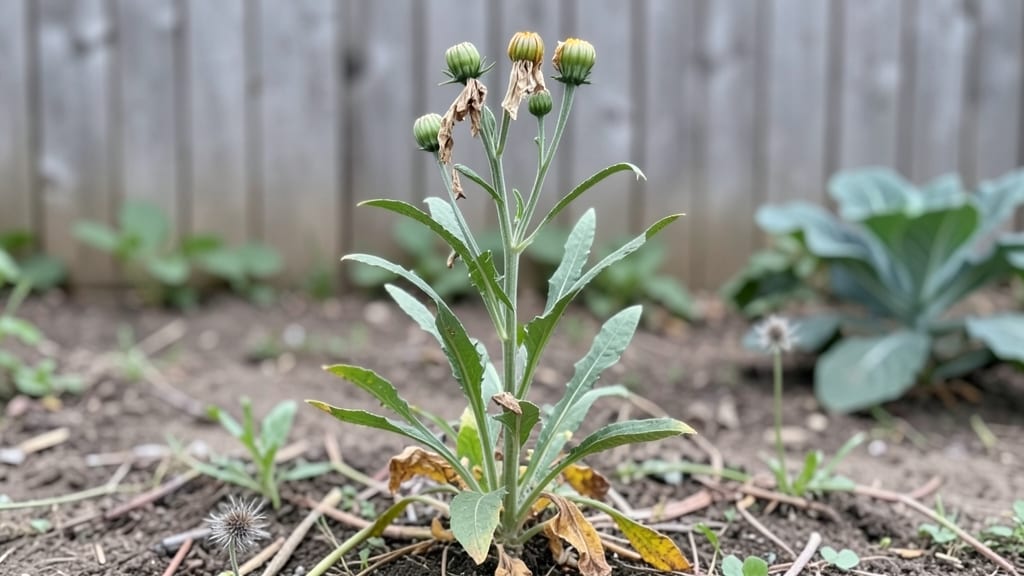
To harvest calendula seed heads at their best, wait until the vibrant petals fade completely and turn brown, revealing dry, papery seed pods. Cut stems cleanly with pruners, then let the heads dry thoroughly in a well-ventilated space before storing seeds for planting or decorative projects.
Harvesting calendula seed heads at the right stage ensures you capture the most viable seeds while preserving the plant's natural beauty. 🌿 The transition from bright petals to brown, papery pods signals full maturity—this is when the seeds inside are fully developed and ready for collection.
I've found that harvesting in late summer or early fall, when temperatures begin to drop, yields the best results for seed quality and storage longevity.
Once cut, the drying process is crucial—spreading the seed heads in a dry, airy spot prevents mold while allowing the pods to fully open.
After about 2-3 weeks, you can gently rub the dried pods between your fingers to release the seeds, which can then be stored in paper envelopes in a cool, dark place for up to 2 years.
These seeds aren't just for gardening; dried calendula heads also make stunning potpourri or floral arrangements.
💡 In This Article
- Optimal Timing for Harvesting Calendula Seed Pods
- Preserving and Storing Calendula Seeds for Future Use
Optimal timing for harvesting calendula seed pods
Here's what's actually happening botanically when calendula flowers signal seed readiness: the vibrant orange-yellow petals contain chlorophyll that breaks down as the plant redirects energy to seed production.
This breakdown causes the petals to fade to a dull brown, while the central seed pods develop a papery texture—similar to how dried corn husks feel. The key factor is the moisture content dropping below 10%, which triggers the pods to open naturally.
This process typically takes 4-6 weeks from initial flowering, depending on growing conditions.
The science behind this involves ethylene gas production, which calendula plants release as they mature. This hormone accelerates petal senescence (aging) while hardening the seed pods. You'll notice the stems become woody at the base, another clear sign of maturity.
Temperature plays a crucial role—calendulas grown in 70-75°F environments mature faster than those in cooler climates, where seed development may stretch to 8-10 weeks. The cooler nights of late summer (below 65°F) actually help slow petal degradation, giving you a longer harvest window.
What most people don't realize is how sunlight intensity affects timing. Plants receiving 6+ hours of direct sun daily will show seed readiness about 2 weeks earlier than those in partial shade.
I've observed that calendulas in full sun develop seed pods with a slightly darker brown hue, while shaded plants produce lighter-colored pods that take longer to dry completely.
This color variation doesn't affect seed viability but does influence drying time—darker pods typically require 10-14 days of drying vs. 2-3 weeks for lighter ones.
Seasonal variations create distinct harvest windows. In temperate climates, the best time is late August through September, when daytime temperatures begin dropping but remain above 60°F. In warmer climates, you might see two harvest cycles—once in early summer and again in fall.
The key is to harvest before the first hard frost, as moisture from freezing can cause seed pods to rot before they fully mature. Even a light frost (32°F) can trigger premature pod opening, scattering seeds before they're ready for collection.
Consider these environmental factors when planning your harvest:
- Humidity levels: Areas with >60% humidity require additional drying time (up to 3 weeks)
- Rainfall patterns: Harvest during dry spells to prevent mold on drying seed heads
- Wind exposure: Windy conditions accelerate drying but may cause premature pod opening
The most reliable indicator remains the petal-to-pod ratio—when you see 70-80% of the petals browned while the central pods remain intact, that's your harvest cue. This stage ensures maximum seed viability while preventing the pods from shattering naturally on the plant. 🌟
Pro tip: Harvest on dry mornings when dew has evaporated. The stems should snap cleanly when bent—if they bend without breaking, the seeds aren't fully mature yet. This simple test saves hours of unnecessary drying time later.