
Pests and Diseases
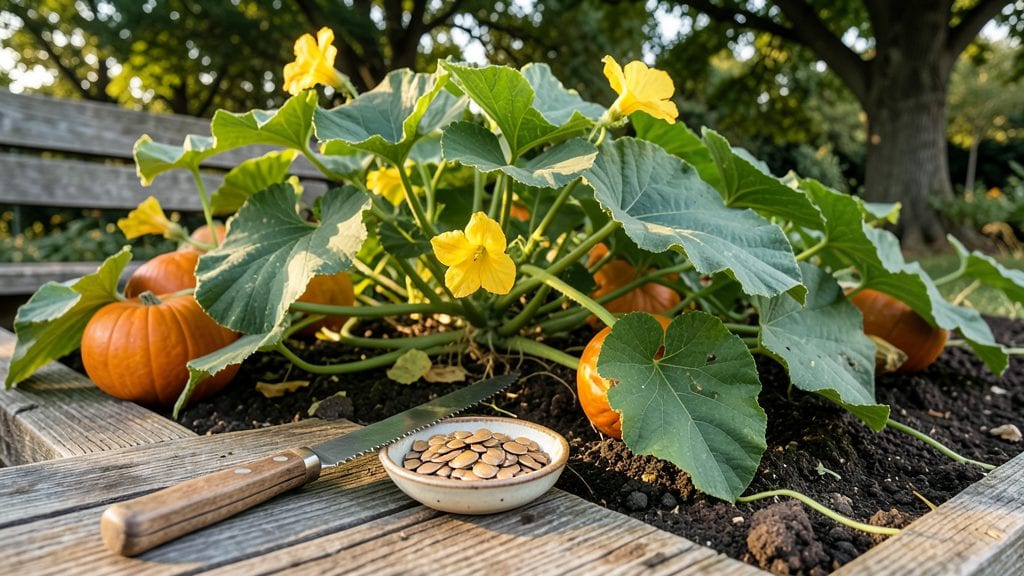
Chickens can eat pumpkin guts and seeds safely in moderation, as they provide fiber, vitamins, and minerals. However, feed only fresh, organic pumpkin—avoid salted, sugared, or moldy pieces—and remove any seeds from cooked pumpkin to prevent cyanide risks from raw seed coatings.
Pumpkin isn't just safe for chickens—it's a nutritional powerhouse when served correctly.
The fleshy parts offer vitamin A for vision and fiber for digestion, while raw seeds contain healthy fats and zinc. 🌟 I've seen backyard flocks thrive when given 1-2 tablespoons per chicken as a treat, but always remove the stringy pulp first to avoid choking hazards.
The key is balance: while pumpkin makes a great supplement, it shouldn't replace their regular feed entirely.
What's surprising is how versatile pumpkin can be in their diet. You can serve it raw or lightly cooked—just avoid seasonings like salt or spices. I've even used leftover pumpkin puree from baking (unsweetened, of course) as a moist treat.
The seeds, when fed raw and in small quantities, provide extra protein, but cooked seeds lose some benefits. Always introduce new foods gradually to monitor your flock's reaction.
💡 In This Article
- Nutritional Value of Pumpkin Guts and Seeds for Chickens
- Safe Pumpkin Feeding Practices for Backyard Chickens
Nutritional value of pumpkin guts and seeds for chickens
Pumpkin's fleshy interior packs a nutritional punch for chickens, offering vitamin A in concentrations up to 10,000 IU per cup—that's nearly 200% of a chicken's daily requirement! This fat-soluble vitamin supports vision, immune function, and feather health, making it especially valuable during molting seasons.
The orange flesh also contains vitamin C (about 11 mg per cup) and vitamin K (critical for blood clotting), which work together to strengthen their overall health.
The fiber content—around 3 grams per cup—acts like a natural broom for their digestive systems, preventing crop impactions and promoting regular bowel movements.
This is particularly beneficial for older hens or those prone to digestive issues. 🌟 The seeds add another layer of nutrition with magnesium (supports muscle function) and zinc (boosts immunity), though they should only be given raw and in moderation due to their higher fat content.
When comparing pumpkin to commercial chicken feed, you'll find it's a natural source of many missing nutrients. A typical layer feed contains about 0.5% calcium and minimal vitamin A, while pumpkin provides both without artificial additives.
The potassium content (about 564 mg per cup) helps maintain proper electrolyte balance, which is crucial for active hens. This makes pumpkin an excellent supplement, especially during stress periods like extreme weather or egg production peaks.
What most people overlook is how pumpkin supports egg production. The combination of beta-carotene (converted to vitamin A) and biotin in pumpkin flesh helps maintain strong eggshells and yolks. I've noticed flocks given pumpkin regularly produce eggs with richer yolks and fewer shell defects.
The key is serving it fresh—canned pumpkin often contains added sugars or preservatives that can upset their digestive systems.
For maximum benefits, serve the fleshy parts raw or lightly steamed to preserve nutrients. The seeds, when fed raw and shelled, provide extra protein (about 19% by weight), but cooked seeds lose some of their nutritional value.
Always introduce pumpkin gradually to avoid digestive upset, starting with 1 tablespoon per chicken and monitoring their droppings for consistency.
The fiber in pumpkin works like a natural prebiotic, promoting beneficial gut bacteria that improve nutrient absorption.
This is why chickens often show increased energy and better feather quality when pumpkin is part of their diet. 💫 The seeds' healthy fats also support skin health, reducing issues like mites and scaly leg mites by strengthening their natural defenses.