
Vegetables
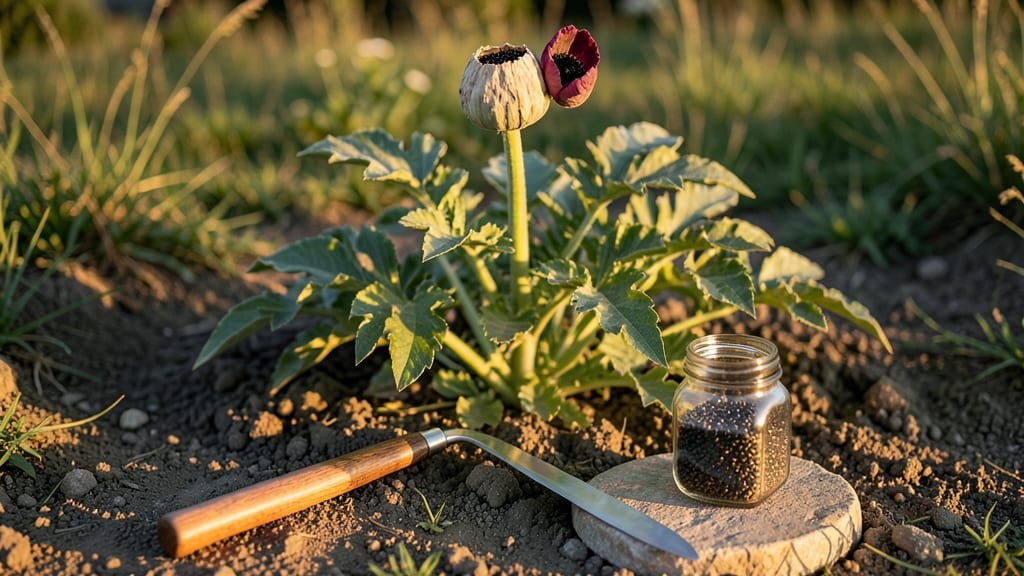
Can chickens have poppy seeds? Yes, chickens can have poppy seeds in moderation, as they’re non-toxic and provide small amounts of calcium and fiber, but avoid large quantities to prevent digestive upset or potential opioid compound exposure from the seeds' natural alkaloids.
Poppy seeds are generally safe for chickens in small amounts, offering trace minerals like calcium that support their bone health.
However, the seeds contain natural alkaloids—like morphine—that could cause issues if consumed in excess. 🌱 I recommend treating poppy seeds as an occasional treat rather than a staple, especially for free-range birds that may already have varied diets. Always introduce new foods gradually to monitor your flock's reaction.
For a safer, more consistent option, consider alternatives like sunflower or flaxseeds, which provide similar nutritional benefits without the same risks. These seeds are easier to digest and can be mixed into their regular feed without worry.
If you're unsure about portion sizes, start with just a pinch per bird and observe their energy levels and droppings for any changes.
💡 In This Article
- Poppy Seeds and Chicken Health: Nutritional Pros and Cons
- Safe Poppy Seed Alternatives for Chickens
Poppy seeds and chicken health: nutritional pros and cons
Poppy seeds pack a nutritional punch for chickens, offering calcium (about 120mg per tablespoon) and fiber (around 2 grams per tablespoon) that support bone density and digestion. The seeds also contain trace amounts of magnesium and iron, which contribute to overall flock vitality.
However, their real concern lies in the natural alkaloids they contain—primarily morphine and codeine—which exist in trace amounts but could accumulate in a chicken's system if consumed in large quantities over time.
The risk isn't just about the alkaloids themselves, but how they interact with a chicken's digestive system. Whole poppy seeds pass through relatively intact, but when ground or cracked (like in poppy seed cakes or baked goods), the alkaloids become more bioavailable—meaning they're absorbed more easily.
This is why processed poppy products pose a higher risk than whole seeds. 💫 For example, a single tablespoon of ground poppy seeds contains roughly 0.05mg of morphine, which is safe for humans but could cause mild digestive upset or lethargy in chickens if fed daily.
Digestive sensitivity is another critical factor. Chickens have delicate gut microbiomes, and introducing new foods—especially fibrous or fatty ones like poppy seeds—can disrupt their balance. Signs of digestive upset include loose droppings, reduced egg production, or lethargy.
To mitigate this, always offer poppy seeds as an occasional treat (no more than 1 teaspoon per chicken per week) and pair them with easily digestible foods like cooked rice or oats to buffer their effects.
Processing poppy seeds also affects their safety profile. Roasting or baking can reduce some alkaloid levels by breaking down compounds through heat, but it doesn’t eliminate them entirely. For instance, lightly roasted poppy seeds retain about 60-70% of their original alkaloid content, while raw seeds contain nearly 100%.
If you’re using poppy seeds in homemade treats for your flock, opt for minimal processing—like toasting—to balance flavor and safety.
Here’s what most chicken keepers overlook: the cumulative effect. While a single serving of poppy seeds is unlikely to harm a healthy chicken, daily exposure—even in small amounts—can lead to subtle health issues over time.
Think of it like caffeine for humans: a cup of coffee is fine, but gallons would be dangerous. 🔥 The key is moderation and observation.
If your chickens show signs of drowsiness or digestive discomfort after eating poppy seeds, discontinue use immediately and switch to safer alternatives like sunflower or flaxseeds.
For those who love baking with poppy seeds, consider making small batches of treats specifically for your chickens. A simple mix of 1 part poppy seeds, 2 parts oats, and 1 part grated apple creates a balanced snack that’s lower in risk than store-bought baked goods.
Always remember: when in doubt, consult your vet about portion sizes tailored to your flock’s age, breed, and health status.