
Vegetables
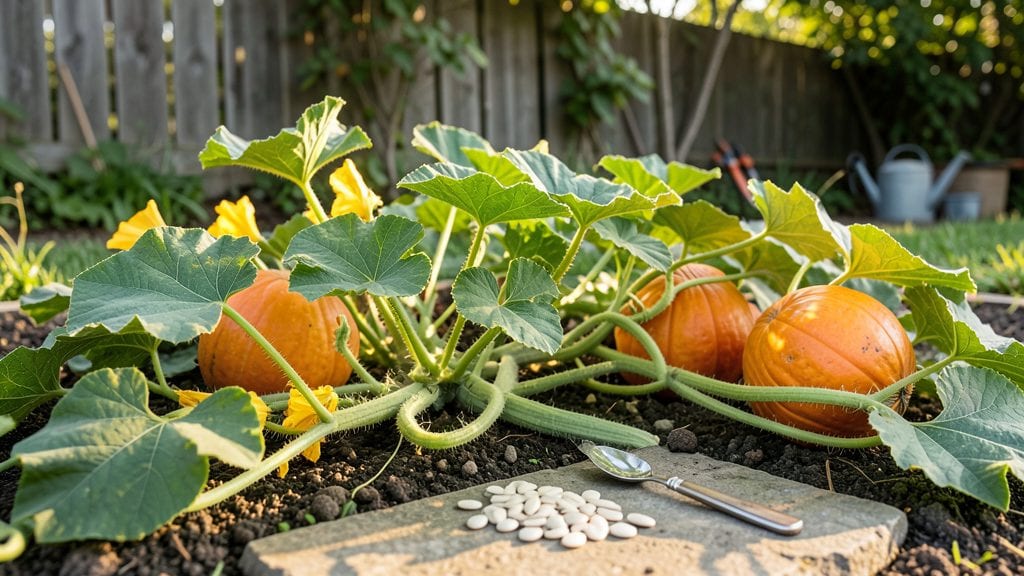
Raw pumpkin seeds offer chickens a protein boost and healthy fats, but their benefits come with risks. 🔥 The shells pose choking hazards, while wild varieties may contain cyanogenic glycosides—natural toxins that can cause digestive upset.
Store-bought seeds (like those from grocery stores) are generally safer, but always remove shells and limit portions to 1-2 seeds per chicken weekly. Overfeeding can lead to diarrhea or lethargy, so treat them as an occasional snack rather than a staple.
For extra safety, consider lightly cooking the seeds or offering pumpkin flesh instead—both are gentler on digestion while still providing nutritional value. Always introduce new treats gradually to monitor your flock's reaction.
💡 In This Article
- Pumpkin Seed Nutrition for Chickens: Benefits and Risks
- Safe Feeding Guidelines for Chickens and Pumpkin Seeds
Pumpkin seed nutrition for chickens: benefits and risks
Raw pumpkin seeds pack a nutritional punch for chickens, offering 25-30% protein by weight—similar to what you'd find in a high-quality chicken feed. They're also rich in healthy fats (40-50% of their caloric content), which support feather health and energy levels, especially during molting seasons.
The mineral profile includes magnesium (376mg per 100g), zinc (8.7mg), and copper (1.6mg), all essential for bone development and immune function.
What's fascinating is how these seeds compare to commercial treats: a single 1-gram serving provides nearly 20% of a chicken's daily zinc requirement, a mineral critical for wound healing.
The risks come from two main sources: the hard outer shells and potential contaminants. The shells contain cyanogenic glycosides in wild varieties (like those from unprocessed pumpkin vines), which can release toxic cyanide when chewed—though store-bought seeds are typically processed to remove these compounds.
Even safe seeds contain phytic acid (an anti-nutrient that binds minerals), which can reduce absorption if fed in excess. The texture contrast is striking: while the soft inner seed is easily digestible, the shell's 3.5mm thickness makes it a choking hazard for small chickens. 🔥
Here's what separates safe from unsafe seeds: store-bought seeds (like those in the baking aisle) undergo cleaning and drying processes that remove most contaminants, while seeds harvested from garden pumpkins may retain higher moisture levels and potential mold risks.
The key difference lies in moisture content—safe seeds should have less than 5% moisture, while fresh garden seeds can exceed 10%, creating ideal conditions for mold growth. Always opt for seeds labeled "raw, unsalted, and shelled" to minimize risks.
For maximum benefit, consider this feeding hierarchy: 1-2 shelled seeds per chicken, 1-2 times per week constitutes a safe treat. The protein-to-fat ratio makes them ideal for broilers gaining weight, but layers should receive them in smaller quantities to avoid affecting egg production.
What most keepers overlook is the calcium-to-phosphorus ratio (1:3) in seeds—while beneficial, it shouldn't replace balanced calcium sources like oyster shell. 💫
Wild pumpkin seeds present the highest risk due to their natural toxin content. These seeds contain 0.01-0.05% cyanogenic glycosides by weight, which can cause respiratory distress if ingested in large quantities. The toxin breaks down into cyanide when chewed, affecting oxygen transport in chickens' systems.
Even processed seeds may retain trace amounts, so always source from reputable suppliers. The visual difference is stark: safe seeds have a uniform tan color, while wild seeds often show greenish or brownish streaks from incomplete processing.
The phytic acid in seeds binds essential minerals like zinc and iron, potentially reducing their bioavailability by up to 60% if fed in excess. This anti-nutrient effect is why moderation is critical—while the minerals are present, their absorption becomes less efficient at higher intake levels.
The good news? Lightly toasting seeds (350°F for 5-7 minutes) can reduce phytic acid by 30-50%, making the nutrients more accessible to your flock. This simple step transforms a potential risk into a safer, more nutritious treat. ✨