
Featured
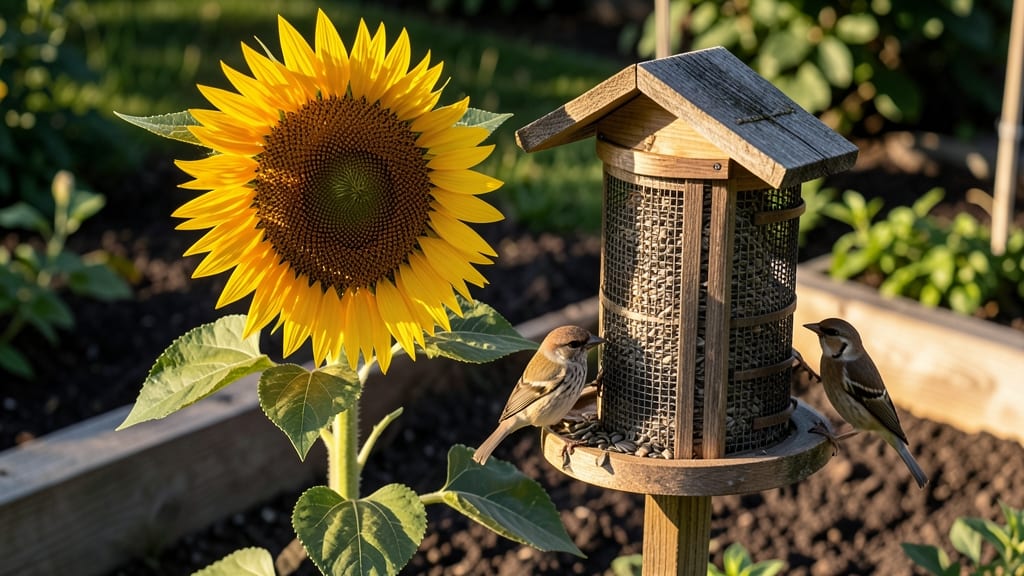
Finches can eat sunflower seeds safely, especially hulled varieties, as they provide essential fats and proteins. Unshelled seeds may pose a choking hazard, while black oil sunflower seeds are a preferred treat for many species like American goldfinches and house finches.
Sunflower seeds are a finch favorite because they pack a nutritional punch with healthy fats and protein—perfect for maintaining energy levels in these active birds. 🔥 Hulled seeds remove the hard shell, reducing choking risks while keeping the nutrient-rich kernel intact.
I’ve noticed that black oil seeds, in particular, are a magnet for finches, often drawing them away from other feeders. The key is moderation: while these seeds are beneficial, they should complement—not replace—a balanced diet of seeds, fruits, and insects.
For best results, offer seeds in small amounts daily, using platform feeders to prevent shell buildup. Ground feeding can work too, but monitor for waste or spoilage. Introduce new seeds gradually to avoid upsetting their digestive systems. This approach keeps your finches happy and healthy while minimizing risks.
💡 In This Article
- Nutritional Benefits of Sunflower Seeds for Finches
- Safe Sunflower Seed Feeding Tips for Finches
Nutritional benefits of sunflower seeds for finches
Sunflower seeds deliver a powerhouse of nutrition for finches, particularly through their high fat and protein content. A single 100-gram serving of hulled sunflower seeds contains roughly 21 grams of protein and 45 grams of fat, with the majority being unsaturated fats that support feather health and energy metabolism.
The vitamin E content—about 34% of the daily recommended intake—acts as a natural antioxidant, protecting finch cells from oxidative stress caused by their active lifestyles. This is especially critical for species like American goldfinches, which migrate long distances and require sustained energy reserves.
The fat profile of sunflower seeds is particularly beneficial, with roughly 60% polyunsaturated fats (including omega-6 fatty acids) and 30% monounsaturated fats. These fats help maintain plumage quality and support the finch's high metabolic rate.
Hulled seeds provide these nutrients without the hard shell, making them easier to digest while preserving the kernel's nutritional integrity. The texture of hulled seeds is softer and more manageable for finches, reducing the risk of beak injuries or digestive blockages that can occur with unshelled varieties. 🔥
Black oil sunflower seeds take this nutritional profile a step further by offering a higher oil content—up to 45% by weight—which translates to more concentrated energy. This makes them a favorite among wild finches, particularly during breeding season when protein demands peak.
The seeds' small size and high caloric density allow finches to consume them quickly, supporting their need for rapid energy turnover. However, the trade-off is their higher fat content, which should be balanced with other dietary components like fresh fruits or insects to prevent obesity in captive finches.
Unshelled seeds, while nutritious, present challenges due to their hard outer shell, which can be difficult for finches to crack open. The shell itself contains minimal nutrition and adds bulk without benefit, potentially leading to waste or even digestive issues if consumed in large quantities.
For finches with smaller beaks, like the house finch, the shell can pose a choking hazard or cause beak strain. This is why bird enthusiasts often opt for pre-hulled seeds, ensuring the finch receives maximum nutritional value with minimal effort. 🌟
Beyond macronutrients, sunflower seeds contribute essential minerals like magnesium (10% daily value) and phosphorus (20% daily value), which support bone health and muscle function.
The seeds' natural oils also aid in feather maintenance, reducing the risk of brittle or dull plumage—a common issue in captive birds with limited dietary variety.
When incorporated into a balanced diet, sunflower seeds can significantly enhance a finch's overall health, particularly during molting or nesting periods when nutritional demands are highest.
What many finch keepers don't realize is that the way seeds are processed affects their nutritional delivery. Roasted seeds, for example, retain their fat content but may lose some vitamin E due to oxidation during processing.
Raw or lightly toasted seeds preserve the full spectrum of nutrients, making them the ideal choice for finches. Offering a mix of hulled and black oil seeds can provide both energy and protein in a single serving, catering to the finch's varied dietary needs throughout the day. ✨