Companion Plants
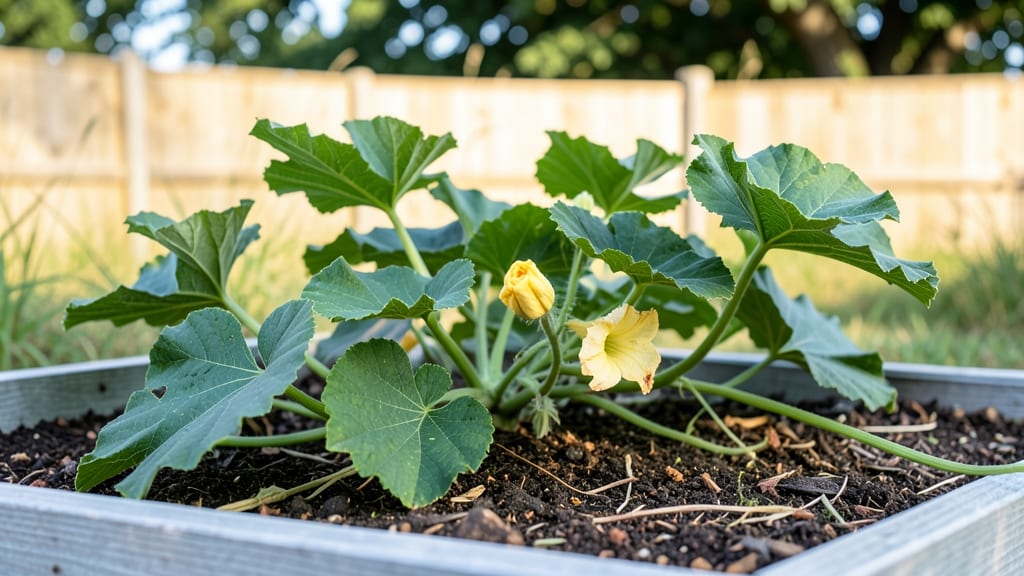
Planting pumpkin seeds in October can work if you choose the right variety and prepare the soil carefully 🎃 — it’s not as risky as most gardeners assume.
Wondering if October is too late? The answer depends on your climate and the pumpkin type. Some varieties, like 'Jack Be Little,' mature in just 75 days, leaving enough time for a fall harvest before frost.
Others need warmer soil, making October planting a gamble unless you take extra steps.
Regions like USDA Zone 6a face shorter growing seasons, so timing is everything. A cold frame or row cover can buy you critical weeks, while starting seeds indoors gives you an edge. Even if the soil is cool, the right approach can turn late planting into a successful harvest.
Below, I’ll break down the best cold-hardy pumpkin varieties, step-by-step planting tips for October, and how to protect your seedlings from early frost. With the right strategy, you can still grow a pumpkin patch—even when the calendar says "fall."
Best pumpkin varieties for October planting: cold-hardy options
Planting pumpkins in October might seem risky, but cold-hardy varieties can thrive in cooler soil temperatures. Unlike traditional summer pumpkins, these varieties mature faster and tolerate mild frost better. The key is choosing the right pumpkin type that aligns with your last frost dates and growing season length.
Most gardeners plant pumpkins in spring or early summer, but October planting is possible if you select fast-maturing, frost-tolerant varieties. These pumpkins often have shorter days to maturity (as few as 75-90 days) and can handle cooler soil temperatures.
The trade-off? You’ll need to protect young plants from early frosts and ensure they get enough sunlight during shorter days.
Jack Be Little is a top choice for October planting—it matures in just 75 days and produces mini pumpkins perfect for pies or decorations. Another great option is Cinderella, a pie pumpkin variety that thrives in cooler weather and matures in 85-90 days. For those in USDA Zones 3-5, Sugar Pie is a reliable pick, offering sweet, dense flesh and frost tolerance.
Why do these varieties work in fall? They’ve been bred to handle cooler soil temperatures (as low as 50°F) and shorter daylight hours. Traditional giant pumpkins, like Atlantic Giant, need 120+ days and warm soil, making them poor candidates for October planting. Instead, focus on mini or pie pumpkins—they’re your best bet for a fall harvest.
Here’s how these cold-hardy varieties compare to traditional summer pumpkins:
Cold-hardy varieties:
- Mature in 75-90 days
- Tolerate cooler soil (down to 50°F)
- Smaller size (2-8 lbs)
- Often disease-resistant
Summer varieties:
- Mature in 100-120 days
- Need warmer soil (65°F+)
- Larger size (10-30 lbs)
- More vulnerable to early frost
If you’re in Zone 4 or colder, prioritize fast-maturing varieties like Autumn Gold or Waltham Butternut. These can handle brief chills and still produce edible, high-quality fruit.
Always check your local frost dates—planting in late October might leave your pumpkins vulnerable if frost arrives before harvest.
For maximum success, pair your October planting with protective measures. Use row covers or cold frames to shield seedlings from light frosts. Mulch heavily with straw or leaves to insulate roots. Even with these steps, expect a smaller yield than spring planting—focus on quality over quantity.
One critical mistake is assuming all pumpkins are created equal. Giant varieties like Howden or Mammoth Melon won’t make it through fall planting—they need longer, warmer seasons.
Stick to compact, cold-tolerant types for October success. If you’re unsure, start with 3-4 seeds of a fast-maturing variety and monitor growth closely.
Remember, October planting isn’t about big pumpkins—it’s about strategic, small-scale harvests. With the right variety selection and protective care, you can enjoy homegrown pumpkins even when the weather turns cooler. Just don’t expect jack-o’-lantern-sized results—opt for flavor and frost resilience instead.
🎃