Propagation
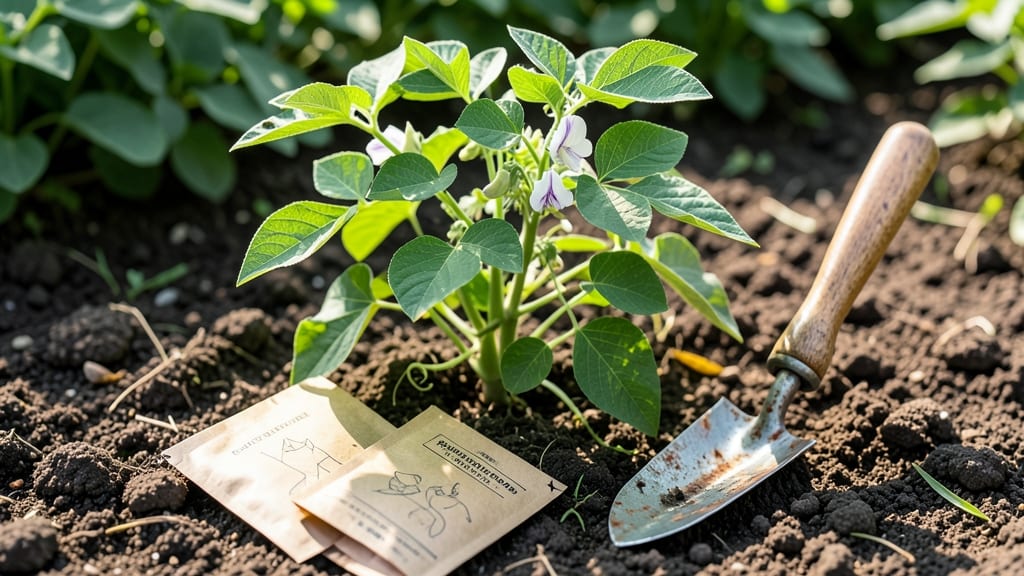
Yes, seeds can reproduce by germinating into new plants when given the right conditions—proper moisture, warmth, and light—but many seeds fail to sprout due to natural dormancy, physical damage, or poor storage. While most seeds rely on this process, some plants also reproduce asexually through vegetative growth, though true seed reproduction depends on inheriting traits from parent plants.
Seeds trigger growth through a fascinating biological process called germination, where enzymes activate to break down stored nutrients and a tiny root (radicle) emerges first. 🌱 This process kicks into high gear when seeds absorb water, but temperature and light act as critical regulators—some seeds need warmth to wake up, while others require darkness.
The timing varies wildly: fast germinators like radishes sprout in days, while stubborn seeds like some fruit trees may take months or even years to break dormancy naturally.
Even under perfect conditions, not all seeds will succeed. Many gardeners struggle with low germination rates because of improper storage—exposing seeds to extreme heat or moisture can kill them before they ever get a chance to sprout.
That's why I always recommend storing seeds in cool, dry places and testing their viability before planting. For tough seeds, techniques like scarification (scratching the seed coat) or stratification (simulating winter conditions) can trick them into thinking it's finally time to grow.
💡 In This Article
- Seed Germination Science: How Nature Triggers Plant Growth
- Common Barriers to Seed Reproduction in Gardens
Seed germination science: how nature triggers plant growth
Germination begins when a seed absorbs water, activating enzymes that break down stored nutrients like starches and proteins into simple sugars and amino acids. This process, called imbibition, swells the seed and triggers metabolic activity.
The radicle—the embryonic root—emerges first, typically within 24-72 hours for fast-germinating seeds like lettuce, while slower seeds like peanuts may take 10-14 days. This root anchors the seedling and begins absorbing water and minerals from the soil.
The next stage involves the hypocotyl, a hook-shaped stem that pushes upward through the soil. This structure contains the shoot apical meristem, which will develop into leaves. Light plays a critical role here: some seeds (like sunflowers) need sunlight to grow upward, while others (like tomatoes) germinate better in darkness.
Temperature also matters—most seeds germinate best between 60-85°F, but cold-weather plants like cabbage thrive at cooler 50-65°F ranges. The seed's internal clock, controlled by hormones like gibberellins and abscisic acid, regulates these processes.
Dormancy is nature's way of timing germination for survival. Many seeds release chemicals that inhibit growth until conditions are perfect. For example, apple seeds contain cyanogenic glycosides that prevent sprouting until the seed passes through an animal's digestive tract.
Other seeds require physical changes: scarification (scratching the seed coat) or stratification (exposing seeds to cold, moist conditions) mimics natural weathering, breaking dormancy. This explains why some seeds sprout only after a forest fire or winter freeze.
Genetics determine how seeds respond to these triggers. A single parent plant might produce seeds with varying dormancy periods—some may sprout immediately, while others wait years. This diversity ensures survival in unpredictable environments.
For gardeners, understanding these mechanisms means choosing the right germination methods: soaking seeds, using heat mats, or planting at specific depths to replicate natural conditions. The key is matching the seed's evolutionary adaptations to your growing environment.
Here's what's actually happening at the cellular level: water activates enzymes that degrade the seed's endosperm (stored food), releasing energy for growth. The radicle's emergence is driven by cell elongation in the root tip, while the hypocotyl's upward push creates the familiar "hook" shape that protects the delicate shoot.
This dual motion is powered by auxin, a plant hormone that coordinates growth direction. 💫 The entire process is a perfect balance of chemistry, physics, and genetics working in harmony.