Mower
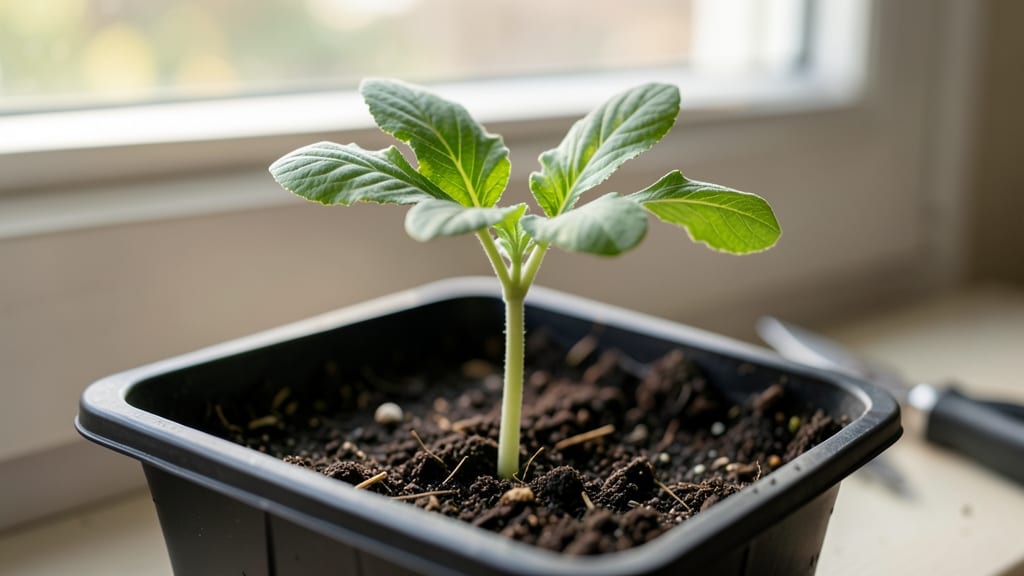
Seedlings bent over can feel like a death sentence, but I’ve straightened dozens of them back to standing strong with these five simple fixes. 🌱 The first step is always identifying why they’re leaning—whether it’s a stretch for light, a fungal attack, or just too much crowding—and then acting fast before the damage gets permanent.
Most of the time, it’s one of three culprits: leggy growth from weak light, damping-off from overwatered soil, or pests like slugs nibbling at the stems. I’ve found that proper spacing—2-3 inches apart—and a south-facing windowsill or grow light can prevent 80% of these issues before they start.
If you catch it early, a gentle stake or toothpick can prop them up while they recover.
You’ll see them perk up within 24-48 hours if you address the root cause—whether that’s thinning the seedlings, improving drainage, or setting up a barrier for pests. The key is acting before the stem gets too weak to straighten, because once it’s permanently bent, even the best supports won’t help.
Think of it like physical therapy for plants.
For the ones that don’t make it, don’t waste time or soil trying to revive them—just pull and replant. The seedlings that do straighten will reward you with stronger stems and better survival rates once transplanted. Here’s how to tell which ones are worth saving and which to let go.
The Hidden Causes Behind Weak Seedlings
When your seedling leans over like it’s bowing to gravity, it’s rarely just a random quirk of nature. 🌱💨 Behind every droopy sprout is a specific stressor—some subtle, some obvious—that’s pushing it off-balance. Understanding these triggers is the first step to correcting the issue without harming your young plant.
Let’s break down the science behind why seedlings topple over, so you can diagnose and fix the problem with confidence.
A seedling that’s cramped for space will stretch and lean toward light sources, often bending over in search of sunlight. This happens because:
- Competition for light: In dense seed trays or crowded soil, seedlings grow taller and thinner (a phenomenon called etiolation) to reach light, weakening their stems and causing them to flop.
- Root restriction: Roots tangled in a small container or overpacked soil can’t anchor the plant properly, making it top-heavy and prone to bending.
- Nutrient depletion: Overcrowded seedlings exhaust soil nutrients faster, leading to weak stems that can’t support upright growth.
Actionable fix: Thin seedlings early to leave 1–2 inches between plants (or follow species-specific spacing guidelines). Use larger containers or transplant seedlings into individual pots to give roots room to stabilize.
Seedlings are light-hungry, and when one side gets more exposure than the other, they’ll grow toward the light—often bending at the base or mid-stem. This is called phototropism, and it’s their survival instinct. Common culprits:
- Window placement: If your seed tray sits near a south-facing window, seedlings may lean toward the glass, stretching toward direct sunlight.
- Artificial light imbalance: Grow lights positioned too close or unevenly can create "hot spots," causing seedlings to tilt toward the brighter side.
- Shade from nearby plants: Taller seedlings or nearby foliage can block light, forcing smaller ones to stretch and bend.
Actionable fix:
- Rotate trays quarter-turn daily to ensure even light exposure.
- Use reflective surfaces (like aluminum foil on tray sides) to bounce light to shaded areas.
- Adjust grow lights to 12–16 inches above seedlings and ensure they cover the entire tray uniformly.
Water plays a critical role in stem strength, and imbalances can lead to floppy, bent seedlings. Here’s how:
- Overwatering: Soggy soil deprives roots of oxygen, causing anaerobic conditions that weaken cell walls. The stem becomes waterlogged and mushy, unable to hold its own weight.
- Underwatering: Dry soil creates osmotic stress, forcing seedlings to divert energy to survival instead of structural growth. Stems stay stiff but brittle, snapping or bending under their own weight.
- Inconsistent moisture: Fluctuating water levels stress roots, leading to uneven growth—often causing seedlings to lean toward the "wet" side of the soil.
Actionable fix:
- Water at the base only (avoid overhead spraying to prevent fungal issues).
- Use well-draining soil (e.g., a mix of peat, perlite, and vermiculite) to prevent waterlogging.
- Check soil moisture with your finger—top inch should be dry before watering again.
Seedlings are delicate, and even gentle breezes or accidental bumps can cause them to bend or break. Here’s how environmental factors contribute:
- Drafts or airflow: Open windows, fans, or air conditioning vents can create uneven pressure, pushing seedlings sideways over time.
- Handling damage: Rough transplanting or brushing against seedlings can bruise stems, causing them to weaken and bend unnaturally.
- Heavy leaves or debris: Rain, dust, or even a dropped tool can weigh down a seedling, forcing it to bend under the load.
Actionable fix:
- Place seedlings in a low-traffic, sheltered area (e.g., away from open windows or high foot traffic).
- Use a small mesh screen as a windbreak if growing near drafts.
- Handle seedlings by the leaves, not the stem, and avoid touching them unnecessarily.
A seedling’s stem strength depends on proper nutrients, particularly those that support cell wall integrity. Deficiencies in key elements can lead to weak, bend-prone growth:
- Low nitrogen (N): While too much nitrogen causes leggy growth, too little stunts cell division, leading to thin, weak stems that can’t support upright posture.
- Calcium deficiency: Calcium is essential for cell wall rigidity. Without enough (often due to poor soil pH or waterlogged conditions), stems become soft and prone to bending.
- Phosphorus or potassium shortages: These nutrients aid in energy transfer and structural support. A lack of them can result in flaccid, easily damaged seedlings.
Actionable fix:
- Use a balanced fertilizer (e.g., 10-10-10) at half-strength when seedlings emerge.
- Test soil pH—aim for 6.0–7.0 for most seedlings (calcium absorbs best in this range).
- Add crushed eggshells or lime to soil for a calcium boost if deficiency is suspected.
Quick Fixes for a Leaning Seedling
A bent-over seedling can feel like a heartbreaking setback, but the good news is that most cases can be corrected with gentle care and the right techniques.
Below, we’ve mapped out practical solutions for the most common causes of a leaning seedling—whether it’s wind damage, poor support, or environmental stress—along with prevention tips to keep future seedlings strong and straight.
If your seedling is bent from wind, rain, or accidental bumps, act fast to prevent permanent damage.
🔥 Gently Straighten It 1. Wait for dry conditions – If the soil is wet, bending the stem can snap it. Let it dry for a few hours. 2. Use your fingers (not force!) – Grip the stem just above the soil line and slowly guide it upright.
Think of it like adjusting a wobbly tower—no yanking! 3. Secure with a stake or toothpick – Insert a thin bamboo stake, chopstick, or even a bent paperclip next to the seedling and gently tie it with a soft strip of fabric or twist tie.
Avoid wire—it can cut the stem.
🌡️ Speed Up Recovery
- Mist lightly – Helps the plant retain moisture while it adjusts.
- Avoid direct sun – Place it in partial shade for 24–48 hours to reduce stress.
💡 Prevention Tip:
Plant seedlings in sheltered spots (like near a fence or under a cloche) or use mesh windbreaks in exposed areas. For delicate plants, pre-bend the stem slightly before planting to encourage natural flexibility.
If the seedling is leaning because it’s competing for space or lacks structural support, these steps will help it stand tall.
🍳 Loosen the Soil Gently 1. Check for root binding – If the seedling was planted too deep or the soil is compacted, the roots may struggle to anchor it.
- Tease the roots – Use a wooden stick or your fingers to loosen the soil around the base without disturbing the roots too much.
- Repot if needed – If the seedling is in a crowded tray, transfer it to its own pot with fresh, well-draining soil.
👨🍳 Add Support Early
- Use a spiral tie or cloth strip – Wrap it loosely around the stem and stake to avoid constriction as the plant grows.
- Try a DIY support – For larger seedlings, weave a small cage from bent wire or use a plastic bottle cut in half as a collar.
✨ Prevention Tip:
- Space seedlings properly – Follow the seed packet’s guidelines for depth and distance between plants.
- Use lightweight potting mix – Avoid heavy soils that can weigh down young stems.
If the seedling is bending toward light (etiolation) or wilting from heat/cold, adjust its environment to encourage upright growth.
🔪 Reposition for Even Light 1. Rotate the pot daily – If the seedling is stretching toward a window, turn it ¼ turn each day to promote even growth.
- Move to a brighter (but indirect) spot – Too little light causes leggy growth, but direct sun can scorch. A south-facing window with sheer curtains works well.
- Add a grow light – If natural light is insufficient, a basic LED grow bulb (12–16 hours/day) can prevent weak stems.
🥘 Adjust Temperature & Humidity
- Keep it warm (but not hot) – Ideal temps are 65–75°F (18–24°C). Avoid drafts or radiators.
- Increase humidity – Place the pot on a tray of pebbles with water or use a humidity dome (remove once sprouts appear).
🎯 Prevention Tip:
- Start seeds indoors 4–6 weeks before the last frost for gradual acclimation.
- Use blackout grow tents if you’re growing from seed to control light exposure.
If the stem is permanently kinked (common with thick-stemmed plants like tomatoes or peppers), don’t despair—you can still salvage it.
🔥 The "Bend and Grow" Method 1. Gently bend the stem – If it’s not snapped, shape it into a gentle curve (like a question mark) and secure it with a stake. 2. Train it to grow upright – Over time, the plant will straighten as it matures.
Some varieties (like cucumbers) can even climb supports naturally. 3. Prune if necessary – If the bend is too sharp, snip just above a leaf node to encourage a new upright shoot.
💡 Prevention Tip:
For high-value plants, use a seedling heat mat to encourage strong, sturdy stems from the start.
Some plants (like wheatgrass, microgreens, or certain herbs) are supposed to grow low—don’t stress over minor bends! Focus on health over perfection. If the seedling is green, firm, and growing, it’s likely fine as-is.
Remember: Patience is key. Most seedlings self-correct within a week if given the right support. With these fixes, your bent seedling will be straight and thriving in no time! 🌱💪
Frequently asked questions
Why does my seedling keep bending over even after I straighten it?
The issue might be root-bound or nutrient-deficient. If roots are circling tightly in the pot, they can’t anchor properly. Try repotting into a slightly larger container with fresh, well-draining soil. Also check for calcium deficiency—add crushed eggshells or lime to the soil if stems feel soft or mushy.
Can I save a seedling that’s already permanently bent?
For thick-stemmed plants like tomatoes or peppers, try the "bend and grow" method: Gently reshape the stem into a gentle curve and secure it with a stake. Some plants will straighten as they mature. For delicate varieties, prune just above a leaf node to encourage new upright growth. If the stem is snapped, it’s best to start fresh.
How do I prevent seedlings from leaning toward the light?
Rotate your seed trays quarter-turn daily to ensure even light exposure. Use reflective surfaces (like aluminum foil) on tray sides to bounce light to shaded areas. If using grow lights, keep them 12–16 inches above seedlings and ensure uniform coverage. For window light, place trays on a turntable or rotate manually.
Is it okay if my seedling is bent but still green and growing?
Yes! Some plants like wheatgrass or microgreens naturally grow low. Focus on overall health—if the seedling is firm, green, and actively growing, it’s likely fine. Avoid stressing minor bends unless they’re affecting growth. For upright plants, provide support early to prevent permanent damage.
What’s the best DIY support for a wobbly seedling?
Use a toothpick, bamboo stake, or even a bent paperclip inserted next to the stem. Secure it loosely with a soft strip of fabric or twist tie—avoid wire or tight bindings that can cut the stem. For larger seedlings, try a small wire cage or a plastic bottle collar. Adjust supports as the plant grows.