
Advice
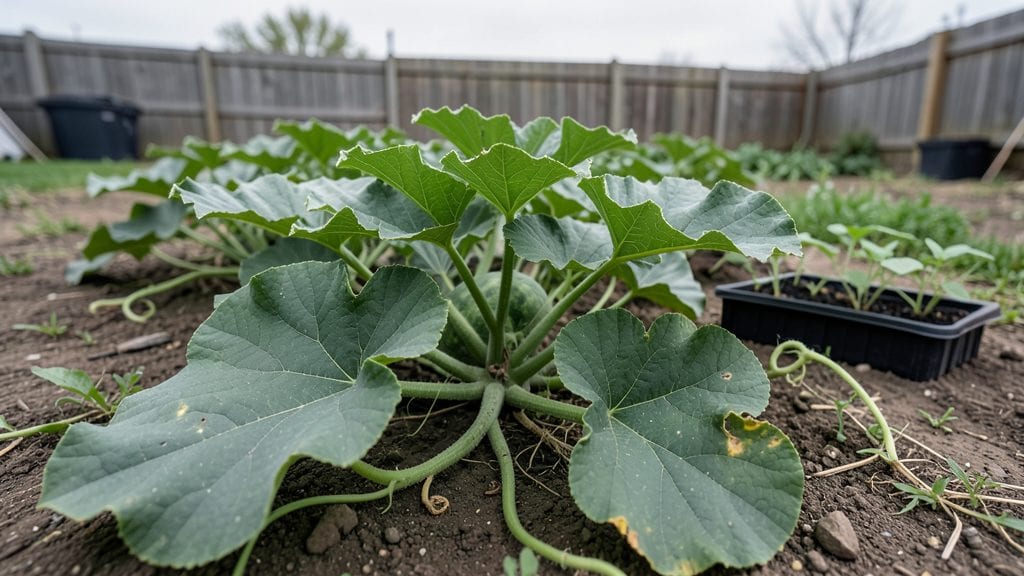
You can grow watermelons from the seeds inside store-bought fruit, but your success hinges on saving viable seeds, creating optimal germination conditions, and maintaining consistent care throughout the growing season.
Store-bought watermelon seeds often come from hybrid varieties, which means they may not produce fruit identical to the parent plant—but that doesn’t stop them from sprouting.
The key lies in selecting plump, flat seeds (the darkest ones), drying them completely for 3-5 days before storage, and planting them in soil that stays between 70-95°F for best results.
I’ve found that container gardening works surprisingly well for smaller varieties, as long as you provide sturdy trellising for those sprawling vines. 🌱
What’s fascinating is how quickly these seeds respond to warmth and moisture—some will even germinate in as few as 5-7 days under ideal conditions. However, patience is critical: watermelons need a long growing season (typically 70-90 days), so timing your planting after the last frost is non-negotiable.
My biggest lesson? Don’t rush the drying process—wet seeds rot before they ever get a chance to sprout.
💡 In This Article
- Watermelon Seed Germination Requirements Explained
- Step-by-Step Guide to Planting Watermelon Seeds
Watermelon seed germination requirements explained
Here's what's actually happening with those watermelon seeds: commercial varieties are often hybrids bred for sweetness and disease resistance, but their seeds may not produce identical fruit. The real magic happens when you select flat, dark seeds—these contain the highest concentration of viable embryos.
The germination process begins when seeds absorb moisture, triggering enzymes that break down stored nutrients in the seed coat. This biochemical reaction requires warmth, which is why soil temperatures between 70-95°F are critical for activation.
What most people don't realize is how delicate the moisture balance must be. Seeds need consistent dampness—not soggy conditions—to activate their metabolic processes. Think of it like a sponge: too little water and the enzymes can't work, but too much creates anaerobic conditions that suffocate the embryo.
I've seen seeds planted in 50°F soil sit for weeks without sprouting, while those in 85°F soil may emerge in just 5-7 days. The key is maintaining 60-70% soil moisture during germination, which feels like a wrung-out sponge to the touch.
The science behind this involves a hormone called gibberellin, which the seed produces in response to warmth and moisture. This hormone signals the seed to break dormancy by stimulating cell elongation in the embryonic root (radicle).
Light exposure plays a secondary role—watermelon seeds are photoblastic, meaning they need some light (not direct sun) to complete germination. This is why planting seeds 1/2 inch deep works best: shallow enough for light penetration but protected from drying winds.
Common pitfalls often come from impatience or environmental mismatches. Overwatering creates a suffocating environment where seeds rot before sprouting, while premature planting in cool soil leads to seeds that simply "sleep" until conditions improve.
I've learned the hard way that even after germination, seedlings need consistent warmth—dropping below 55°F at night can stunt growth entirely. This is why waiting until after your last frost date (when soil stays above 60°F for 24 hours) makes all the difference.
Here's a practical comparison: store-bought seeds from hybrid watermelons (like Crimson Sweet) may germinate at 85% viability, while heirloom varieties can reach 95%+. The difference comes from selective breeding—heirlooms are often open-pollinated, meaning their seeds produce true-to-type fruit.
When selecting seeds, look for the flattest ones with no cracks; these have the highest energy reserves for germination. Remember, the seed's outer shell isn't just protection—it contains enzymes that help kickstart growth when conditions are right.
One advanced tip I've picked up from gardeners in warmer climates: if you're planting in 90°F+ soil, reduce watering slightly during germination. The higher heat increases evaporation rates, and overwatering can actually inhibit root development. Instead, aim for soil that feels like a damp (not wet) kitchen sponge.
This balance is crucial because watermelon roots are sensitive to both drought and waterlogging—both extremes can kill seedlings before they reach 2 inches tall. 🌱