Flowers
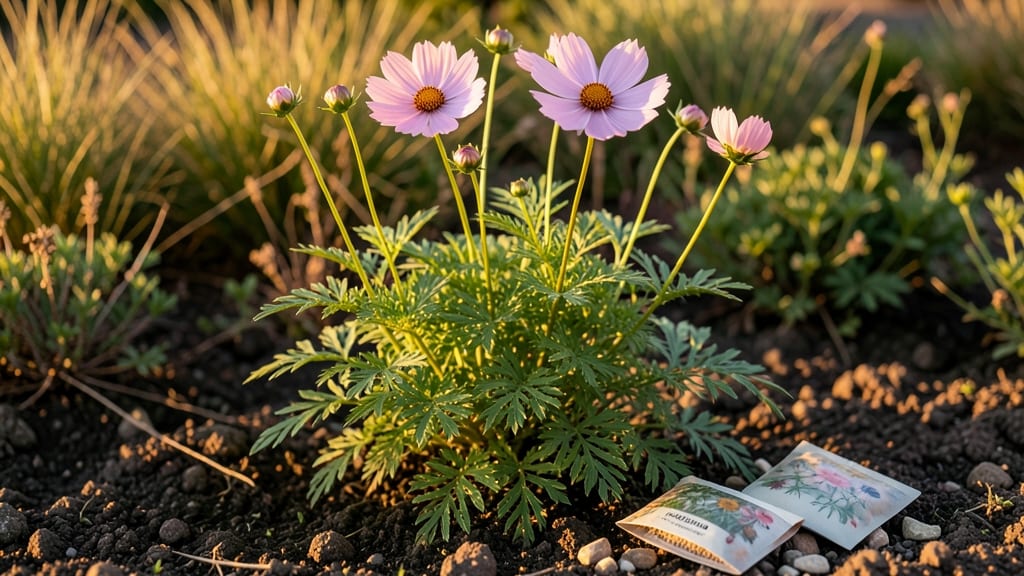
Wildflower seeds thrive when planted shallowly because most varieties rely on sunlight to trigger germination. 🌱 Unlike larger seeds, these tiny packets often need just a thin layer of soil or none at all—think of it like creating a cozy microclimate where moisture and warmth can work their magic.
I’ve found that planting in early spring or late fall gives seeds the best chance to establish roots before summer heat or winter frost sets in.
What’s fascinating is how different wildflower species have unique needs—some require scarification (like a light scratch on their outer shell) to break dormancy, while others benefit from a cold stratification period.
Always check the seed packet for specific instructions, as these details can make the difference between a thriving meadow and sparse blooms.
💡 In This Article
- Wildflower Seed Germination Requirements Explained
- Step-by-Step Guide to Planting Wildflower Seeds
Wildflower seed germination requirements explained
Wildflower seeds germinate best when exposed to specific conditions that mimic their natural habitats. Most species thrive in well-draining soil with a pH range of 6.0 to 7.5, though some native wildflowers adapt to slightly acidic or alkaline soils.
The key factor is moisture retention without waterlogging—seeds need consistent dampness (like a wrung-out sponge) to activate enzymes that break down stored nutrients. Temperature also matters: optimal germination occurs between 60°F and 75°F, though some mountain wildflowers tolerate cooler ranges (50°F).
Sunlight exposure triggers germination for many wildflowers through a process called photoblasty. Most seeds require 6-12 hours of direct sunlight daily to produce the energy needed for sprouting.
This is why shallow planting works—light penetrates the soil surface where seeds lie. 🌞 Deeper planting (over 1/4 inch) blocks this light, forcing seeds to rely on stored energy, which often leads to poor germination.
Some seeds, like those from desert wildflowers, may need full sun exposure (6+ hours) to avoid mold growth in damp conditions.
The depth at which you plant seeds dramatically affects sprouting rates. Tiny wildflower seeds (like those from cosmos or zinnias) often need no coverage—just pressing them into the soil surface ensures contact with moisture.
Larger seeds (such as black-eyed Susans) can tolerate 1/8 inch of soil, but anything deeper risks suffocation. The science here involves oxygen exchange: seeds respire through tiny pores, and burial compresses these openings, slowing or halting germination.
Some wildflower seeds require special treatments to break dormancy. Scarification (lightly scratching the seed coat) mimics natural wear from wind or digestion, while stratification (exposing seeds to cold, moist conditions for 4-8 weeks) mimics winter.
For example, bluebonnets need 60 days of cold stratification to germinate successfully. This explains why fall planting often yields better results—nature handles the stratification process automatically during winter months.
Soil texture plays a surprising role too. Sandy soils drain quickly, which can dry out seeds before germination, while clay soils may retain too much moisture, causing rot. The ideal medium is loamy soil—40% sand, 40% silt, and 20% clay—which balances drainage and moisture retention.
Adding a thin layer of organic mulch (like straw) after planting helps maintain consistent soil moisture without smothering seeds.
What most gardeners overlook is the role of microbial activity in the soil. Beneficial bacteria and fungi break down seed coats and provide nutrients during early growth. A healthy soil microbiome can increase germination rates by 20-30%.
This is why pre-planting soil amendments (like compost) boost success—even in poor-quality soil. 🌱 The right conditions don't just help seeds sprout; they create an ecosystem where young plants can thrive from day one.