Watering
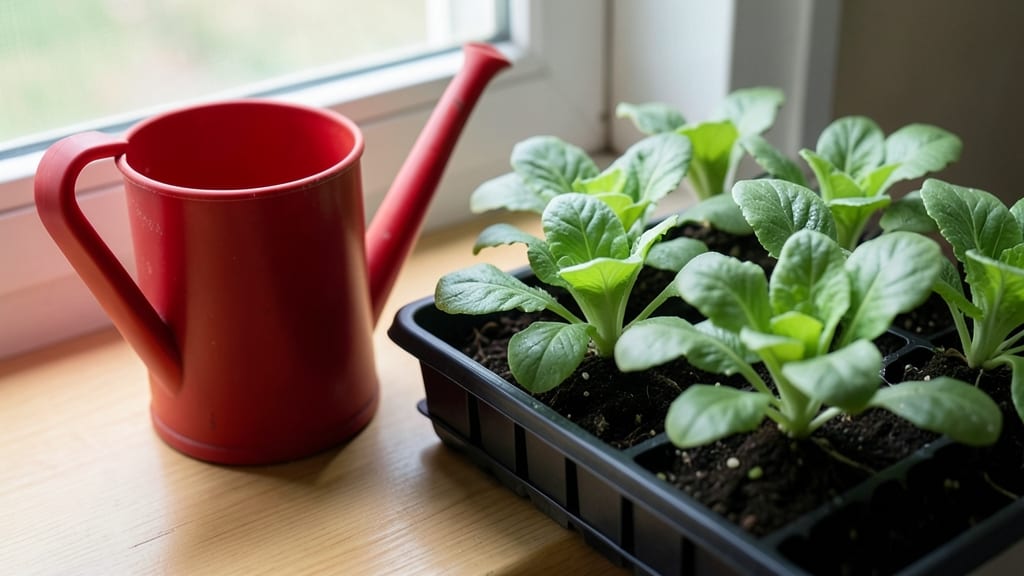
You can overwater seeds, and it often leads to rot, mold, or suffocation before they even sprout. Maintain barely moist soil—never soggy—and use gentle methods like spray bottles or bottom-watering to avoid excess moisture.
Seeds need just enough moisture to activate their germination process, but too much water creates an oxygen-starved environment that smothers them. 🌱 The ideal soil should feel like a damp sponge—not dripping or clinging when squeezed—so roots can breathe while absorbing hydration.
I’ve seen beginners drown seeds by watering daily, only to watch their trays develop foul-smelling mold instead of sprouts.
Even worse, overwatering breaks down seed coatings prematurely, triggering rot before the plant has a chance to establish itself. The key is patience: most seeds only need water when the top inch of soil feels dry to the touch.
For delicate varieties like lettuce or basil, I swear by the "bottom-watering" trick—placing trays in shallow water for 10 minutes lets roots drink without drowning the surface.
💡 In This Article
- How Overwatering Kills Seeds Before They Sprout
- Best Watering Techniques to Save Struggling Seeds
How overwatering kills seeds before they sprout
Here's what's actually happening when seeds drown: excess water displaces oxygen in the soil pores, suffocating embryonic roots before they can emerge. Seeds require 10-20% oxygen in their immediate environment to activate germination enzymes—anything beyond 30% moisture content in soil creates an anaerobic (oxygen-free) zone.
Think of it like trying to breathe through a wet sponge: the physical presence of water blocks air pathways essential for cellular respiration.
The damage compounds when fungal pathogens like Pythium or Rhizoctonia thrive in waterlogged conditions. These microbes attack seed coatings (often made of pectin or protein layers) within 24-48 hours, breaking them down chemically.
The seed's protective barrier dissolves, allowing harmful bacteria to invade the embryo. Visually, you'll see seeds turn mushy or develop fuzzy white growths—clear signs of fungal infection before any sprouts appear. 🌱
Water also disrupts the delicate enzyme activation process during germination. Enzymes like amylase and protease (which break down starches and proteins for energy) require precise moisture levels to function. Too much water dilutes these enzymes or creates pockets of stagnant liquid where they can't circulate properly.
The seed's energy reserves remain untapped, leaving it powerless to push through soil. For comparison, ideal germination moisture is about 50-60% soil water potential—similar to a wrung-out sponge's moisture level.
Even worse, prolonged saturation triggers anaerobic respiration in the seed itself. When oxygen is absent, seeds begin producing ethanol (like fermentation) as a byproduct, which is toxic to developing cells. This explains why overwatered seeds often smell slightly sweet or yeasty before rotting completely.
The process mirrors what happens to cut flowers left in standing water—they rot from the inside out.
Consider this: a single 1-inch-deep water layer in a seed tray can create a death zone for roots, while the same amount spread evenly maintains perfect conditions. The key difference is drainage—water should flow through soil in 10-15 minutes during bottom-watering, never pooling.
For visual reference, healthy seed soil should resemble a damp paper towel: slightly moist but not dripping.
What most people don't realize is how quickly seeds can go from "perfectly hydrated" to "drowning." Within 6-12 hours of excessive moisture, the seed's metabolic processes begin shutting down.
The first visible sign is often seeds that appear "plumped" but fail to crack open—this is the seed's last attempt to conserve energy before giving up. The science here is brutal but clear: seeds need water to live, but too much becomes their undoing. 💫