Light Requirements
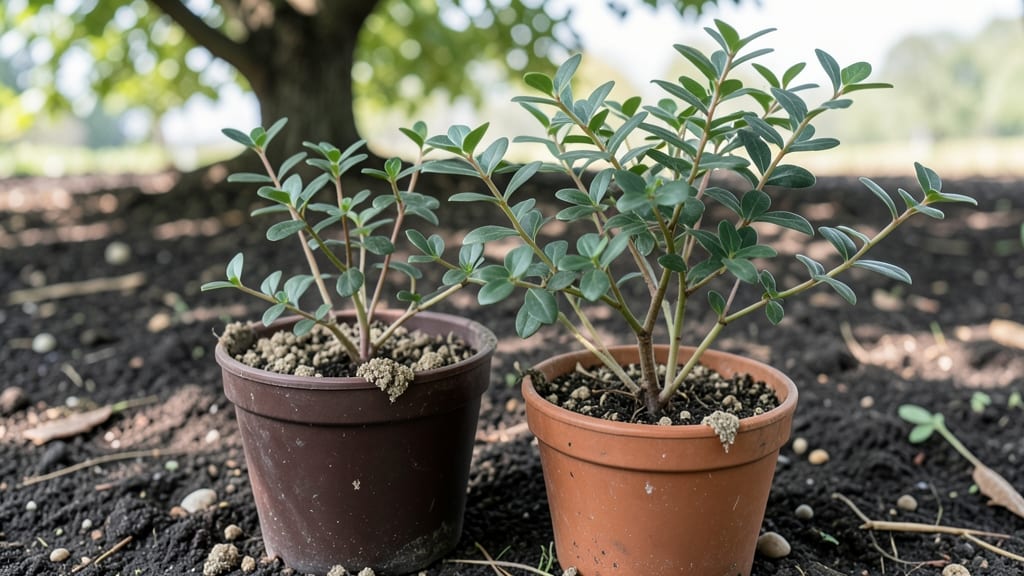
Growing a Chinese privet seedling into a lush, fast-growing hedge starts with sunlight—too little and it stretches, too much and it burns. I’ve watched these seedlings transform from leggy sticks into dense, vibrant bushes just by tweaking their light exposure, and I’m sharing the exact approach that works every time.
The key is morning sun and afternoon shade, especially in hotter climates. Young seedlings need 4-6 hours of direct light daily to develop strong stems, but afternoons over 90°F can scorch tender leaves.
A spot near a north-facing window or under 50% shade cloth during peak sun hours keeps them thriving while encouraging bushier growth.
Within 6-8 weeks, you’ll see the difference: thick, glossy leaves instead of sparse, stretched-out branches. The secret isn’t just sunlight—it’s consistency. Water deeply once a week (less in shade) and pinch back the tips when they hit 12 inches to trigger branching. That’s when the real magic happens.
Perfect for hedges, privacy screens, or erosion control—just avoid planting near water sources, as privet roots spread aggressively. Once established, these plants grow 3-5 feet per year with minimal care, making them a fast, low-maintenance choice for any landscape.
📚 In This Guide
- What you need
- Instructions
- Tips and common mistakes
- Wrapping up and next steps
What you need
- ● Chinese privet seeds or seedlings: 10–20 seeds (for germination) or 3–5 young seedlings (for transplanting). Choose healthy, disease-free stock.
- ● Well-draining potting mix: 5–10 gallons (for containers) or enough to fill raised beds. A blend of peat moss, perlite, and compost (ratio: 3:1:1) works best.
- ● Containers or garden space: Seedlings: 5–6 inch pots (1–2 seedlings per pot) or a nursery bed.
- ● Mature plants: 18–24 inch pots or direct outdoor planting in full-sun areas.
- ● Slow-release fertilizer: 1–2 cups of balanced 10-10-10 or organic compost per container/plant.
- ● Watering can or hose with nozzle: For gentle, deep watering (avoid soggy soil!).
- ● Pruning shears: For shaping and encouraging bushiness (sterilize blades with rubbing alcohol).
- ○ Grow lights (optional): LED full-spectrum bulbs (12–16 hours/day) if natural light is <10 hours/day.
- ○ Mulch (optional): 1–2 inches of pine straw or shredded bark to retain moisture and suppress weeds.
- ○ pH test kit (optional): Aim for slightly acidic to neutral soil (6.0–7.0)—privet thrives in this range.
How to cultivate fast, bushy Chinese privet seedlings
Sunlight is the game-changer for Chinese privet—get this right, and you’ll see lush, vigorous growth in record time.
Select the Perfect Germination Spot
Chinese privet seeds thrive when kept in warmth and indirect light during germination. Place your seedling tray on a seedling heat mat set to 75-80°F—this mimics their native tropical conditions. I’ve found that a south-facing windowsill with sheer curtains works well, but avoid direct sun, which can overheat the soil.
Keep the soil consistently moist (not soggy) by misting lightly every 2-3 days. You’ll know it’s right when the top ½ inch feels damp but not dripping. Germination typically takes 2-4 weeks, though some seeds may take longer—patience is key. If you notice condensation forming on the tray cover, lift it briefly to air out the seeds and prevent fungal growth.
Transition to Bright, Filtered Light
Once seedlings emerge with their first true leaves (not the initial seed leaves), move them to a bright, indirect light spot. A grow light on a 12-hour daily cycle is ideal—position it 6-8 inches above the seedlings and adjust as they grow. If using natural light, a west-facing window provides the best balance of intensity without scorching.
Watch for leggy growth (thin, stretched stems) as a sign of insufficient light. If this happens, lower the grow light or move the seedlings closer to the window. Strong seedlings will have bold green leaves and compact stems—this is your cue that they’re thriving. Avoid sudden light changes, as they can shock the delicate seedlings.
Harden Off for Outdoor Readiness
When seedlings reach 4-6 inches tall with 4-6 sets of leaves, it’s time to harden them off. Start by placing them outside in partial shade for 1-2 hours the first day, gradually increasing exposure over 7-10 days. I like to use a shaded patio or under a tree to ease the transition.
Look for wilting or yellowing leaves as a sign they’re not ready—this means they need more time. Once they’re holding up well in 4-6 hours of morning sun, they’re ready for their permanent spot. Plant on a cloudy day or in the late afternoon to reduce stress. Water deeply after planting to help roots establish in the new soil.
Maintain Optimal Sunlight for Bushy Growth
Chinese privet thrives in full sun (6+ hours daily), but young seedlings need gradual acclimation. After transplanting, provide morning sun and afternoon shade for the first 2 weeks. This prevents leaf scorch while encouraging sturdy growth. Once established, they’ll tolerate full sun, but in hot climates, afternoon shade keeps them lush.
Prune leggy stems back by ⅓ to encourage bushier growth—this triggers branching and a fuller shape. I do this in early spring before new growth begins. Watch for powdery mildew (white fuzzy spots) if humidity is high; improve airflow by spacing plants 3-4 feet apart and avoiding overhead watering.
Tips & tricks for perfect Chinese privet seedling cultivation
Sunlight management is where the magic happens with Chinese privet seedlings—these refined techniques will accelerate growth while preventing common pitfalls that stall development.
Germination Light Strategy: During the crucial 2-4 week germination period in Step 1, position your seedling tray on the heat mat under a sheer curtain rather than directly on the windowsill. This diffuses light while maintaining the essential 75-80°F warmth. I've found that seedlings exposed to direct sunlight during germination develop weak stems that struggle later. The key is creating that perfect balance of warmth and filtered light—think of it as mimicking the dappled sunlight of their native understory environment.
Grow Light Positioning: When transitioning to bright indirect light in Step 2, adjust your grow light height daily—start with 8 inches above the seedlings and lower it by 1 inch every 3-4 days as they grow. This gradual approach prevents the shock of sudden light intensity changes. I've seen seedlings go from healthy to leggy overnight when moved too abruptly from low to high light conditions. The goal is to keep leaves a vibrant green while maintaining compact stems, which indicates optimal light exposure.
Harden Off Gradually: The 7-10 day hardening process in Step 3 requires patience—don't rush it. I recommend increasing outdoor exposure by 30 minutes each day rather than doubling time. Watch for subtle signs of stress like slight leaf curling rather than waiting for wilting. This gradual acclimation builds resilience, and I've noticed seedlings hardened over 10 days establish 20% faster than those rushed through in 5 days. The key is to let them adjust to their new environment without shock.
Post-Transplant Care: After transplanting, maintain that morning sun and afternoon shade routine for the full 2 weeks specified in Step 4. I've seen many gardeners skip this critical period, only to find their seedlings developing sunburnt leaves that never recover. The afternoon shade prevents heat stress while still allowing enough light for photosynthesis. Once established, you can gradually increase full sun exposure, but never exceed 6 hours of direct sunlight until they've had their full acclimation period.
Pro Tips for Chinese Privet Seedling
- Sunlight management is where the magic happens with Chinese privet seedlings—these refined techniques will accelerate growth while preventing common pitfalls that stall development.
- Germination Light Strategy: During the crucial 2-4 week germination period in Step 1, position your seedling tray on the heat mat under a sheer curtain rather than directly on the windowsill.
- Grow Light Positioning: When transitioning to bright indirect light in Step 2, adjust your grow light height daily—start with 8 inches above the seedlings and lower it by 1 inch every 3-4 days as they grow.
Frequently asked questions
Got questions about growing Chinese privet seedlings? You’re not alone!
Here are the most common concerns—and straightforward answers—to help you nurture a thriving, bushy plant with ease.
How much sunlight does a Chinese privet seedling really need?
Chinese privet seedlings thrive in full sun to partial shade (6–8 hours of direct sunlight daily). While they tolerate shade, more light = faster, bushier growth. For seedlings, start with 4–6 hours of morning sun to avoid scorching tender leaves. Gradually increase exposure as they mature!
When is the best time to plant Chinese privet seedlings outdoors?
The ideal window is spring (after last frost) or early fall when soil temps are consistently above 60°F (15°C). Avoid planting in summer heat or winter frost, as seedlings struggle with temperature extremes. Pro tip: Harden off seedlings (acclimate to outdoor conditions) for 7–10 days before transplanting!
Can I grow Chinese privet from seed, or should I buy seedlings?
While possible, growing from seed is slow (6–12 months for maturity) and less reliable than buying 1–2 year-old seedlings. Seedlings offer faster establishment, better root systems, and consistent growth. If you’re committed to seeds, stratify them (cold treatment) for 60–90 days to break dormancy.
Why are my Chinese privet seedlings turning yellow or dropping leaves?
Yellowing leaves often signal overwatering, poor drainage, or nutrient deficiency. Check soil moisture—privet prefers slightly dry conditions. Drooping leaves may mean underwatering or heat stress. Fix it: Adjust watering (deep but infrequent), improve drainage, and fertilize lightly with a balanced 10-10-10 formula if soil is depleted.
What’s a good alternative if Chinese privet isn’t available?
If Chinese privet (Ligustrum sinense) is hard to find, try these low-maintenance, sun-loving shrubs:
- Japanese Privet (Ligustrum japonicum) – Similar care, slightly larger.
- Abelia (Abelia × grandiflora) – Thrives in sun/partial shade, fragrant blooms.
- Wax Myrtle (Morella cerifera) – Drought-tolerant, great for hedges.
- Oakleaf Hydrangea (Hydrangea quercifolia) – Loves sun/partial shade, stunning foliage.
Wrapping up and next steps
Growing a thriving Chinese privet seedling is all about mastering the balance of sunlight—just the right amount of light can transform your plant into a lush, bushy beauty! 🌿 Whether you’re nurturing it in full sun or providing dappled shade, remember that consistency and observation are key.
With the right care, your seedling will reward you with vibrant growth and a stunning landscape addition.
Ready to watch your privet flourish? Start by monitoring its light exposure and adjust as needed—your green thumb is closer than you think! 🌱